

EU proposes power market revamp to blunt price spikes
The EU proposals also aim to push gas out of Europe's energy mix faster, while supporting the investments in renewable energy needed to quit Russian fossil fuels and meet climate change goals. They allow countries to launch support schemes for energy storage and "demand response", meaning consumers are paid to adapt their power use to balance the power grid.
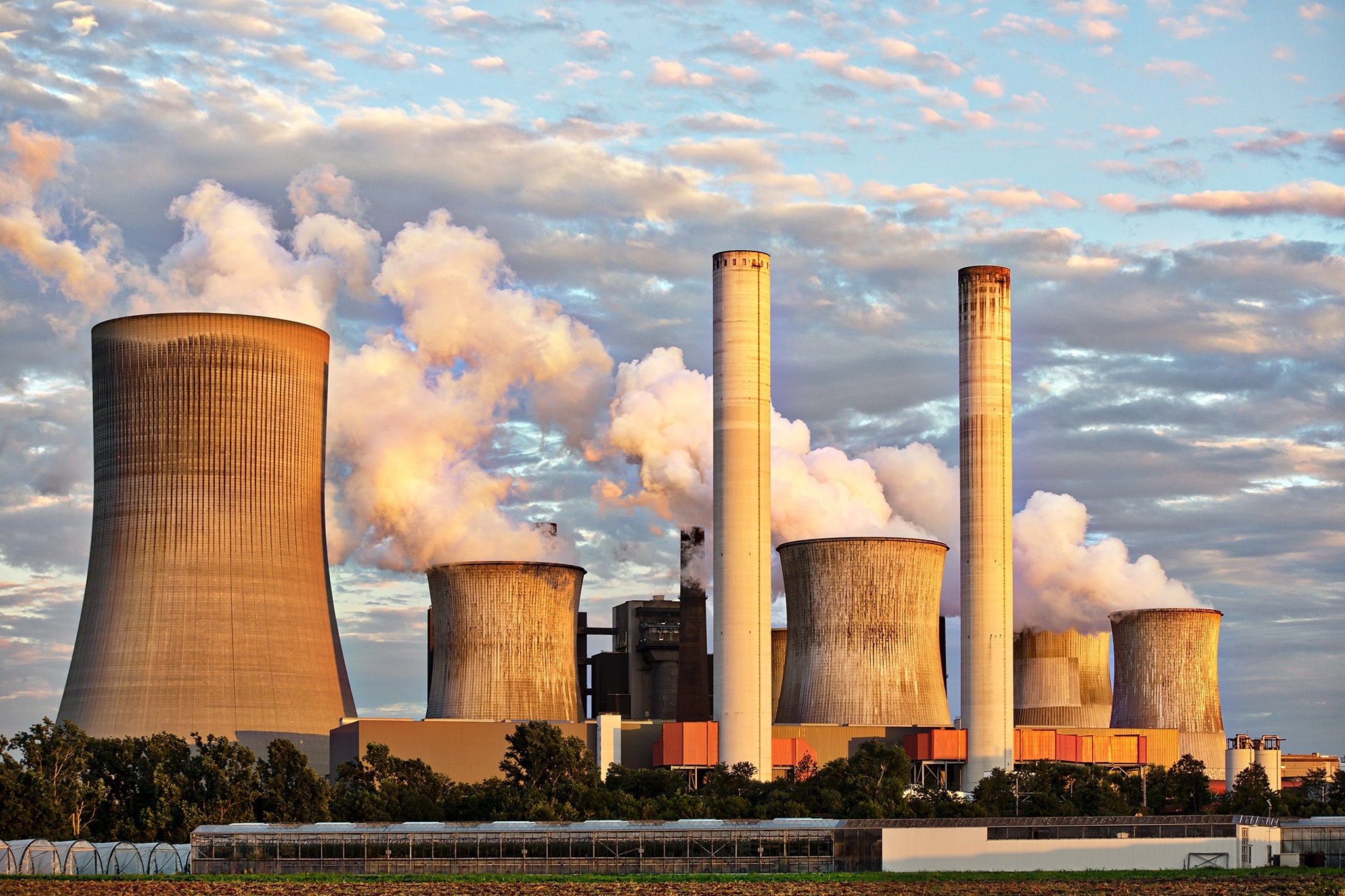
The European Commission proposed a revamp of Europe's electricity market rules on Tuesday, to try to increase the use of fixed-price power contracts, shield consumers from price spikes and speed up the shift to renewable energy. The European Union said last year it would overhaul its electricity market after cuts to Russian gas supplies following Moscow's invasion of Ukraine drove European power prices to record highs, forcing industries to close and hiking household bills.
The Commission's proposals on Tuesday included incentives for contracts that lock in stable, long-term power prices, to make consumers' electricity bills less exposed to short-term swings in fossil fuel prices. For example, EU countries' state support for new investments in wind, solar, hydropower, geothermal and nuclear electricity must be done through a two-way contract for difference (CfD). CfDs pay generators a fixed "strike price" for their electricity, regardless of the price on short-term energy markets.
Countries would also need to offer state guarantees to encourage power purchase agreements - another type of long-term contract to buy electricity directly from a generator. If energy prices spike to extreme levels, the EU said governments would be allowed to temporarily fix the price for a share of consumers' electricity.
Other proposals would improve consumer protections. Bill-payers would gain the right to request fixed-price contracts from large electricity suppliers, and countries would be obliged to protect vulnerable consumers from being cut off by suppliers if they cannot pay their electricity bills.
After soaring energy prices led to insolvencies and forced governments to prop up cash-strapped companies this winter, the proposals require countries to appoint a "supplier of last resort" so consumers have a back-up if their energy supplier fails. The EU proposals also aim to push gas out of Europe's energy mix faster, while supporting the investments in renewable energy needed to quit Russian fossil fuels and meet climate change goals.
They allow countries to launch support schemes for energy storage and "demand response", meaning consumers are paid to adapt their power use to balance the power grid. This would reduce the need to rely on gas plants to balance the grid. EU countries and the European Parliament must negotiate and approve the reforms, with some pushing for a final deal this year.
After initially pitching the revamp last year as way to decouple gas and power prices, the Commission has opted for scaled-back changes and retained the EU's current method of setting prices in wholesale energy markets. Industry groups and countries including Denmark, Germany and Latvia had said major changes could deter investors, while states including Greece sought a more radical redesign to stop gas prices triggering electricity price spikes.
A French energy ministry source said on Tuesday the EU proposals aligned with measures sought by France, including CfDs for investments in new and existing nuclear power plants.


 Google News