

Euro zone bond yields tick higher as central banks hike rates
Euro zone yields, particularly on shorter-dated bonds, have been approaching levels last seen in March, before a banking crisis in the U.S and Switzerland caused them to plunge. Germany's 2-year yield hit 3.235% on Wednesday, its highest since March 9, after the British inflation data reminded global investors that the fight against price rises is far from over.
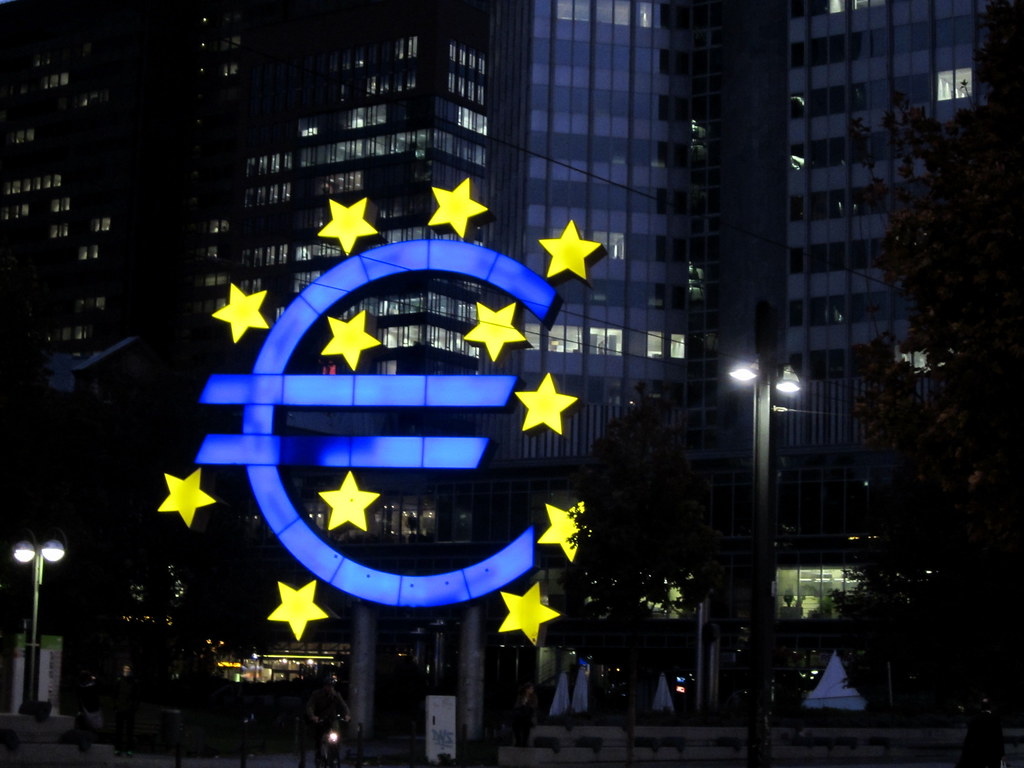
Euro zone government bond yields edged up on Thursday as investors digested more monetary tightening from central banks outside the euro area. The Bank of England raised rates by a bigger-than-expected half a percentage point and said there had been "significant" news suggesting British inflation would take longer to fall.
The Swiss National Bank and Norges Bank also tightened their policy, suggesting they could do more. Germany's 10-year bond yield, the euro zone's benchmark, was 1.5 bps higher at 2.44%.
The German 2-year bond yield, which is highly sensitive to changes in interest rate expectations, was up 3.5 bps at 3.22%. Data on Wednesday showed British inflation failed to fall as expected in May, instead holding at 8.7%. The data sent yields on 2-year British bonds, or Gilts, to their highest since 2008.
Italy's 10-year bond yield was up 3 bps at 4.08%. It is seen as the benchmark for the more indebted countries in the euro zone. Yields were largely unmoved by testimony from U.S. Federal Reserve Chair Jerome Powell in front of Congress on Wednesday, in which he said two more 25 bp rate hikes by the end of the year "is a pretty good guess" of what will happen.
The Fed has hiked rates by 500 bps since March 2022 to a range of 5% to 5.25%. Euro zone yields, particularly on shorter-dated bonds, have been approaching levels last seen in March, before a banking crisis in the U.S and Switzerland caused them to plunge.
Germany's 2-year yield hit 3.235% on Wednesday, its highest since March 9, after the British inflation data reminded global investors that the fight against price rises is far from over. Traders expect the European Central Bank to raise rates to a peak of around 4% by December, according to market pricing on Thursday, from the current 3.5% level.
The closely watched gap between Italian and German 10-year yields widened slightly to 162 bps. Last week it hit its tightest level since April 1, below 150 bps. In a busy day for markets, investors will hear from ECB officials Fabio Panetta and Luis de Guindos, as well as more Congressional testimony from Powell and other Fed officials.


 Google News