

Training for National Decision-Makers on Financing Decent Work in EAC Partner States
Ms. Caroline Khamati Mugalla, Director of the ILO Country Office for the United Republic of Tanzania, Burundi, Kenya, Rwanda, Uganda, and the EAC, emphasized the importance of promoting decent work.
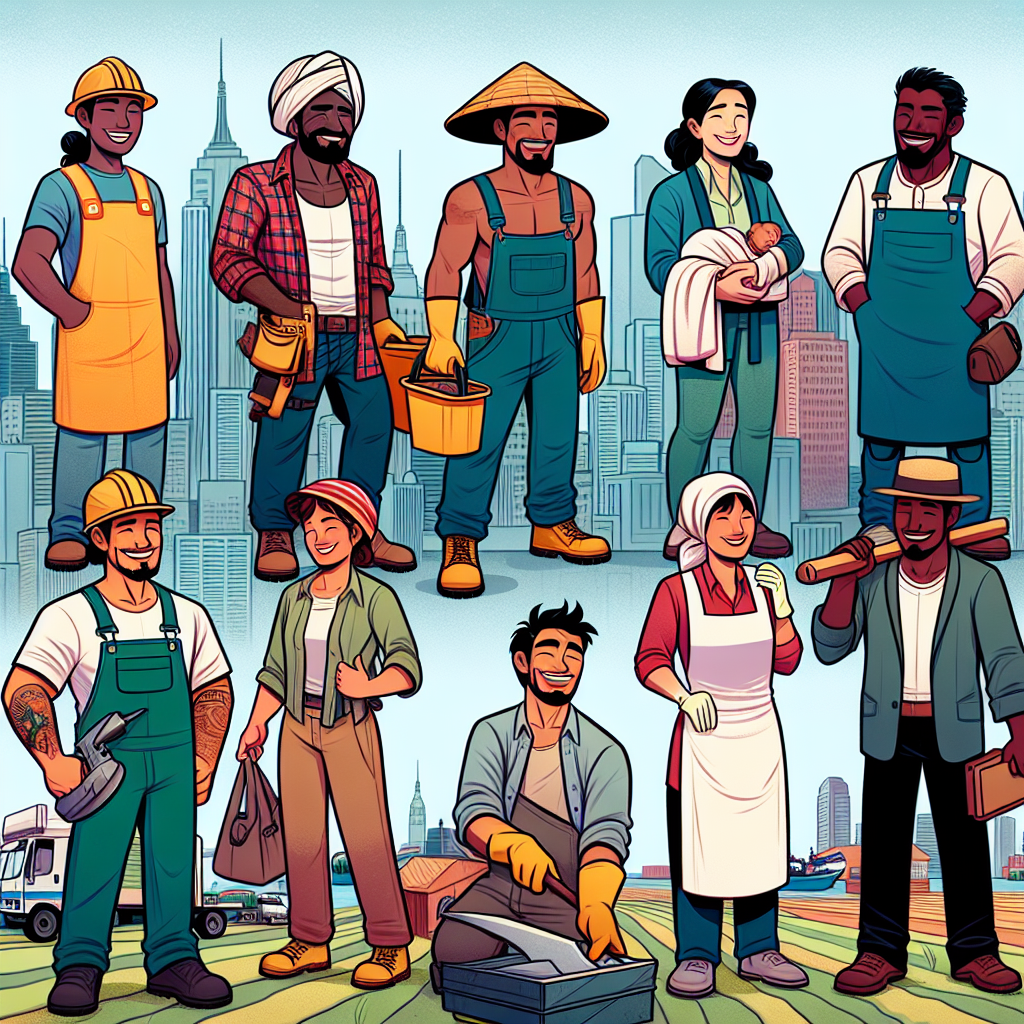
The training aimed at developing a common understanding among national decision-makers from seven East African Community (EAC) Partner States (Democratic Republic of Congo, Rwanda, Burundi, Kenya, Uganda, South Sudan, and the United Republic of Tanzania) on financing decent work. Objectives included addressing challenges in building decent work in Africa, identifying benefits of public expenditures on decent work, providing technical guidance for policymakers, developing customizable models, and creating national roadmaps for improving decent work financing.
The ILO Mandate on Decent Work and the Role of Public Finances
Ms. Caroline Khamati Mugalla, Director of the ILO Country Office for the United Republic of Tanzania, Burundi, Kenya, Rwanda, Uganda, and the EAC, emphasized the importance of promoting decent work. This commitment, reaffirmed under the Abidjan Declaration (2019), focuses on advancing social justice and shaping the future of work in Africa.
With ILO support, many countries have prioritized employment and social protection in their national development plans and policies. Despite this progress, challenges remain in creating decent work opportunities for all. The COVID-19 pandemic has exacerbated these challenges, straining development financing, labor markets, incomes, and social protection systems, thereby threatening the achievement of Agenda 2030 objectives as poverty levels rise.
Integrating the Decent Work Agenda into national financing strategies is anticipated, yet mainstreaming decent work policies into budgets is complex due to the cross-cutting nature of employment and social protection. This training aimed to help governments and stakeholders understand the unique aspects of decent work budgets and implement creative, context-specific solutions.
Training Methodology and Conclusions
Day 1:
Introduction to Concepts: Mr. Jealous Chirove and Mrs. Jasmina Papa introduced international concepts of decent work and social protection, focusing on global and African contexts.
Session on Returns of Financing Decent Work: Mr. Carlos Galian discussed the macro, state, household, and individual returns of financing decent work and social protection.
Days 2-3:
Group Sessions: Participants examined social protection budgets, their classifications, and practical implementation.
Technical Presentations:
Mrs. Sally Torbert from the International Budget Partnership presented on budget reliability, transparency, and reporting.
Mr. Ian Hawkesworth from the IMF discussed performance-based budgeting.
Day 4:
Challenges in Classifying Employment-related Public Expenditures: Mr. Mauricio Dierckxsens presented on the difficulties in classifying and applying employment-related public expenditures.
Group Work: Participants worked on classifying, estimating, and analyzing employment-related public expenditures, with insights from regional experts Mr. Morris Tayebwa and Mrs. Alice Karara.
Day 5:
Action Planning: Groups defined actions for better design, allocation, monitoring, and evaluation of public expenditure on decent work over the next two years.
Key Insights and Recommendations
Current Funding Levels: EAC Partner States generally allocate a small share of their GDP to decent work and social protection, highlighting the need for increased funding.
Advocacy and Resource Mobilization: Participants recommended enhanced collective advocacy efforts to increase budgetary allocations for social protection programs and develop suitable financing strategies for decent work.
Challenges in Budget Integration: Key challenges include lack of clarity in budget allocations, fragmented implementation, weak coordination, and low transparency and accountability of public finances.
Capacity Building: Strengthening the capacity of ministries, agencies, and stakeholders involved in decent work is essential.
Regional Cooperation: EAC Partner States would benefit from shared standards, guidelines, best practices, and collective advocacy for increased social protection funding to address common challenges.
These insights can serve as benchmarks for improving the systems of Partner States, ensuring that decent work and social protection are effectively integrated and adequately funded.


 Google News