

Breaking the Glass Ceiling: Gender Equality in Aviation Faces Persistent Challenges
The aviation industry remains male-dominated, with women underrepresented in key technical and leadership roles. The ILO's report "Women and Aviation: Quality Jobs, Attraction, and Retention" highlights ongoing gender disparities, including barriers to recruitment, retention, and career progression for women. While initiatives like the 25by2025 campaign and Amy Johnson Flying Initiative are positive steps, more must be done to achieve true gender equality in aviation. Addressing harassment, improving training, and ensuring equal pay are critical to creating an inclusive and dynamic aviation workforce.
 CoE-EDP, VisionRI
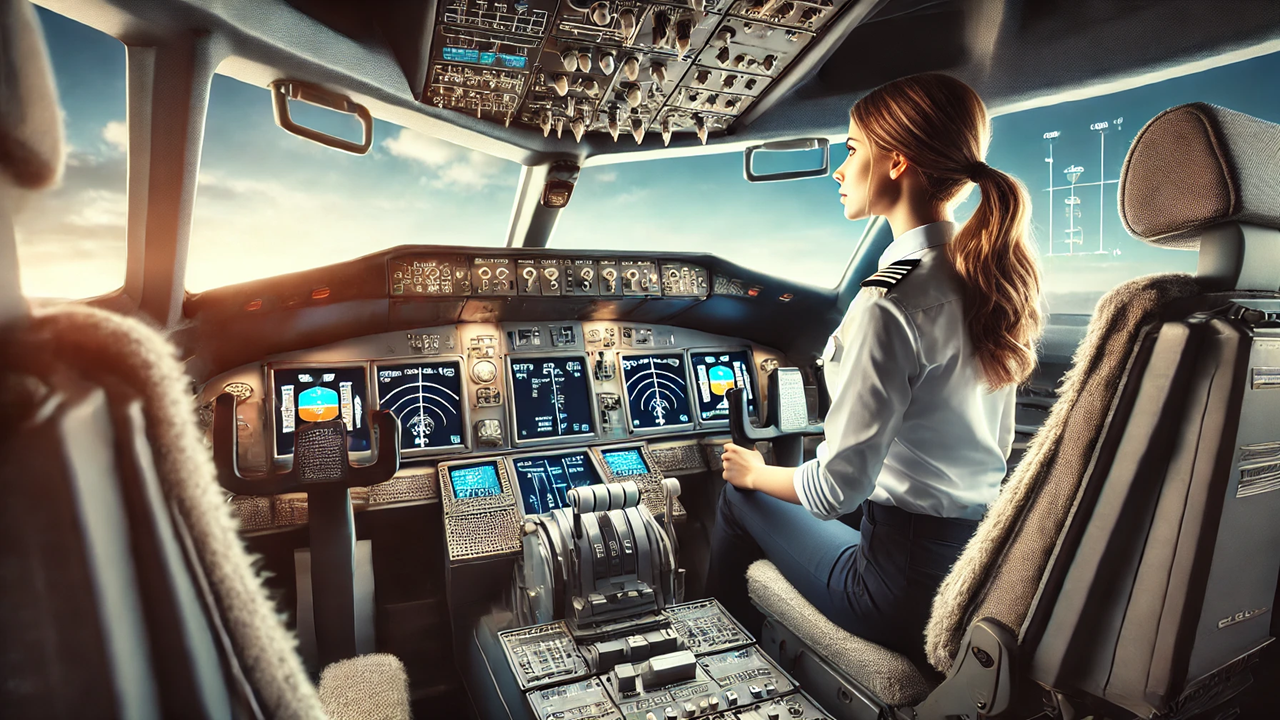
Civil Aviation: The Journey to Gender Equality
In a rapidly expanding global aviation industry, the path toward gender equality remains challenging. Although women have been involved in aviation since its early days, they continue to be underrepresented in many key roles. The International Labour Organization's (ILO) working paper titled "Women and Aviation: Quality Jobs, Attraction, and Retention" sheds light on the persistent gender disparities in the aviation sector. Despite some progress, civil aviation remains dominated by men, particularly in technical and leadership positions. As the demand for aviation professionals grows, so does the need to address gender inequalities and create more inclusive work environments for women.
Historical Foundations and Modern-Day Gender Disparities
Historically, women have been part of the aviation industry, starting with Elise Raymonde de Laroche, the first woman pilot, in 1910. However, their roles have traditionally been limited to less technical and leadership-driven positions. While women make up the majority of cabin crew, the cockpit and maintenance hangars remain largely male domains. The gender disparity in civil aviation is striking: only about 5% of pilots are women, and even fewer hold leadership roles in airlines or aviation authorities.
The paper emphasizes that these gender gaps are deeply rooted in stereotypes. For example, society has long associated piloting with masculinity, viewing it as a profession requiring physical strength and risk tolerance—qualities historically attributed to men. Meanwhile, roles like flight attendants have been deemed more suitable for women due to their association with caregiving. This occupational segregation has created significant hurdles for women seeking to enter or advance in more technical roles.
Challenges in Recruitment, Retention, and Career Development
Attracting and retaining women in aviation is another key challenge. Many women face barriers such as high training costs, lack of role models, and persistent stereotypes that deter them from pursuing aviation careers. Training programs are expensive, with pilot training costing tens of thousands of dollars, and few financial assistance programs are in place to support women interested in aviation.
Even when women overcome these initial hurdles, they often encounter additional obstacles in the workplace. Harassment, pay disparities, and limited access to leadership roles make it difficult for women to thrive in the sector. According to the report, many women are forced to take career breaks to manage family responsibilities, a factor that disproportionately affects their career progression compared to men.
The working paper highlights the example of the Amy Johnson Flying Initiative launched by EasyJet in 2015, which aimed to increase the number of women pilots from 6% to 12%. Such initiatives are a positive step forward, but they represent only a small part of the broader effort needed to address the systemic challenges faced by women in aviation.
Efforts to Promote Gender Equality in Aviation
To tackle these issues, several organizations are taking action. The International Civil Aviation Organization (ICAO) has launched the Air Transport Gender Equality Initiative, aimed at increasing the pool of women in the aviation sector and advancing their careers. Similarly, the International Air Transport Association (IATA) has initiated the 25by2025 campaign, a voluntary effort by airlines to increase the number of women in senior positions and underrepresented jobs like pilots and engineers.
Moreover, the ILO emphasizes the importance of decent work opportunities and occupational safety for women in aviation. Harassment and violence in the workplace remain significant barriers to gender equality, particularly in roles where women work closely with the public, such as cabin crew. The ILO's Violence and Harassment Convention (No. 190) is a key international standard aimed at eliminating violence and harassment in the world of work, which is critical for the aviation industry.
The paper concludes that achieving gender equality in aviation will require coordinated efforts from governments, international organizations, airlines, and workers' unions. The path forward involves changing perceptions, improving training and support for women, ensuring equal pay, and addressing workplace harassment. It's not just about opening the doors to women but also creating an environment where they can succeed and thrive.
A Long Way to Go
While there have been some positive steps toward achieving gender equality in aviation, the journey is far from over. As the aviation sector continues to grow, addressing these challenges is crucial not only for women's empowerment but also for the overall sustainability and innovation of the industry. By actively promoting diversity and inclusion, the aviation industry can unlock the full potential of women and create a more dynamic and equitable workforce.
Gender equality in civil aviation remains a challenge, but the potential for change is clear. Through dedicated initiatives, improved policies, and a shift in societal attitudes, the aviation industry can make significant strides toward closing the gender gap. Women's representation in aviation is not just about fairness—it's about ensuring that the industry benefits from diverse perspectives and talents. As the report "Women and Aviation: Quality Jobs, Attraction, and Retention" illustrates, there is a need for continuous efforts to attract, retain, and promote women in all areas of aviation.
- FIRST PUBLISHED IN:
- Devdiscourse


 Google News