

UK's Coal Exit Highlights India's Energy Dilemma
The UK's closure of its last coal power plant signifies a major shift towards cleaner energy, but India faces a complex challenge. Despite progress in renewable energy, India's significant energy needs mean coal will remain part of its energy mix for decades. Experts emphasize the need for international support to enable a just transition.
- Country:
- India
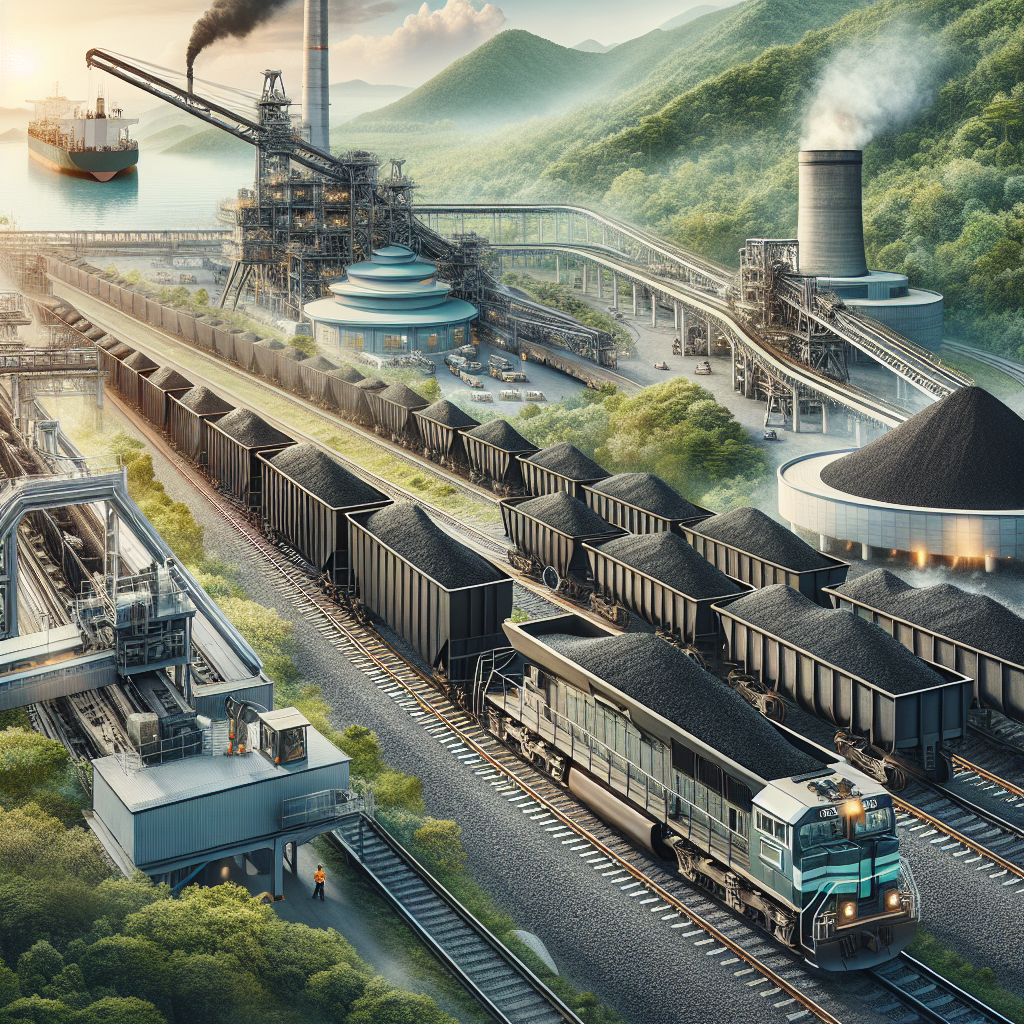
The UK's decision to close its last coal power plant marks a historic transition towards a cleaner energy future, becoming the first G7 nation to do so. Policy experts, however, indicate that coal will continue to be integral to India's energy mix, given its status as a developing country with immense energy needs.
Global energy think tank Ember reports that more than a third of OECD countries are now coal-free, with most expected to eliminate coal power by 2030 to meet global climate goals. The International Energy Agency's 'Net Zero by 2050' report underscores this, recommending developed countries phase out unabated coal by 2030 and developing countries by 2040.
Despite the promise of renewable energy, India's reliance on coal remains strong. Experts like Sunil Dahiya and Harjeet Singh highlight the costs and challenges associated with coal, urging for technological and financial support from the international community to facilitate a just energy transition.
ALSO READ
-
World Bank Backs Serbia’s Gas Network With $600M for Decade of Energy Upgrades
-
Cleaner Kitchens, Polluted Skies: Hidden Health Cost of India’s Electricity Boom
-
Clean Cooking Takes Centre Stage as Africa Pushes to Protect Nearly a Billion Lives
-
AfDB and Brazil Deepen Mali Cooperation on Food, Jobs and Energy
-
Japan-Backed ILO Projects Help 23,000 Workers Gain Rights and Fight Child Labour


 Google News