

UNDP Report Highlights Urgent Need for Action as 455 Million Poor People Live in Conflict Zones
“Conflicts have intensified and multiplied in recent years, leading to unprecedented casualties and displacing millions,” stated Achim Steiner, UNDP Administrator.
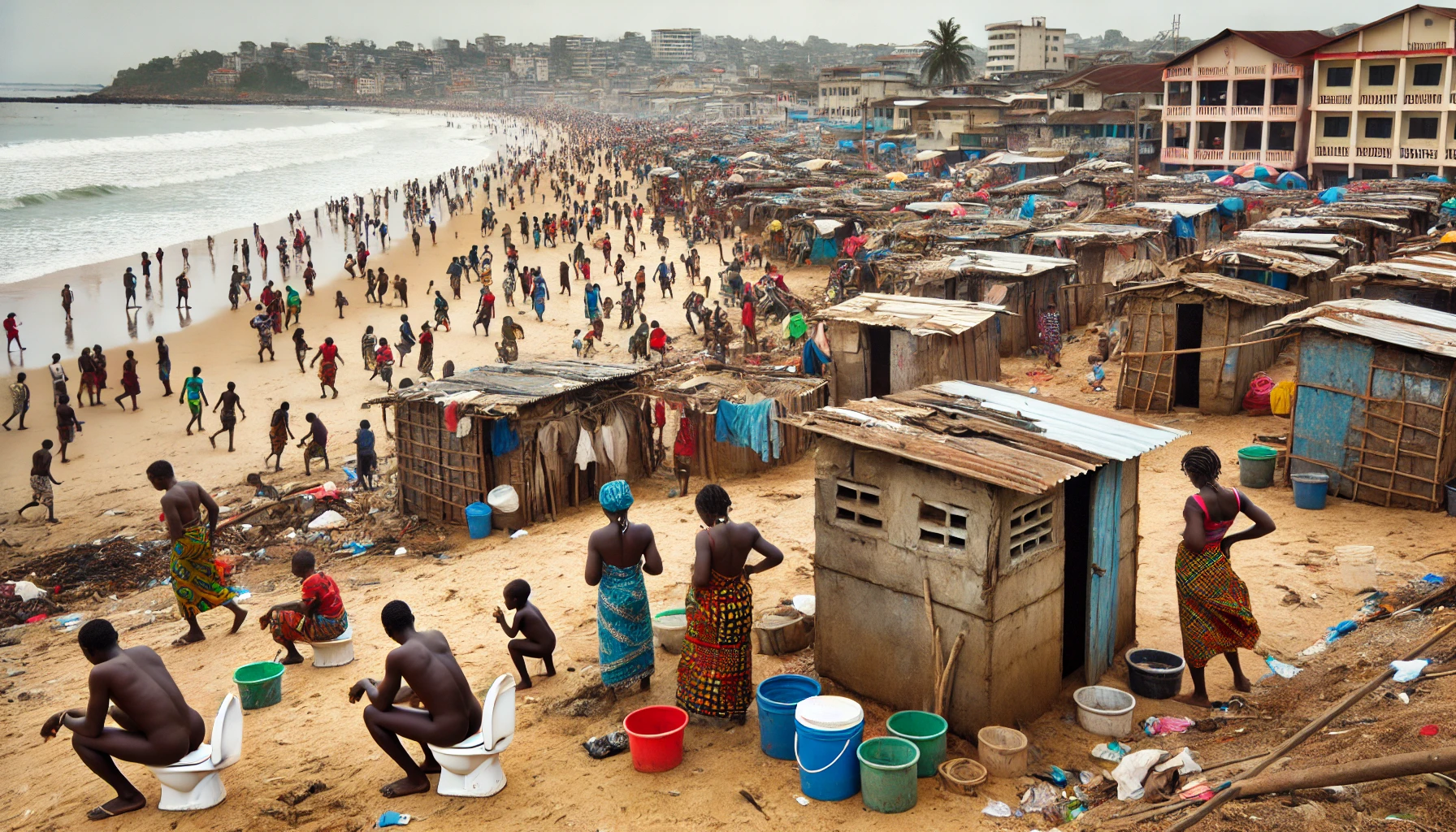
A staggering 455 million of the world's poor are trapped in countries ravaged by violent conflict, significantly hindering global efforts to reduce poverty, according to the latest update of the Multidimensional Poverty Index (MPI) released today. This report, jointly published by the United Nations Development Programme (UNDP) and the Oxford Poverty and Human Development Initiative (OPHI) at the University of Oxford, features comprehensive statistical research on multidimensional poverty for 112 countries and 6.3 billion people, alongside an in-depth analysis of the intricate relationship between conflict and poverty.
The 2024 MPI report reveals that 1.1 billion people worldwide live in acute poverty, with 40 per cent of them residing in nations plagued by war, fragility, and/or low levels of peacefulness, as classified by at least one of three widely recognized conflict datasets. Due to insufficient data, the MPI is calculated over a ten-year span (2012-2023) to provide a comparable index of global poverty levels and trends.
This year's analysis matched poverty data with the conflict status of each country, yielding new insights into the overlap between poverty and conflict. It also highlights the challenges of gathering data in conflict-affected regions, which likely leads to an underestimation of multidimensional poverty. Nevertheless, the available data underscore the catastrophic effects of conflict on poverty alleviation.
The Devastating Impact of Conflict on Poverty
"Conflicts have intensified and multiplied in recent years, leading to unprecedented casualties and displacing millions," stated Achim Steiner, UNDP Administrator. "Our research reveals that nearly half a billion people living in multidimensional poverty are in conflict zones. We must expedite efforts to support them, including specialized development interventions to break the cycle of poverty and crisis."
The report shows that countries at war face higher deprivations across all ten indicators of multidimensional poverty. For example, over one in four poor people in conflict-affected areas lacks access to electricity, compared to just over one in twenty in more stable regions. Other critical disparities include:
Child Education: 17.7% in conflict settings vs. 4.4% in peaceful areas
Nutrition: 20.8% in conflict zones vs. 7.2% in non-conflict areas
Child Mortality: 8% in conflict-affected countries vs. 1.1% in more stable regions
Case Study: Afghanistan
The report includes a comprehensive case study on Afghanistan, where an additional 5.3 million individuals fell into multidimensional poverty during the turbulent years from 2015/16 to 2022/23. The findings for 2022/23 are alarming, indicating that nearly two-thirds of Afghans, or 64.9 percent, live in poverty.
The Need for Urgent Action
Sabina Alkire, Director of OPHI, emphasized the critical nature of these findings, stating, "This study presents the first measured global analysis at this scale of how multidimensionally poor people are impacted in conflict settings. The level of poverty in these areas is profoundly higher. In countries at war, over one in three people are poor (34.8 percent), compared to one in nine (10.9 percent) in non-conflict-affected countries. The slow rate of poverty reduction in conflict zones illustrates that the most vulnerable populations are being left behind."
Key Statistics on Global Poverty
In addition to the urgent call for action regarding conflict-related poverty, the report presents further insights into global poverty:
Children Under 18: More than half (584 million) of the 1.1 billion poor people are children, with 27.9 percent of children living in poverty, compared to 13.5 percent of adults.
Lack of Basic Needs: Approximately 828 million people lack adequate sanitation, 886 million lack adequate housing, and 998 million lack cooking fuel.
Household Undernourishment: More than 637 million poor individuals live in households with at least one undernourished person, with 272 million in South Asia and 256 million in Sub-Saharan Africa.
Poverty Trends: Out of 86 countries with harmonized data, 76 have significantly reduced poverty according to MPI values in at least one time period.
Since its launch in 2010, the global MPI has served as a crucial analytical tool for identifying the poorest of the poor and revealing poverty patterns both within and across countries. Policymakers can utilize this data to effectively target resources and design policies that address the needs of the most vulnerable populations.
To explore more about the 2024 Multidimensional Poverty Index, including specific data on children living in poverty and the patterns of poverty across different regions, visit hdr.undp.org and ophi.org.uk.
The insights from this report highlight an urgent call for collaboration between governments, organizations, and communities to address the intertwined issues of conflict and poverty, ensuring no one is left behind in the quest for sustainable development and peace.
ALSO READ
-
ISO and UNDP Launch Global Standard to Turn Sustainability Promises Into Action
-
Free AI Training Opens Doors for African Public Officials to Build Smarter Services
-
Italy and UN Partners Set Out Rome’s Growing Role as Global Development Finance Hub
-
KSrelief and UNDP Launch $5M Lifeline for Ukraine’s War-Affected Hospitals
-
Aid Under Pressure: Global Leaders Call for Local Control and Recovery From Day One


 Google News