

Building a More Inclusive Future: Tackling Gender Bias in AI
“AI systems, learning from data filled with stereotypes, often reflect and reinforce gender biases,” explains Zinnya del Villar, a leading expert in responsible AI.
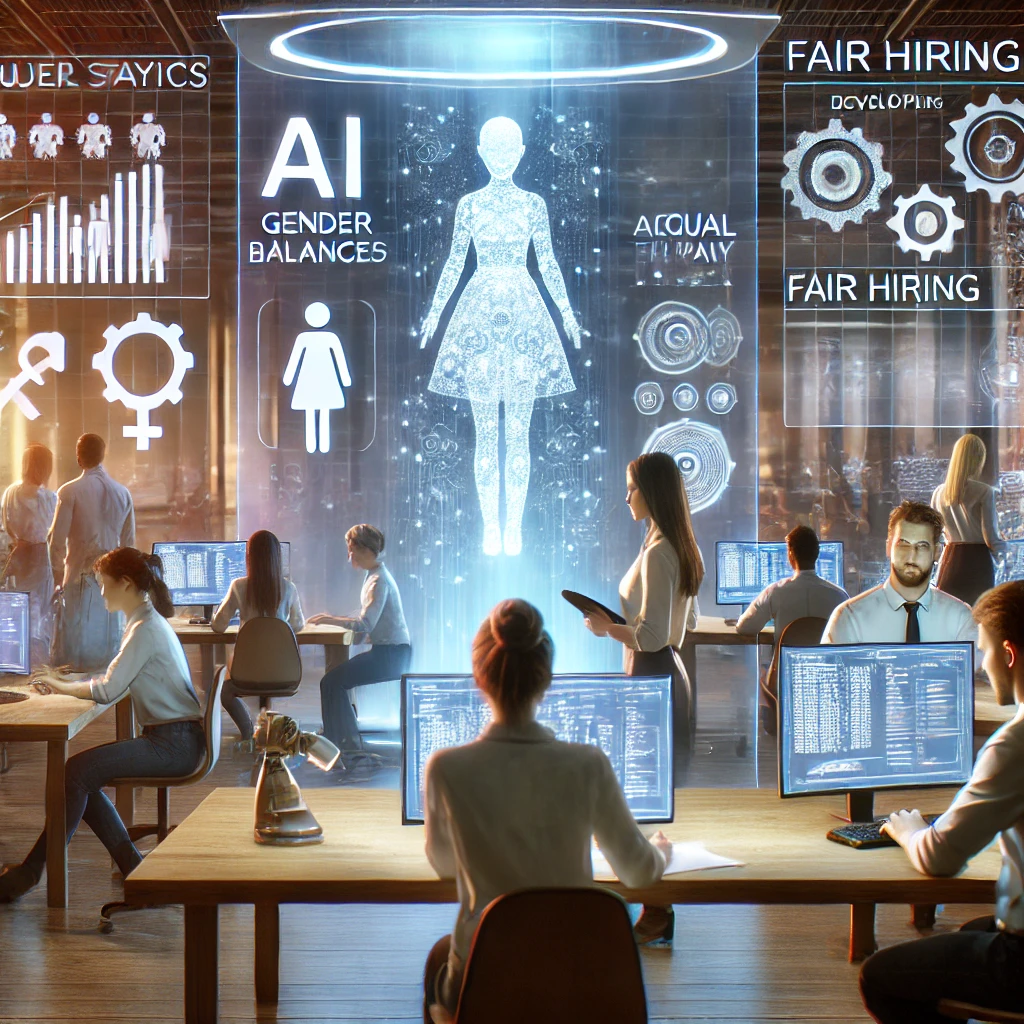
Artificial intelligence (AI) is reshaping industries and driving innovation around the globe, yet it often mirrors the biases and inequalities found in society. Gender bias in AI is particularly concerning, as it reinforces discriminatory norms and limits opportunities for women and girls. As AI increasingly influences critical decisions—from hiring to healthcare—it is essential to address these biases to ensure ethical and inclusive technological development.
What is AI Gender Bias?
"AI systems, learning from data filled with stereotypes, often reflect and reinforce gender biases," explains Zinnya del Villar, a leading expert in responsible AI. "These biases can restrict opportunities and diversity, particularly in decision-making roles, hiring practices, loan approvals, and legal judgments."
AI, at its core, relies on data—vast datasets that train machine learning models to perform complex tasks. When these datasets carry historical biases, such as stereotypical job associations, AI systems internalize and perpetuate these patterns. This phenomenon, known as AI gender bias, occurs when algorithms treat individuals differently based on gender due to the biased information they were trained on.
Why Does AI Gender Bias Matter?
The consequences of gender bias in AI are far-reaching and often have serious implications in everyday life. For instance, healthcare AI models may focus predominantly on male symptoms, leading to misdiagnoses or suboptimal treatment for women. Voice assistants that default to female voices perpetuate stereotypes that women are more suited to support or service roles. Language models, including those powering widely used chatbots, frequently associate men with high-status professions such as scientists, while linking women to caregiving roles.
There are also high-profile cases of AI systems failing women entirely. In 2018, Amazon had to retire an AI recruitment tool that systematically favored male candidates. Facial recognition technology from various companies has struggled to accurately identify women, particularly women of color, resulting in mistaken identifications with serious implications for law enforcement and public safety.
Reducing Gender Bias in AI
Addressing gender bias in AI requires both systemic changes and conscious effort throughout the development process. Del Villar outlines several critical steps:
- Diverse and Inclusive Data: "Ensuring that training data represents all genders, races, and communities is essential," she says. This means actively sourcing diverse datasets and removing historical biases that associate specific roles or attributes with a particular gender.
- Diverse Development Teams: "A mix of perspectives reduces blind spots," del Villar adds. Diverse AI development teams can help identify and rectify biases before they become embedded in systems.
- Transparency and Ethical Frameworks: Transparency in algorithms and adopting ethical guidelines help maintain accountability and trust, ensuring that AI systems serve everyone equitably.
Using AI to Promote Gender Equality
While biased AI can perpetuate inequalities, ethical AI can also be a powerful force for good. Tools that analyze pay disparities have uncovered gender wage gaps, prompting reforms. In finance, AI-powered platforms have helped ensure fairer credit scoring for women entrepreneurs, increasing their access to loans and financial services. Educational platforms use AI to identify gender disparities in enrollment and participation, enabling targeted interventions.
AI also supports efforts to advance women's representation in leadership. By tracking gender imbalances in boardrooms and proposing evidence-based quotas, AI can guide organizations toward greater equity. It can also assist governments by identifying patterns of gender discrimination in laws and policies, helping draft more inclusive legislation.
AI for Safety and Justice
AI is playing a critical role in enhancing women's safety and combating digital abuse. Innovative tools like Botler.ai and the bSafe app provide women with resources to recognize and respond to harassment or unsafe situations. AI-driven content moderation algorithms help maintain safer digital environments by quickly identifying and removing harmful or non-consensual materials.
Five Steps to Inclusive AI
Del Villar highlights five key measures to ensure AI promotes equity rather than inequality:
- Train AI on diverse and representative data.
- Make algorithms transparent and accountable.
- Assemble inclusive development teams to bring varied perspectives.
- Establish and adhere to strong ethical frameworks.
- Incorporate gender-responsive policies throughout the AI lifecycle.
A Path Toward Ethical AI
By taking these steps, AI can become a catalyst for equality rather than a vehicle for bias. "AI holds incredible potential to advance gender equality if developed responsibly," del Villar concludes. "We have a collective responsibility to ensure that technology serves everyone fairly, empowering women and girls to fully participate in the opportunities AI creates."


 Google News