

Trump’s Tariffs: U.S. Economy on the Brink of Stagflation
President Trump's unveiling of substantial tariffs has shifted the U.S. economic landscape, sparking fears of stagflation. Analysts predict these changes could lead to a recession, likening the situation to economic downturns of the past. The Federal Reserve is grappling with potential rising inflation and slowing growth.
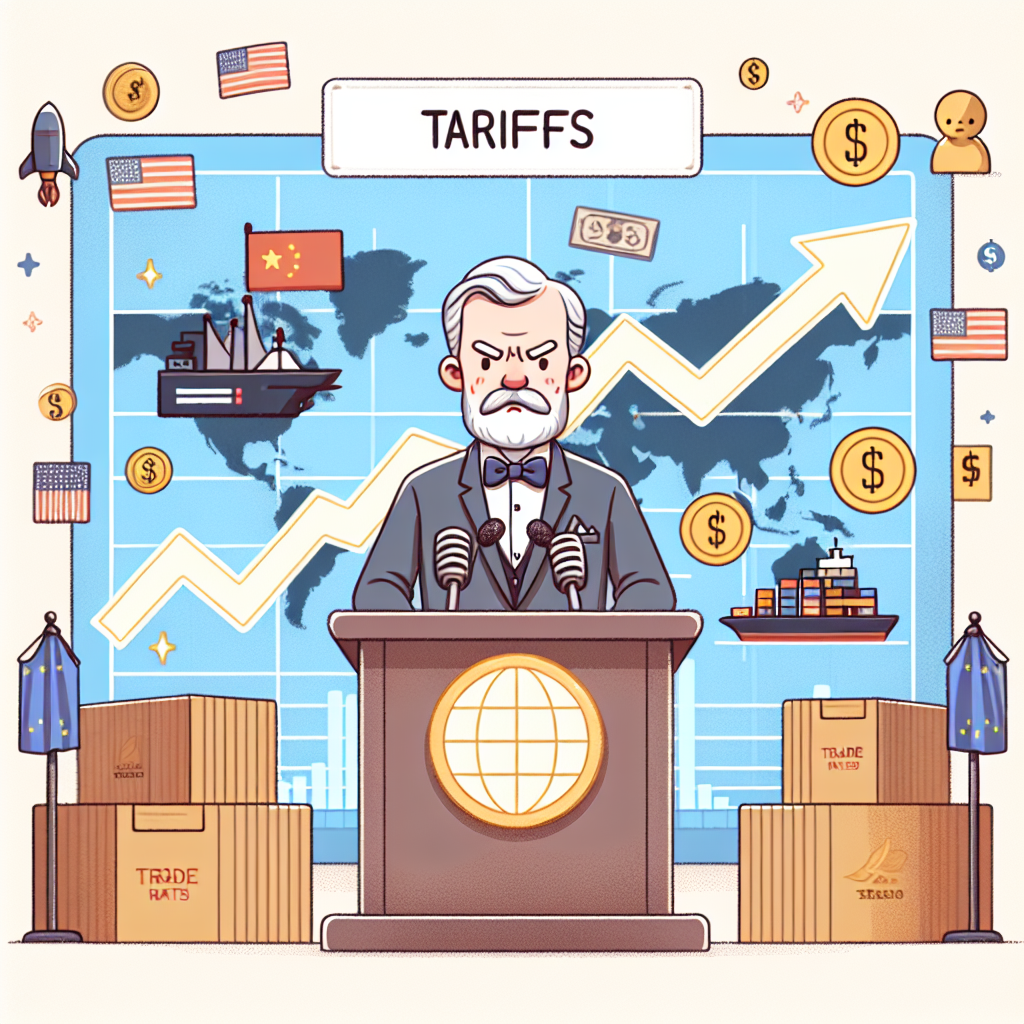
In a move that could redefine economic forecasts, President Trump has announced sweeping tariffs, with impacts that economists predict could reshape the U.S. economy. The levies, announced with much fanfare, could potentially spark a recession akin to the economic woes of the 1930s.
These tariffs, which reach up to 50% for countries like China, have prompted analysts to warn of an impending recession. The Federal Reserve, caught in a delicate balance, now faces the challenge of managing inflation, even as the specter of stagflation looms large in their strategic calculations.
The U.S. markets responded swiftly as the dollar and Treasury yields fell, with stock indexes tumbling. With uncertainty mounting, investors and the Federal Reserve are reassessing strategies, preparing to navigate through complex economic waters. The ripple effects could lead to significant shifts in U.S. economic policies.
ALSO READ
-
EU Firms Rethink Supply Chains as Geopolitical Risks Reshape Global Trade
-
Lee Jae Myung's Diplomatic Milestones: Balancing Amidst Global Tensions
-
Venezuelan Central Bank's Gold Transfer Nears Completion
-
Diplomatic Moves: Takaichi's UN Meeting with Trump
-
Trade War Chessboard: Agriculture, Energy, and Rare Earths in Focus


 Google News