

China's Agricultural Pivot: The End of U.S. Dominance
China is retaliating against the new U.S. tariffs by turning to alternative agricultural suppliers, particularly Brazil. This shift began during Trump's presidency and is now accelerating. The new Chinese tariffs and countermeasures against the U.S., especially on soybeans, signal a potential upset in existing trade dynamics.
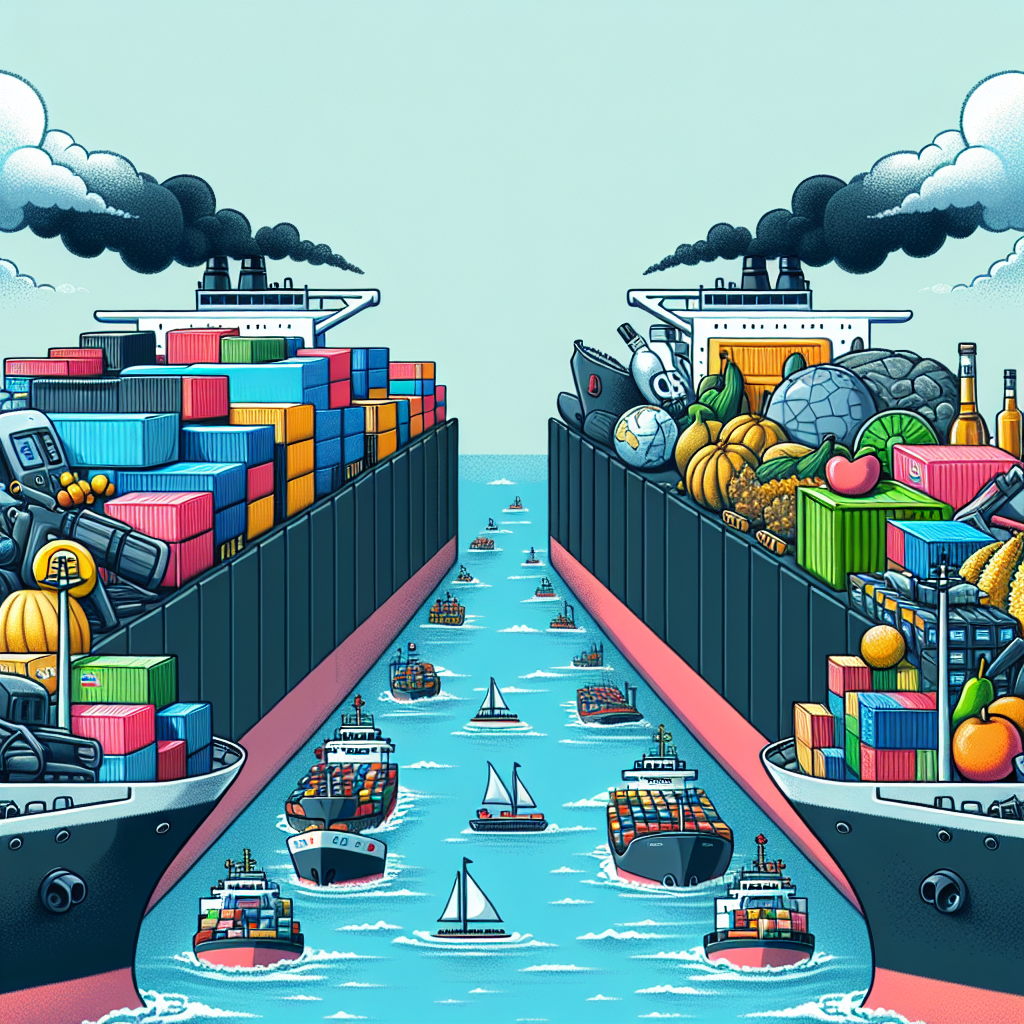
China's recent retaliation against U.S. tariffs is intensifying its search for alternative agricultural suppliers, notably in Brazil—a pivot that began under former President Donald Trump's trade wars. Beijing plans to impose an additional 34% duty on all U.S. goods, adding to the 10-15% tariffs imposed on $21 billion worth of agricultural trade back in March.
Analysts like Jack Scoville from Price Futures Group warn that these moves could cripple U.S. exports further, stating, "We're pissing off everybody. Where are we going to turn if we've slapped everybody with tariffs?" The ripple effects are already visible, with a notable dip in the most-active soybean contract prices on the Chicago Board of Trade.
This trade tension has redirected China's focus towards Brazil, capable of delivering record second-quarter soybean imports. Other countries stand to gain too, as China seeks reliable alternatives amid escalating trade tensions. This shift could redefine global agricultural trade, potentially sidelining U.S. suppliers.
ALSO READ
-
ILO Report Reveals How to Bring Social Security Within Reach of Informal Workers
-
WTO Sets Up Panel on EU Carbon Border Rules as Russia Challenges Restrictions
-
WHO Brings Global Experts Together to Strengthen Herbal Medicine Quality and Safety
-
Human Cost of Faster Work: Chinese Employees Weigh AI’s Promise Against Pay Fears
-
China's August Disasters Yield $5.38 Billion in Losses


 Google News