

India's Green Push: Legally Binding Emission Targets for Industries
India introduces its first compliance-based carbon market, proposing legally binding greenhouse gas emission targets for over 460 industrial units. The move aims to accelerate decarbonisation across sectors, including aluminium and steel, holding industries accountable under the Environment Protection Act, with penalties for non-compliance.
- Country:
- India
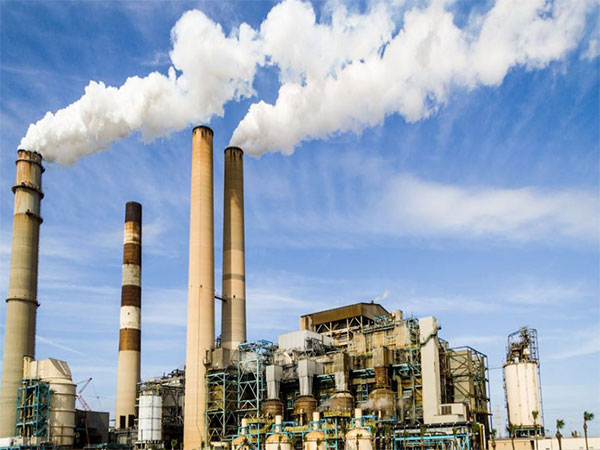
The Ministry of Environment has taken a significant step towards environmental accountability by issuing a draft notification that suggests legally binding greenhouse gas (GHG) emission targets for over 460 industrial units. This initiative marks India's entry into a compliance-based carbon market, a first of its kind for the nation.
Focused on reducing industrial emissions and promoting decarbonisation, the Greenhouse Gas Emission Intensity Target Rules, 2025, apply to critical sectors such as aluminium, iron and steel, and petroleum refining. Part of the broader Carbon Credit Trading Scheme (CCTS), 2023, industries are tasked with cutting GHG emissions per unit of output or purchasing carbon credits if they fall short.
If implemented, compliance will be mandatory, with penalties enforced under the Environment (Protection) Act, 1986, for failures to meet the targets. This move positions India as a proactive participant in global efforts to tackle climate change, holding industries accountable through enforceable environmental standards.
ALSO READ
-
Cleaner Kitchens, Polluted Skies: Hidden Health Cost of India’s Electricity Boom
-
Japan-Backed ILO Projects Help 23,000 Workers Gain Rights and Fight Child Labour
-
India's Delicate Balancing Act: Navigating Energy Security Amid Middle Eastern Tensions
-
India Gears Up for Glory: Asian Games 2026 Preview
-
India Defends Energy Policy Amidst Rising Tariff Threats from U.S.


 Google News