

The End of the Clay Kiln Era: Bangladesh's Pollution Battle
Bangladesh's plan to close thousands of clay kilns to reduce pollution risks leaving one million migrant workers jobless. Though the government promotes alternatives like concrete, workers fear losing their income. Calls are growing for support systems to aid displaced laborers during this green transition.
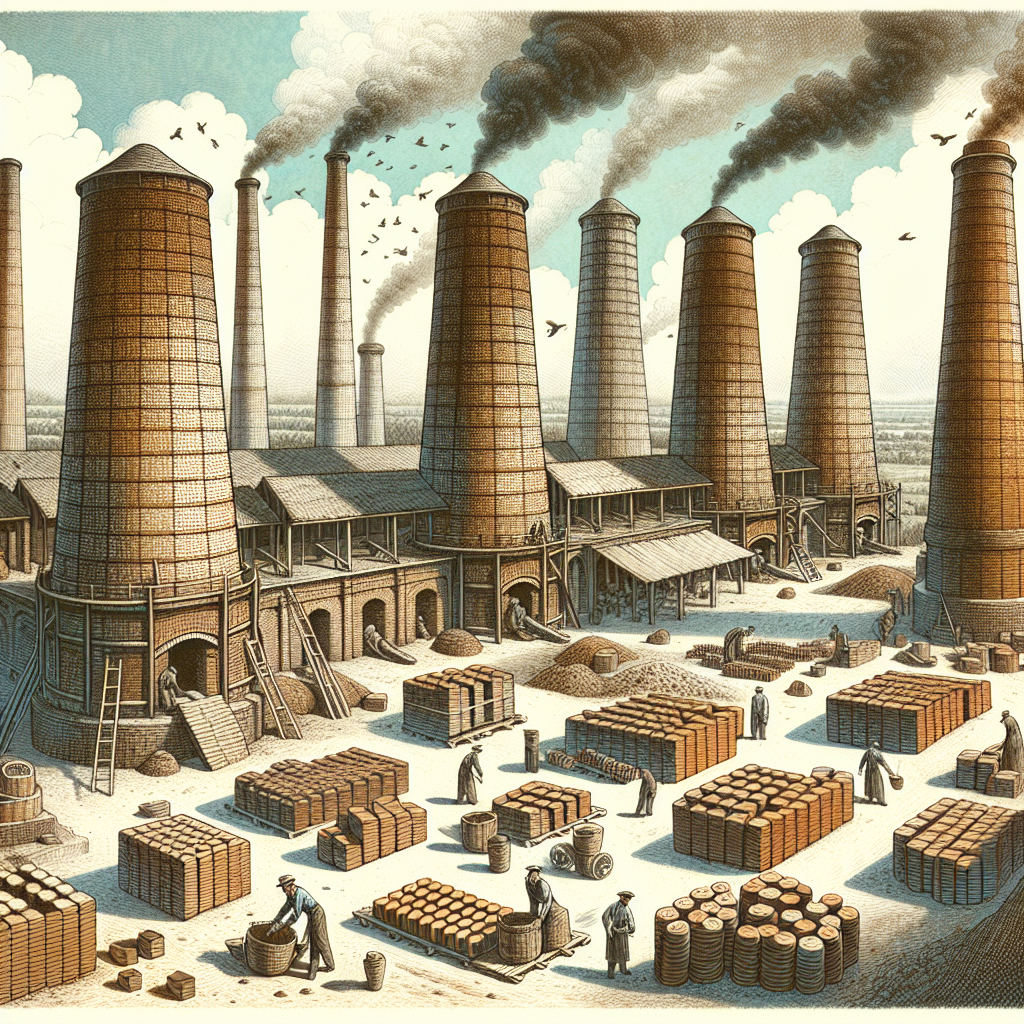
In Bangladesh, the government is targeting more than 8,000 clay kilns in an ambitious effort to curb air pollution, a move that has sparked concern among the workers who depend on these kilns for their livelihood.
The kilns, which operate throughout the dry season, employ a workforce of roughly one million individuals from across the country. These laborers, often involved in poorly paid and hazardous work, worry that shifts to more environmentally friendly materials such as concrete blocks will impact their income.
Economists and policy analysts emphasize the need for a supportive transition. As Bangladesh embraces sustainable practices, consideration for the socio-economic effects on displaced workers remains crucial.
ALSO READ
-
Bangladesh’s Deadliest Dengue Month Exposes the Cost of Gaps in Prevention and Hospital Capacity
-
Bangladesh Secures $100m ADB Loan to Help 40,000 Families Build Safer Homes
-
ADB Backs Bangladesh’s Power Upgrade With $200M for Growing Dhaka Communities
-
Bangladesh’s Job Market at a Crossroads as Rapid Growth Fails to Deliver Enough Employment
-
Supreme Court Seeks Centre's Response on West Bengal Woman's Alleged Deportation


 Google News