

G7 and IEA Tackle Energy Crisis Amid Middle East Tensions
The G7 energy ministers did not agree to release strategic oil reserves but asked the IEA to assess the situation. Oil prices have fluctuated due to Middle East tensions. European leaders are concerned about the energy crisis and the European Investment Bank plans to invest in energy infrastructure.
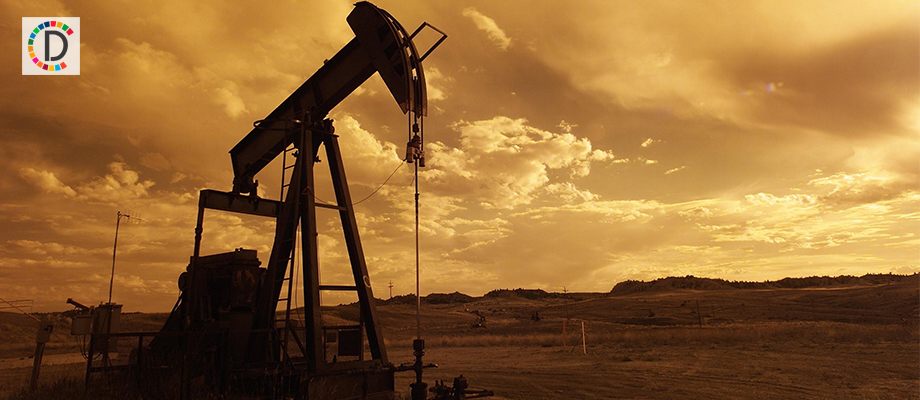
On Tuesday, G7 energy ministers refrained from releasing strategic oil reserves, opting instead to task the International Energy Agency (IEA) with evaluating the situation. The IEA, holding an emergency meeting, intends to analyze supply security and market conditions.
Oil prices witnessed significant shifts, soaring to four-year highs on Monday and dropping 11% on Tuesday following U.S. President Donald Trump's optimistic prediction regarding a resolution in the Middle East conflict. EU leaders are set to further deliberate energy prices during discussions with European heads of state.
European nations remain vigilant about avoiding a repeat of the 2022 energy crisis. The European Commission plans a substantial investment through the European Investment Bank to enhance energy infrastructure, aiming to diversify supply and stabilize prices.


 Google News