

Escalating Strikes: Iran Targets UAE Amidst Gulf Tensions
Iran launched retaliatory attacks on the United Arab Emirates, escalating tensions with the U.S. and its allies. The attacks follow U.S. and Israeli assaults on Iran, with critical global trade routes threatened. Energy prices surged, raising inflation concerns. Trump acknowledged prior warnings of potential Iranian retaliation but was reportedly surprised by the scope.
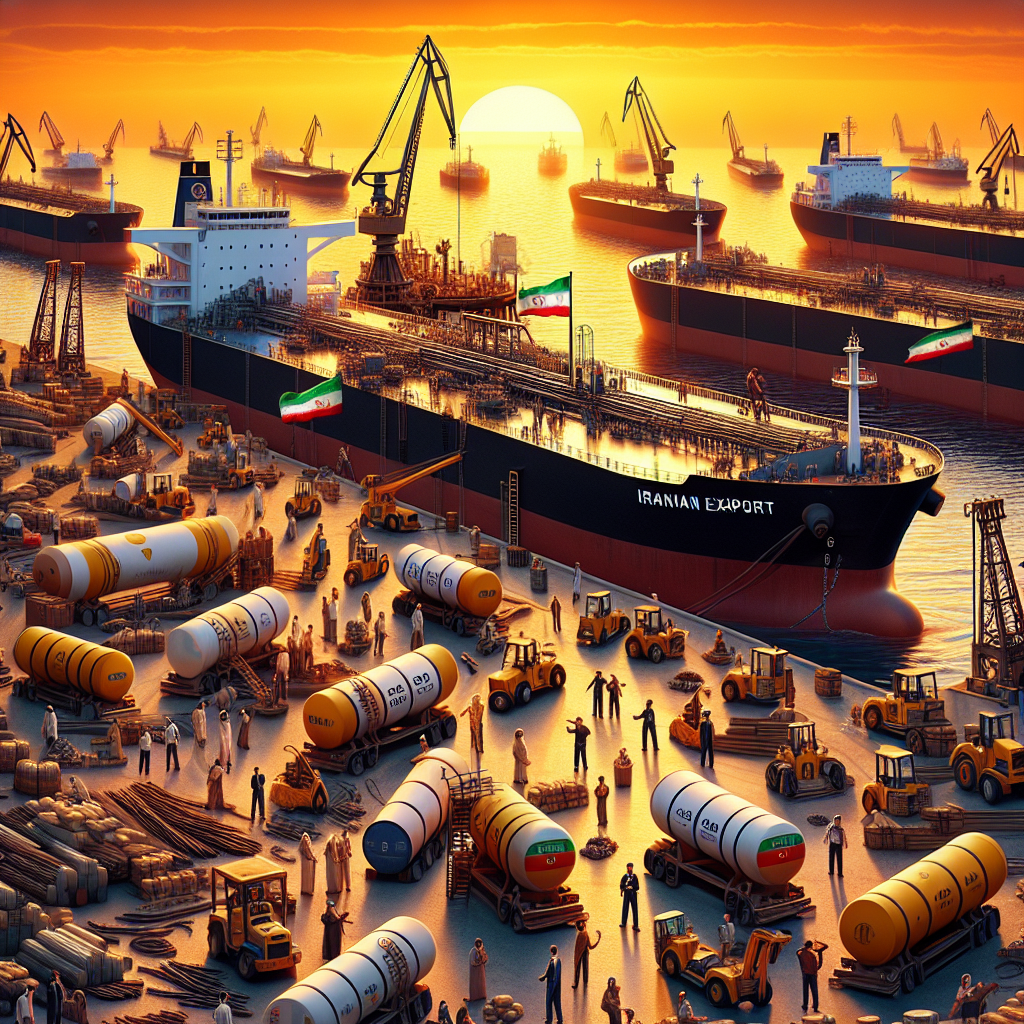
The escalating conflict between Iran and the United States and its allies took a new turn as Iran launched retaliatory attacks on the United Arab Emirates, marking an intensification of hostilities. The attacks highlight the potential for a broader regional confrontation and underscore the vulnerability of U.S. Gulf allies amidst ongoing tensions.
The Strait of Hormuz, a critical waterway for global oil supply, remains largely closed off, exacerbating fears of inflation as energy prices surge. Efforts to reopen the strait have met resistance, with U.S. allies rebuffing requests for assistance, which has further strained international relations and tested long-standing alliances.
President Trump, while acknowledging he had been warned about possible Iranian retaliation, expressed surprise at the extent of Iran's attacks on neighboring countries. The geopolitical unrest has prompted economic repercussions, including rising oil prices, which policy makers are closely monitoring due to their potential impact on inflation and global economic growth.


 Google News