

South Korea's Strategic Naphtha Move Amid Middle East Tensions
In response to Middle East tensions, South Korea is restricting naphtha exports and increasing financial support for petrochemical companies. Measures include a $1.01 billion boost to stabilize the industry and possible vehicle use restrictions. Energy security efforts extend to lifting limits on coal power and raising nuclear use.
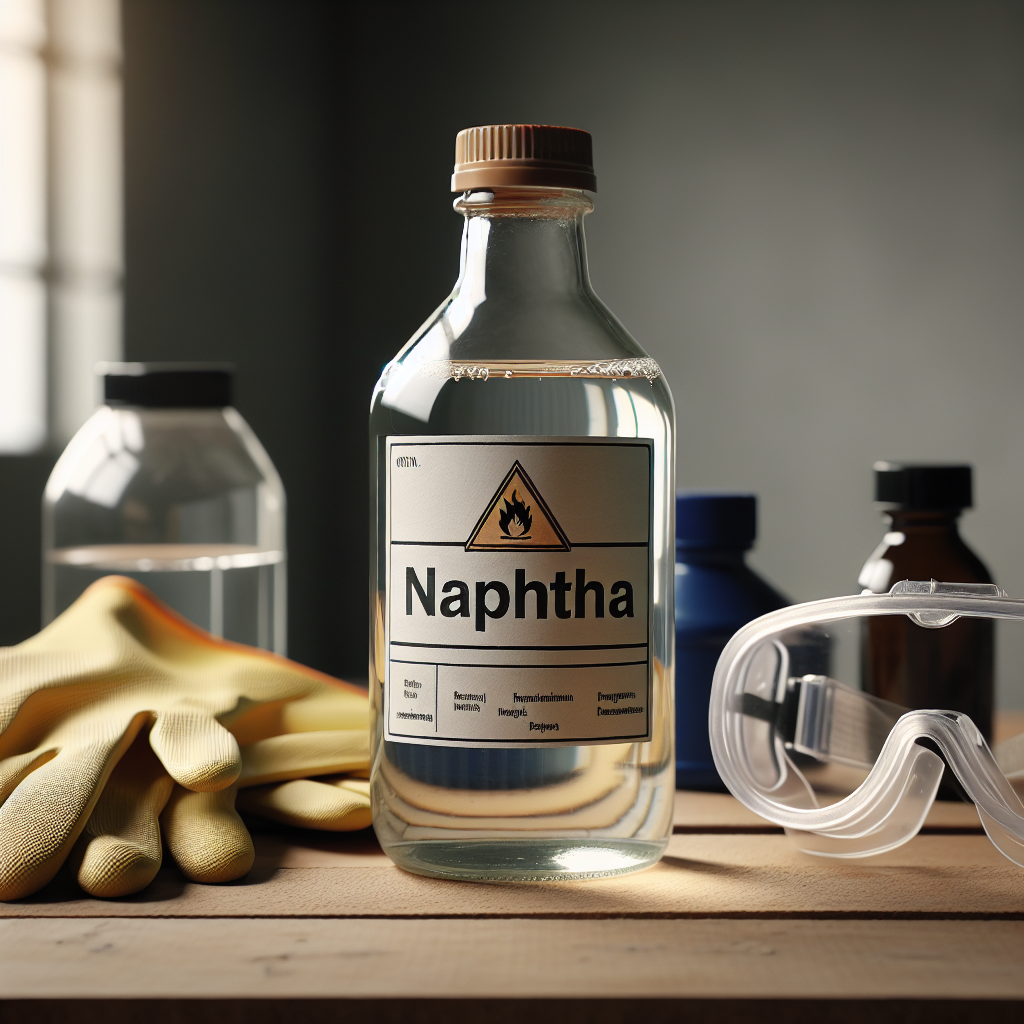
South Korea will limit naphtha exports and temporarily classify the feedstock as a supply-chain economic security item, Finance Minister Koo Yun-cheol announced, aiming to protect businesses and consumers from ongoing Middle East conflict ramifications.
To support impacted petrochemical companies, the government plans to inject 1.5 trillion won ($1.01 billion) in financial aid, focusing on alternative imports and support for high-risk economic items. In anticipation of prolonged Middle East tensions, President Lee Jae Myung advocated for contingency plans like vehicle usage restrictions, urging nationwide energy-saving strategies.
These efforts follow emergency measures such as implementing South Korea's first fuel price cap in nearly three decades and boosting monitoring of energy markets. As global oil prices rise due to disruptions in the Strait of Hormuz, the country has lifted coal power caps and increased nuclear reactor use to reduce oil and LNG dependency.
ALSO READ
-
Can Native Shrubs Help Stop Invasive Plants From Reclaiming Gangwon’s Riverbanks?
-
Lee Jae Myung's Diplomatic Milestones: Balancing Amidst Global Tensions
-
US-Korea Investment Talks Face Viability Concerns
-
Prospects of a New Summit: South Korean Optimism Amid Uncertainty
-
South Korean Stance on Middle East Conflict


 Google News