

Nuclear Backbone: Ukraine's Energy Resilience Amid War
Since the 2022 Russian invasion, nuclear power has become essential to Ukraine's energy grid, compensating for losses in thermal generation. Despite the occupation of major nuclear facilities, nuclear energy now provides around 70% of the country's electricity, highlighting increased dependence amidst infrastructural and strategic challenges.
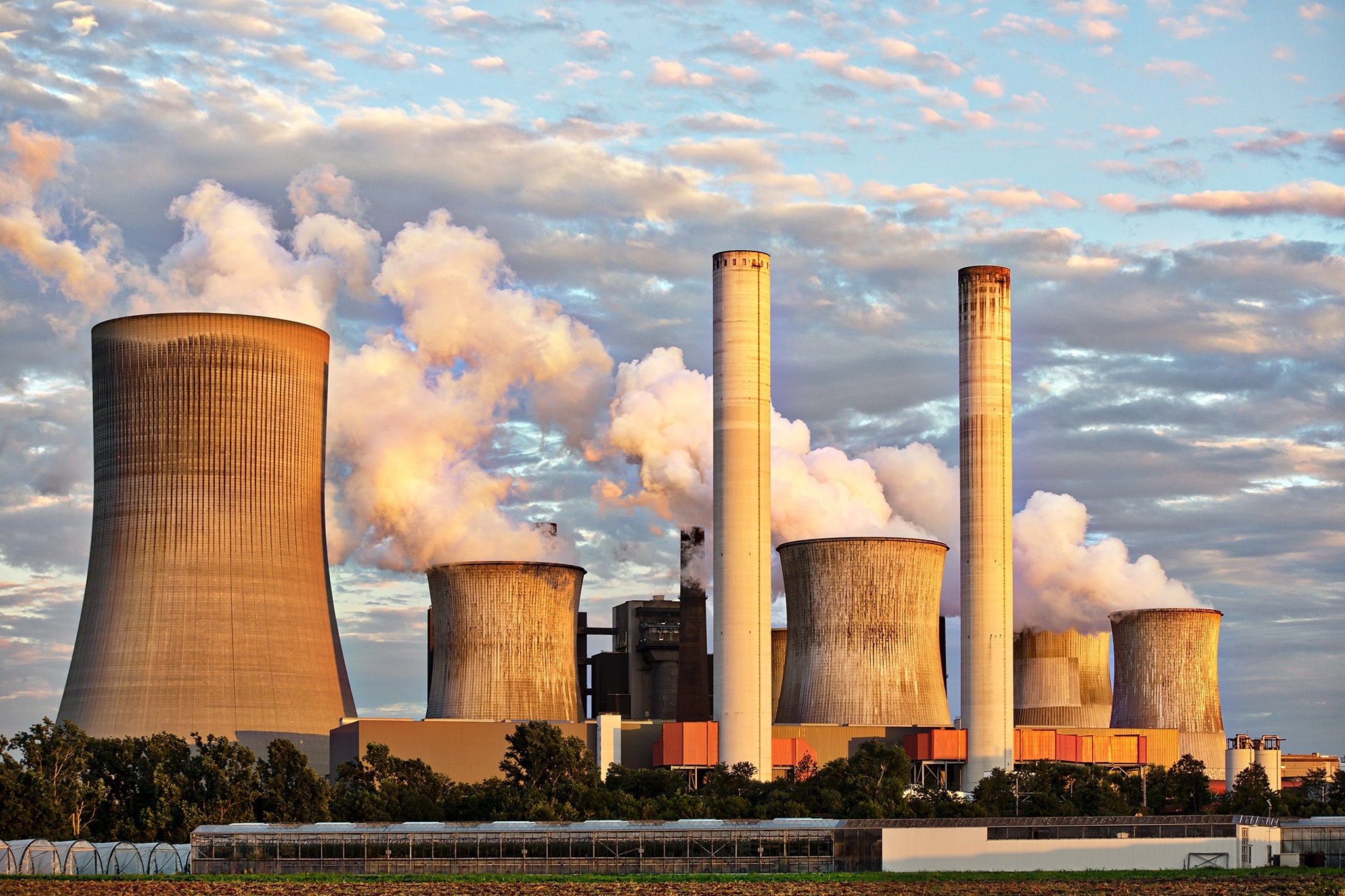
Nuclear power has emerged as the cornerstone of Ukraine's energy system since Russia's invasion in 2022. After successive airstrikes on thermal generation facilities, nuclear power stations stepped up to provide the baseload demand crucial for the country's electricity supply.
Initially, Ukraine managed four nuclear power plants housing 15 power units; however, the occupation and subsequent shutdown of the Zaporizhzhia plant, Europe's largest, have posed significant challenges. Despite the conflict, state-owned Energoatom reports that nuclear energy, which accounted for over half of Ukraine's electricity pre-war, has risen to cover up to 80% of current consumption due to the destruction of alternative sources.
Energoatom emphasizes the strategic importance of nuclear plants, especially as thermal generation's share dramatically decreased from 35%. The DiXi Group highlights the criticality and risk of this increased reliance. With attacks on essential infrastructure and energy plants, Ukraine's nuclear facilities face vulnerabilities but remain a vital energy backbone.


 Google News