

The Booming Rise of China's Pet Food Market
China's pet food market is experiencing a significant boost as local brands become more popular due to affordability and variety. This trend is impacting international brands as domestic companies innovate and expand their offerings while navigating safety concerns and regulatory challenges.
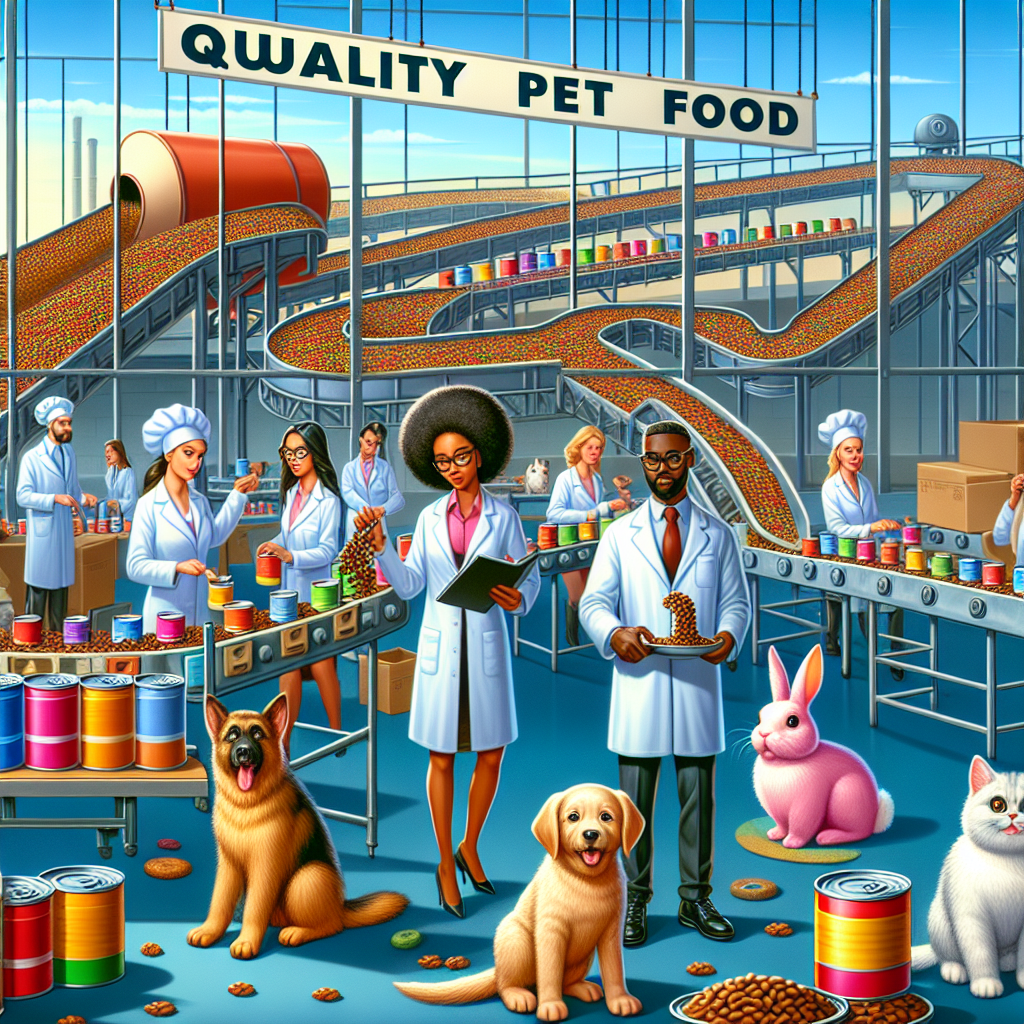
China's domestic pet food market is booming as local brands gain popularity for being affordable and offering a greater variety compared to Western counterparts. Liu Xin, a Beijing resident, spends $250 monthly on Chinese-branded pet meals for her terrier, citing freshness and choice as key reasons.
This trend is significantly affecting international brands like Orijen and Purina, with domestic giants such as Kweichow Moutai and Wens Foodstuff stepping into the market. As consumers tighten their budgets, local companies are focusing on premium ingredients and fresh options to entice pet lovers, while the market grows rapidly, reaching 1.9 million metric tons in 2025.
Despite local success, safety remains a concern due to low entry barriers and the lack of specific national standards for pet food. However, Mars' Royal Canin brand successfully retains its market dominance in China through effective localization and strategic partnerships within the pet industry.
ALSO READ
-
More Than Shorter Commute: How Compact Cities Can Help Migrant Workers Find Jobs
-
ILO Report Reveals How to Bring Social Security Within Reach of Informal Workers
-
WTO Sets Up Panel on EU Carbon Border Rules as Russia Challenges Restrictions
-
WHO Brings Global Experts Together to Strengthen Herbal Medicine Quality and Safety
-
Human Cost of Faster Work: Chinese Employees Weigh AI’s Promise Against Pay Fears


 Google News