

OPEC+ Navigates Oil Output Amidst Gulf Disruptions
OPEC+ is poised to marginally increase oil production, despite ongoing disruptions from the U.S.-Iran conflict. Seven member countries plan to raise output targets, although the hike may not translate into actual supplies until the conflict resolves. The war has led to significant export constraints, especially from key Gulf producers.
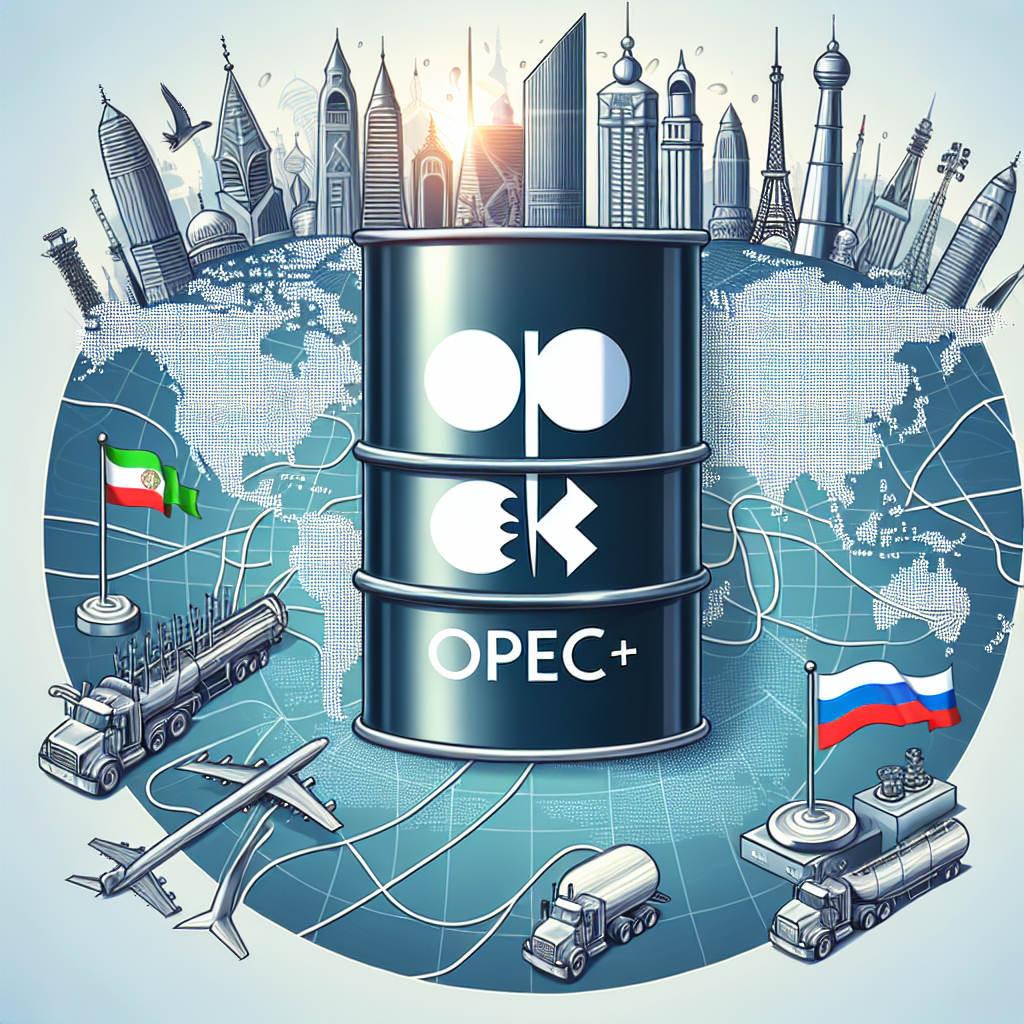
OPEC+ plans a modest output increase to signal readiness for higher supply, contingent on the end of the U.S.-Iran conflict. Sunday's meeting, involving key players like Saudi Arabia and Russia, marks the group's commitment despite the UAE's recent departure.
The conflict, ignited on February 28, has closed the Strait of Hormuz, a vital oil artery, crippling exports from leading producers such as Saudi Arabia and Iraq. These geopolitical tensions have driven oil prices to a historic high, exacerbating fears of fuel shortages and inflation.
While OPEC+ members averaged 35.06 million barrels per day in March, output constraints saw a drop of 7.70 million from February. The market remains wary, with analysts predicting prolonged recovery times even after any resolution to the current crisis.


 Google News