

Oil companies bleed Rs 30,000 cr as fuel prices held steady despite global energy shock
Indias state-run oil marketing companies have bled an estimated Rs 30,000 crore in losses since mid-March as they kept fuel and LPG supplies flowing without raising retail prices despite facing an energy disruption that is bigger than all previous crises combined.
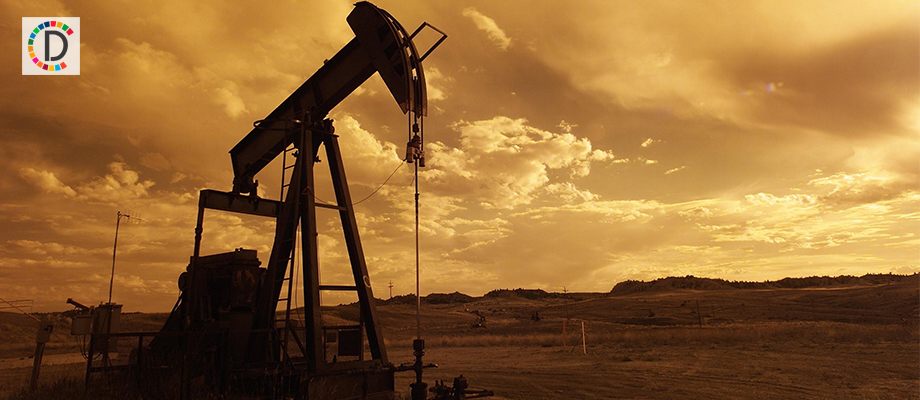
India's state-run oil marketing companies have bled an estimated Rs 30,000 crore in losses since mid-March as they kept fuel and LPG supplies flowing without raising retail prices despite facing an energy disruption that is bigger than all previous crises combined. Indian Oil Corporation Ltd (IOC), Bharat Petroleum Corporation Ltd (BPCL) and Hindustan Petroleum Corporation Ltd (HPCL) have maintained uninterrupted supplies of petrol, diesel, LPG, aviation turbine fuel and other petroleum products since the start of the West Asia conflict, without raising retail prices despite a more than 50 per cent surge in input costs. Their supply networks were stretched to the limit, as panic buying triggered a sharp spike in demand after the war disrupted traffic through the Strait of Hormuz, a key route for the majority of India's energy imports. Yet there was no dry out or price increase. In doing so, the three companies together incurred an estimated Rs 30,000 crore in under-recoveries - the gap between input costs and realised retail prices - since mid-March, two sources with direct knowledge of the matter said. This loss would have swelled to nearly Rs 62,500 crore had the government not cut excise duty on petrol and diesel by Rs 10 per litre each, they said. Brent crude - the world's most traded oil benchmark - was hovering around USD 72 per barrel before the United States and Israel launched strikes on Iran on February 28, triggering a sharp escalation in West Asia tensions. Prices then surged as the conflict widened and shipping risks intensified in the Strait of Hormuz, with reports of disrupted tanker movement and heightened supply fears. At the peak of the escalation, Brent briefly jumped to levels near USD 144 per barrel as Iran retaliated and closed the Strait, effectively freezing parts of global oil transit and amplifying volatility across energy markets. Sources said the government intervention included excise duty reductions and absorption of part of the fuel cost burden. The Centre's effective absorption at peak crude prices was estimated at around Rs 24 per litre for petrol and Rs 30 per litre for diesel. The special additional excise duty on petrol was cut to Rs 3 per litre from Rs 13, while excise duty on diesel was reduced to zero from Rs 10 per litre. Retail fuel prices in India have remained unchanged since February 28 despite the sharp rise in global crude prices, they said. Daily under-recoveries during April were estimated at about Rs 18 per litre on petrol and Rs 25 per litre on diesel, translating into average losses of Rs 600-700 crore a day for OMCs, they noted. The companies also faced additional costs from emergency crude sourcing, higher freight charges due to vessel diversions, elevated marine insurance premiums and refinery optimisation expenses. Despite these pressures, fuel and LPG supplies remained uninterrupted across the country. The surge in crude prices and the decision to shield consumers from higher retail prices placed significant strain on OMC balance sheets and refining margins, sources said. They added that the measures reflected a policy decision to prioritise consumer stability and economic continuity during a global energy shock. Sources warned that a prolonged period of elevated crude prices could lead to higher working capital borrowings and force some recalibration of capital expenditure plans. However, investments linked to refining expansion, energy security infrastructure, ethanol blending, biofuels and transition fuels would continue with government backing, they said. India's approach contrasted with measures adopted by several other economies, where fuel prices rose sharply after the conflict-driven energy shock. Petrol prices increased by about 34 per cent in Spain, 30 per cent in Japan, Italy and Israel, 27 per cent in Germany and 22 per cent in the United Kingdom, according to the estimates. Several countries also introduced rationing, conservation advisories, emergency relief packages or fuel caps. In India, petrol prices remained Rs 94.77 per litre and diesel at Rs 87.67, with no rationing, mobility restrictions or supply disruptions, they added.


 Google News