

FAO develops Tanzania resilience strategy of agriculture-based livelihoods
The sector contributes to about 30 percent of the gross domestic product while supporting about 80 percent of rural livelihoods and producing about 95 percent of the country’s food requirements.
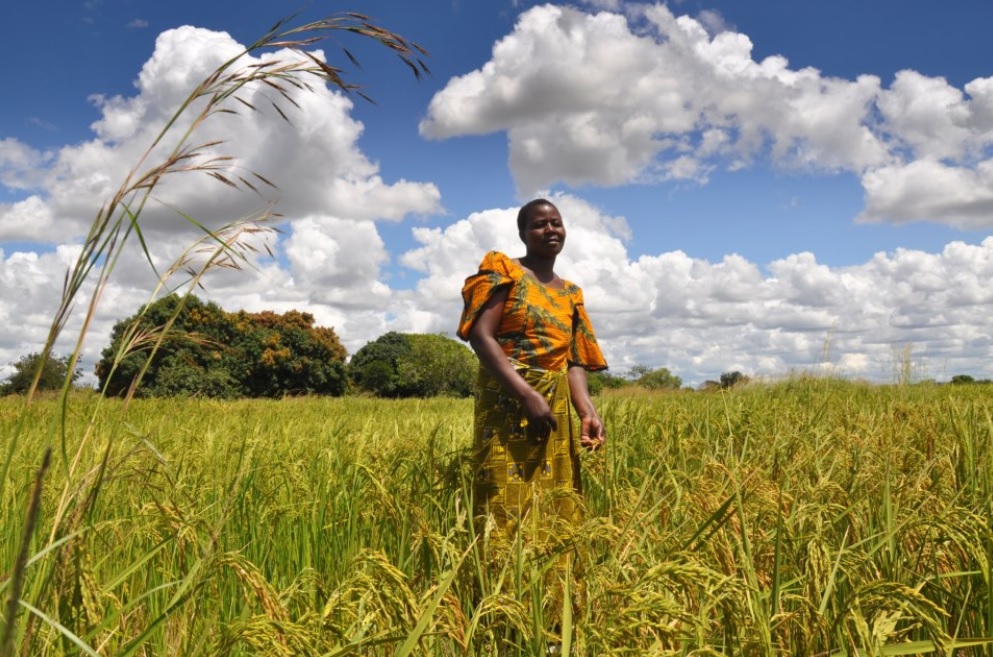
- Country:
- Tanzania
Agriculture is the backbone of the economy in the United Republic of Tanzania. The sector contributes to about 30 percent of the gross domestic product while supporting about 80 percent of rural livelihoods and producing about 95 percent of the country's food requirements. However, small-scale production, which engages the majority of farmers and pastoralists, is vulnerable to natural as well as human-induced crises, which undermine their coping and adaptive capacity and well-being.
The Food and Agriculture Organization of the United Nations (FAO) has developed a four-year strategy with the objective of enhancing the resilience of agriculture-based livelihoods and local food systems, thus improving food security and nutrition. This will be achieved through a combination of protection, prevention and disaster risk reduction measures that address the root causes of vulnerability, as well as meet the immediate needs of people affected by shocks and crises.
The Strategy is fully aligned with the FAO Country Programming Framework (CPF, 2017–2020), which itself aligns with the Government's priorities and sectoral strategies, as well as with the United Nations Development Assistance Plan (2016–2021).
The main planned outcomes of the Strategy include:
evidence-based and risk-informed policies, strategies and plans promoting resilience of livelihoods to threats and crises supported
early warning and risk-informed systems for potential, known and emerging threats established and strengthened
protection, prevention and mitigation of impacts of the crisis and disaster risk on communities and households supported and strengthened
improved preparedness for and response to crises and disasters through effective coordination
(With Inputs from APO)


 Google News