

Hunger increases in South Africa despite COVID-19 welfare payments
Eighteen percent of South African households reported someone going hungry at the end of last year, a survey published on Wednesday found, with the situation worsening despite welfare payments to fight the impact of COVID-19.
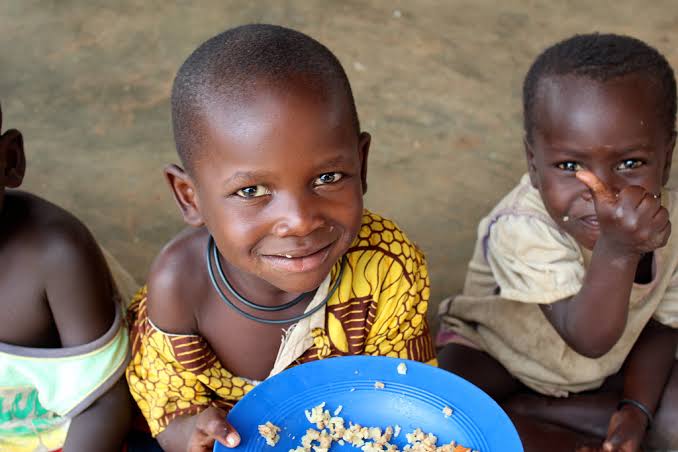
- Country:
- South Africa
Eighteen percent of South African households reported someone going hungry at the end of last year, a survey published on Wednesday found, with the situation worsening despite welfare payments to fight the impact of COVID-19. The hunger rate compares to 14% recorded in an official survey in 2018, showing the impact of the pandemic, researchers wrote in findings of the National Income Dynamics Coronavirus Rapid Mobile Survey (NIDS-CRAM), which followed 10,000 adults.
"The reduction of social protection while rates of adult and child hunger are still at the highest they have been for a decade will have severe consequences," they wrote. The rate of households experiencing hunger hit a high of 23% in May-June, after South Africa's first and most severe lockdown. It improved to 16% in July-Aug as lockdown eased and welfare payments arrived but deteriorated again over the second half of the year, the survey found.
More than 70% of South Africans were found to be living in a household receiving a government grant in October. Since then, a number of COVID-19 relief payments have ended. The survey found a strong recovery in employment in October, a significant increase in school attendance, and growth in reported mask-wearing.
The survey also found that local tobacco producers had increased their share of the market at the expense of multinationals following a five-month cigarette ban between late March and mid-August. Multinational firms' share of the market, more than 70% before the ban, had recovered to just over 50% at the time of the survey.


 Google News