

How Can Play Therapy Help My Child?
There are many different types of therapy nowadays, and each type may be able to help someone feel better about their life or themselves. One type of therapy that is able to help children is called play therapy. Keep reading to find out what this is and how it may be beneficial for your kids.
What Is Play Therapy?
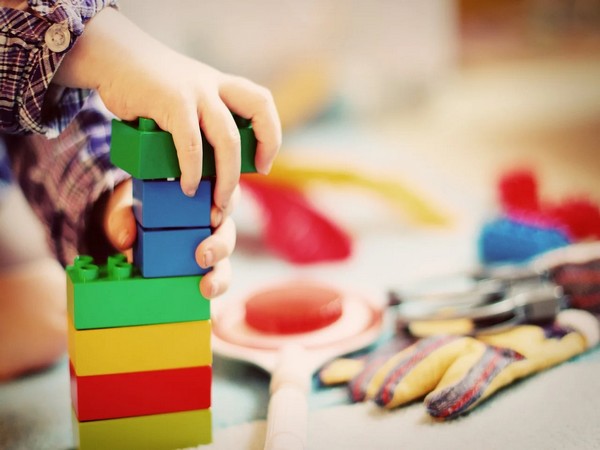
As the name suggests, play therapy revolves around watching children play with toys, dolls, or even drawing, in a therapy setting. As they are playing, a therapist can take notice of cues pertaining to what may be bothering a child or how they feel. Then they might be able to address these issues and talk to them about them. It may take a while for a child to warm up to a therapist, but when they do, they often find that they are easy to talk to and trust. Additionally, this allows the children to open up about what is affecting them, which they might not be able to do with their parents and loved ones. Keep in mind that a child isn't always able to express what they are going through, which is why seeing how they interact with different toys or even when it comes to drawing themselves or others, can play a key role in determining how they feel. This is a good article to read about play therapy if you are interested in learning more.
Who Can Utilize Play Therapy?
Any child can use play therapy. It can be an instrumental tool for kids that are trying to work on their self-esteem, stress levels, motor skills, or interacting with their peers. It is generally recommended for children between the ages of 3 and 12. Play therapy can also be used in addition to other types of therapy, such as talking to a psychiatrist or art therapy. In fact, play therapy is sometimes thought of as a type of art therapy.
How Does It Work?
When a child is taking part in play therapy, a therapist will either allow them to draw or play with toys that are available. Seeing what the child chooses to draw or interact with allows the professional to understand a bit more about how a kid feels or what they are struggling with. On the other hand, a therapist may tell a child what toys to play with, or what to draw, such as themselves or their family, so they can address specific issues and work through them. Once a therapist can learn enough about a child, they should be able to talk to them about their problems and offer advice on how to get through them. A therapist may even opt to not talk to the child until they feel they are ready. In certain instances, a child may need a bit of time and space to get used to spending time with a therapist. The types of toys or art that a therapist has for a child to play with will be different from doctor to doctor. You may want to investigate the therapists in your area that offer art therapy, so you can see if any of them are a good fit for your child.
What To Expect
When your child is undergoing play therapy, they may be able to work through their feelings, much like an adult would be when they take advantage of psychotherapy sessions. Since a child isn't always able to express what they are feeling, this does not mean they aren't affected by situations or events that they have experienced. Being able to talk about their life through playing may be informal enough and allow them to express themselves in a way that can help them. A qualified therapist will be able to pick up on what the child is working through and offer advice to help them address their anxiety and stress levels. This type of therapy can be effective, and you can take advantage of it online or in a face-to-face setting. Consider this type of therapy for your child, if you feel like they need it or if they are having trouble expressing themselves or seem depressed.
(Devdiscourse's journalists were not involved in the production of this article. The facts and opinions appearing in the article do not reflect the views of Devdiscourse and Devdiscourse does not claim any responsibility for the same.)


 Google News