

Boy undergoes challenging spine correctional surgery at city hospital
- Country:
- India
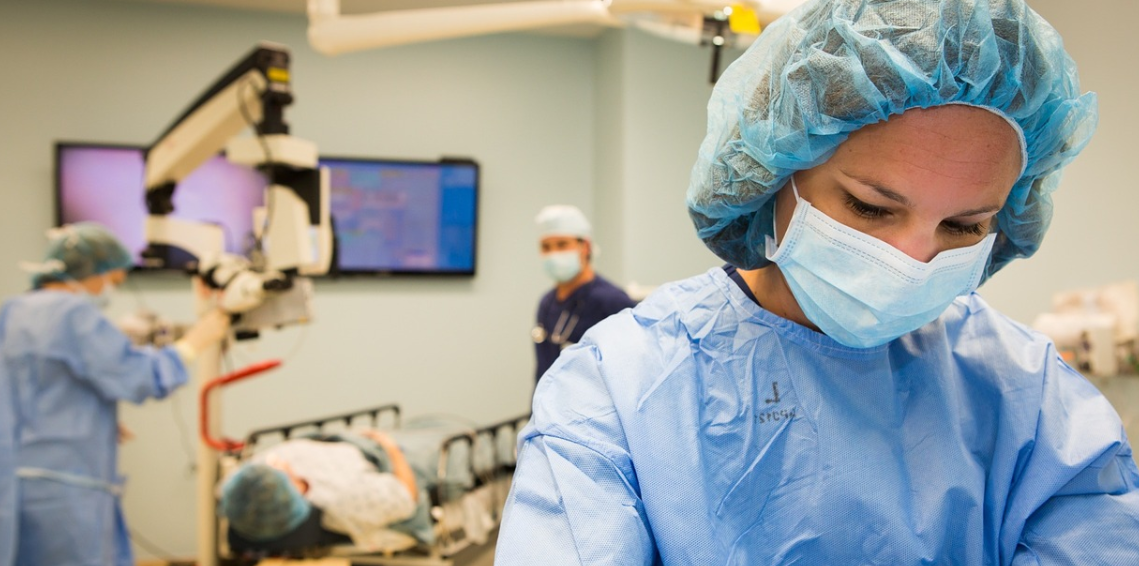
Doctors at a leading facility in Delhi have given a new lease of life to a 12-year-old boy by performing a challenging spine correctional surgery on the child facing a high risk of death due to an inherent disorder, hospital authorities said on Monday.
The six-hour operation was complex as it was a pediatric case with an increased risk of developing malignant hyperthermia and also due to the potentially long surgery in prone position, risk of bleeding and requirement of intensive care after the surgery, doctors said. Malignant hyperthermia in India is rare and only 1 in 1,00,000 may have this condition that can trigger ''fatal reactions such as muscle rigidity and metabolic acidosis during surgery, hospital authorities said, adding, it could be triggered by certain anaesthetic agents. Doctors at the Indian Spinal Injuries Centre (ISIC) here corrected the 140-degree left side scoliotic curve of the spine (a physical deformity where the spine resembles an S-like or C-like shape) in March this year and he was then kept under observation while recuperating, a spokesperson of the hospital said.
The team of medical experts who operated on him, claimed that since dantrolene, the only medicine that can stabilise malignant hyperthermia in an emergency, is not readily available in India, a previous attempt of corrective surgery in another hospital in 2015 had to be abandoned as the boy's body temperature soared to 108 degrees Fahrenheit, and he was saved after a 13-day stay in the intensive care facility.
This time, doctors at the ISIC chose to delay the surgery and wait till the medicine was imported from Germany, hospital authorities said.
He was first brought to ISIC in January. We were facing three major challenges before undertaking the surgery. The first was his malignant hyperthermia. Since he has a history, operating on him without having dantrolene on standby was out of question – the condition has a very high mortality rate of 80 per cent. ''With the emergency drug dantrolene, mortality rate can be brought down to two per cent,'' said Dr Rajat Mahajan, spine surgeon at ISIC.
The second challenge was the magnitude of structural deformity – it was not possible to correct the huge 140-degree Cobb angle (the degree of side-to-side spinal curvature) and pelvic obliquity (a misalignment of the pelvis where one hip is higher than the other) - at one go, he said.
The third was how to use anaesthesia during surgery since the traditional method would have triggered hyperthermia. Since we had to wait for the arrival of dantrolene, we utilised this time to put him on halo gravity traction (a technique to pull the head and spine upward by stretching the spine slowly) for three weeks in the first week of February that improved the curve to 100 degree, the surgeon said.
''This also helped to address the iliocostal impingement, a painful disabling condition in which ribs start to touch the iliac crest (hip bone). The remaining curve and misalignment of hip were corrected with spinal fusion from vertebrae D2 to pelvis during a six-hour-long surgery,'' he added.
Anaesthesiologists at the hospital also said this was a challenging case Since inhalational anaesthetic agents and Suxamethonium are the trigger for the rare condition, we chose not to use these agents for general anaesthesia as is done commonly, said Dr H K Mahajan, chief of anaesthesia, at the hospital.
Instead, the team opted to use Total Intravenous Anaesthesia (TIVA) in which intravenous anaesthetic agents are used to give anesthesia, he said.
''Meticulous vital function monitoring was done throughout the procedure. Dantrolene was kept as standby to meet any catastrophe. This plan worked well in the patient's favour and he remained stable throughout the peri-operative period. The patient's body temperature remained under control,'' he said.
Scoliotic deformities have a genetic root and curve of more than 100 degrees cause cardiopulmonary problems and may reduce life expectancy if not addressed in time. However, doctors say absence of emergency drugs like dantrolene in India and importing such drugs can add to the overall cost of the surgery and the boy's parents had to spend about Rs 4 lakh on the medicine, hospital authorities said.
''Containing such situations in an operation theatre is possible only with the help of dantrolene that is not available with hospitals though the first death in India, potentially caused by malignant hyperthermia, happened in 2001,'' according to Dr H S Chhabra, Medical Director & Chief of Spine at ISIC.
There is no way to determine beforehand whether the patient has the condition unless anaesthesia is administered or a genetic testing is done, he said.
''Anaesthesia cannot be administered without a reason and genetic testing is still not very popular among Indians. Besides, malignant hyperthermia can occur in dental clinics and intensive care units as well. Therefore, it is imperative to have such medicines available at hospitals and we urge the government to make provisions for availability of dantrolene that can help reduce mortality during surgery significantly," he added.


 Google News