

WHO spotlight on HIV to mark 30th anniversary of World AIDS Day
“With no effective treatment available in the 1980s, there was little hope for those diagnosed with HIV, facing debilitating illness and certain death within years,” says Dr Gottfried Hirnschall, Director of the HIV department at WHO.
Fear, stigma and ignorance. That is what defined the HIV epidemic that raged through the world in the 1980s, killing thousands of people who may only have had a few weeks or months from diagnosis to death - if they even managed to be diagnosed before they died.
"With no effective treatment available in the 1980s, there was little hope for those diagnosed with HIV, facing debilitating illness and certain death within years," says Dr Gottfried Hirnschall, Director of the HIV department at WHO.
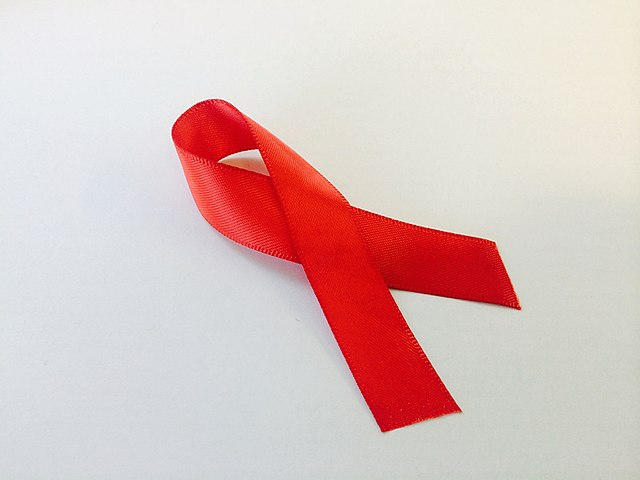
1 December 2018 marks the 30th anniversary of World AIDS Day – a day created to raise awareness about HIV and the resulting AIDS epidemics. Since the beginning of the epidemic, more than 70 million people have acquired the infection, and about 35 million people have died. Today, around 37 million worldwide live with HIV, of whom 22 million are on treatment.
When World AIDS Day was first established in 1988, the world looked very different to how it is today. Now, we have easily accessible testing, treatment, a range of prevention options, including pre-exposure prophylaxis of PrEP, and services that can reach vulnerable communities.
To mark this anniversary, this WHO Spotlight on HIV looks back at the extraordinary successes of the past 30 years in fighting HIV and examines what we need to do now to end AIDS by 2030.


 Google News