

Learning from the Past: How Historical Pandemics Can Shape a Better Future
The World Health Organization’s report "History as a Partner in Public Health" explores how historical pandemics have shaped societies and how these lessons can be applied to future health crises. Key themes include understanding pandemic narratives, the role of social contracts and trust, the mental health impacts of pandemics, the potential for political and social movements, and the economic and innovative impacts of pandemics. By integrating historical insights into public health planning, societies can build more resilient and equitable health systems.
 CoE-EDP, VisionRI
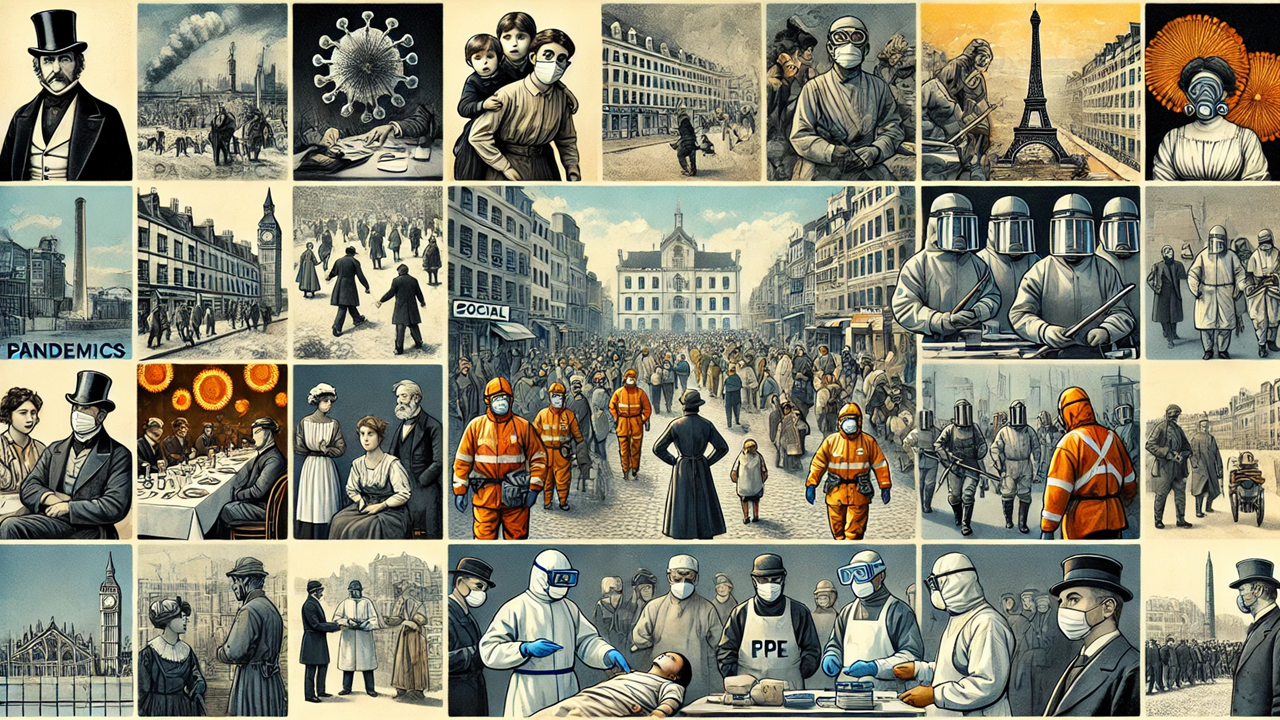
The COVID-19 pandemic has underscored the importance of understanding past pandemics to build a more resilient future. The World Health Organization's (WHO) 2024 report, "History as a Partner in Public Health," by the Foresight Think Tank on the History of Pandemics, delves into how historical pandemics have shaped societies and how these lessons can be applied to future health crises. This insightful report examines 14 key themes that provide a comprehensive understanding of the multifaceted impacts of pandemics.
Understanding Pandemic Narratives
Narratives are powerful tools that shape how societies perceive and respond to pandemics. From medieval explanations of the plague as a divine punishment to modern-day conspiracy theories about COVID-19's origins, these stories influence public behavior and policy. The report highlights that capturing and understanding these narratives can help public health officials and policymakers develop more effective communication strategies. Art, literature, and media play crucial roles in reflecting and shaping these narratives, offering valuable insights into societal responses to pandemics.
The Role of Social Contracts and Trust
Epidemics often lead to a reevaluation of social contracts, exposing and sometimes exacerbating existing inequalities. The report emphasizes that how governments use data and science during pandemics significantly impacts public trust and compliance. Historical examples, such as the concealment of cholera outbreaks in early 20th-century Italy, demonstrate the long-term consequences of data manipulation on public trust. Building and maintaining trust through transparent and accurate data is essential for effective public health responses.
Mental Health and Social Movements
The mental health impacts of pandemics are profound and long-lasting. The report highlights that public health emergencies, like COVID-19, place enormous psychological stress on individuals, leading to increases in depression, anxiety, and other mental health issues. Historical pandemics, such as the Spanish flu and SARS, have shown similar patterns of mental health crises. Addressing these mental health challenges requires understanding their historical context and integrating mental health support into public health strategies.
Pandemics can also trigger significant political and social movements. The report cites examples from the Black Death to the Third Plague Pandemic in India, where public health measures led to widespread social unrest and political upheaval. These movements can be progressive or reactionary, influenced by the unique socio-political context of each pandemic. Recognizing and addressing the socio-political dimensions of pandemics can help mitigate potential unrest and promote social cohesion.
Innovation and Economic Impact
Pandemics often drive innovation, but these advancements can also expose and exacerbate existing inequalities. The report discusses how technological and systemic innovations during pandemics, such as the development of vaccines, have historically had uneven impacts across different social groups. Ensuring equitable access to these innovations is crucial for building resilient health systems.
Economic recovery post-pandemics is another area of concern. The report highlights that economic impacts are often uneven, with vulnerable populations, particularly women, bearing the brunt of the consequences. Historical analysis reveals patterns of economic disparity exacerbated by pandemics, stressing the need for inclusive economic policies that support all segments of society in recovery efforts.
The WHO's report, "History as a Partner in Public Health," provides a valuable framework for understanding the multifaceted impacts of pandemics through 14 key themes. By learning from historical pandemics, societies can build more effective, responsive, resilient, and equitable health systems. Incorporating historical insights into public health planning can foster stronger economies, heal the environment, and promote social justice and equity in the post-pandemic world. As we navigate the challenges of the present and future, these lessons from the past offer a roadmap for creating a healthier and more equitable global society.
- FIRST PUBLISHED IN:
- Devdiscourse
ALSO READ
-
Cleaner Kitchens, Polluted Skies: Hidden Health Cost of India’s Electricity Boom
-
El Niño Health Alarm: Rising Heat, Floods and Hunger Put Communities on High Alert
-
WHO’s New Behavioural Sciences Course Brings Human Behaviour Into Public Health Focus
-
Tajikistan Gets $43.27 Million to Fight Outbreaks and Bring Health Care Closer to Home
-
Hidden by Stigma, Missed by Surveys: WHO Calls for Better Sexual Violence Data


 Google News