

Global AIDS Crisis: Slowing Progress Amid Rising Infections
A new UN report reveals that nearly 40 million people were living with HIV in 2022, with over 9 million lacking treatment. Progress to end AIDS has slowed, and new infections have risen in several regions. Gender inequality and stigma remain significant issues as UNAIDS calls for renewed global efforts.
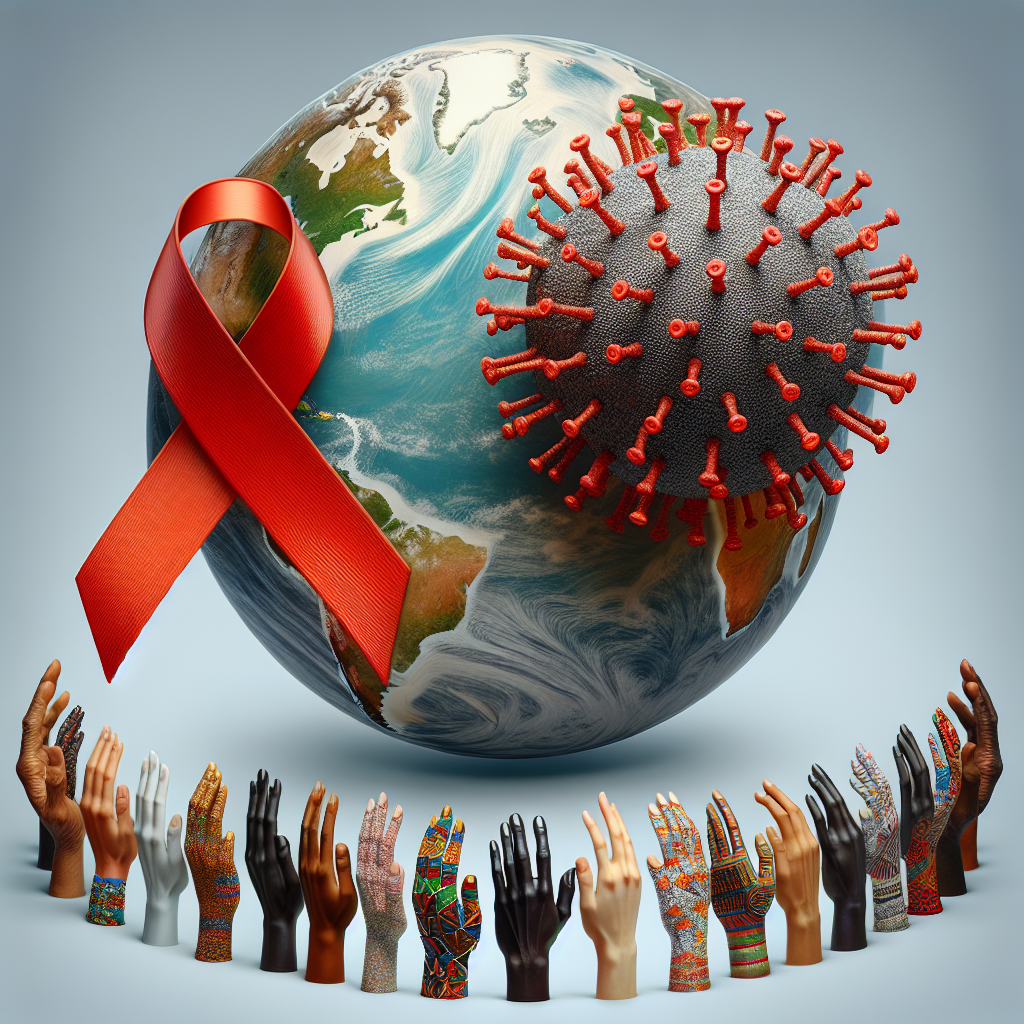
Nearly 40 million people were living with the HIV virus that causes AIDS last year, with over 9 million not receiving any treatment, leading to an alarming one death per minute from AIDS-related causes, according to a new UN report released Monday.
The report highlighted that while there have been advances in combating the global AIDS pandemic, progress has stalled, funding is decreasing, and new infections are climbing in regions such as the Middle East, North Africa, Eastern Europe, Central Asia, and Latin America.
In 2023, approximately 630,000 people died from AIDS-related illnesses, a stark decrease from 2.1 million deaths in 2004, but still more than double the 2025 target of fewer than 250,000 deaths. Gender inequality exacerbates risks for girls and women, with high HIV incidence among young women in parts of Africa. New infections among marginalized communities rose to 55% in 2023 from 45% in 2010.
UNAIDS Executive Director Winnie Byanyima emphasized the need for adequate resources and human rights protections to meet the goal of ending the AIDS pandemic by 2030. Despite some progress in treatments, high costs remain a barrier for many, and UNAIDS continues to advocate for a preventive vaccine and accessible treatments in low and middle-income countries.


 Google News