

Accelerating CAR-T Therapies: A Race Against Time for Blood Cancer Patients
Big pharmaceutical companies are working to cut manufacturing turnaround times for CAR-T therapies by half. These personalized blood cancer treatments, used when standard treatments fail, involve re-engineering a patient's T cells. Companies like Gilead and Novartis are exploring automation and regulatory adjustments to expedite delivery, potentially expanding patient eligibility and enhancing survival rates.
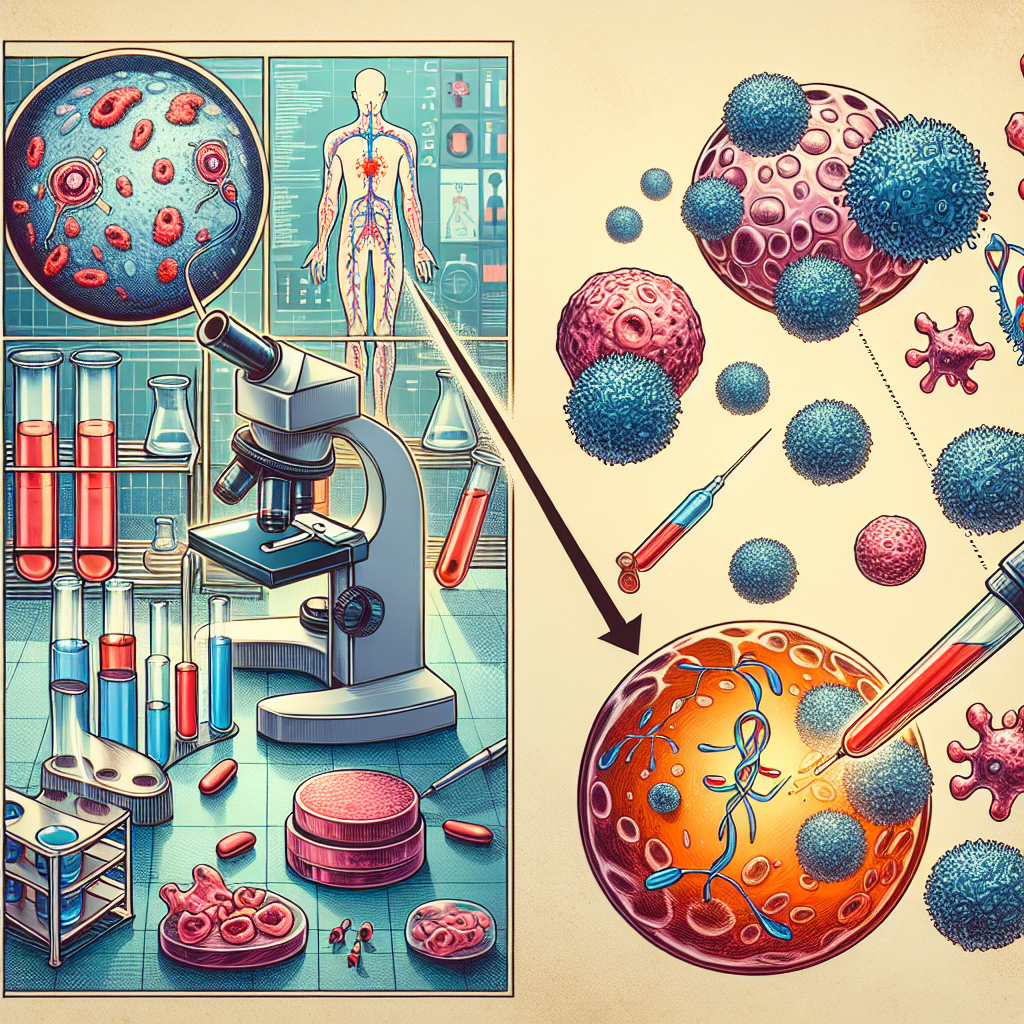
Big pharmaceutical companies are working to cut the manufacturing turnaround time for personalized blood cancer treatments, known as CAR-T therapies, by as much as half in the coming years. This effort aims to deliver the therapies sooner in a patient's disease course.
CAR-T treatments, used when standard treatments have failed, involve removing and re-engineering a patient's T cells to recognize and attack malignant cells upon re-infusion. Major players like Gilead Sciences, Novartis, Johnson & Johnson, and Bristol Myers Squibb, have profited significantly from these treatments, extending the lives of patients with aggressive advanced cancers.
Improving manufacturing times could open treatments to patients who might otherwise become too ill during the process. Current prices range from $400,000 to nearly $600,000 per treatment. Analysts estimate profit margins of about 50%, highlighting the significance of expanding the patient population.


 Google News