

Beyond Borders: Tackling the Health Crisis of Refugees and Migrants in a Global Era
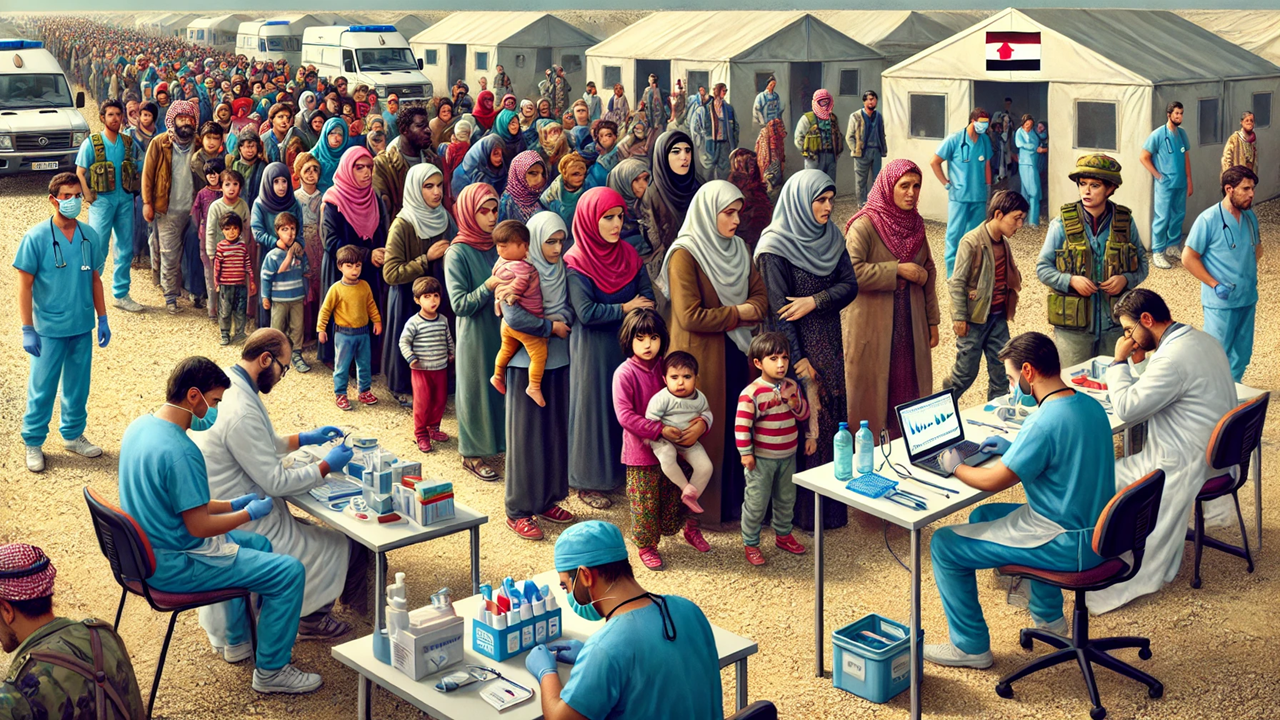
The WHO Global Action Plan on Promoting the Health of Refugees and Migrants (2019-2030) addresses the rising health needs of displaced populations. With international migration increasing, the plan outlines collaborative efforts to ensure health equity through public health interventions, continuity of care, mainstreaming health into global agendas, tackling social determinants, and improving health communication.
 CoE-EDP, VisionRI
Comprehensive Global Strategy
The World Health Organization (WHO) has unveiled an ambitious and crucial plan aimed at promoting the health of refugees and migrants from 2019 to 2030. As the global population of displaced individuals continues to rise, this strategy seeks to address the pressing health needs of these vulnerable groups. With international migration at an all-time high, the health consequences for millions are profound, necessitating coordinated global action.
The WHO Global Action Plan on Promoting the Health of Refugees and Migrants underscores the urgency of this issue. Initially presented to the World Health Assembly in 2019 and extended to 2030, this plan is a response to the growing challenges faced by displaced populations. The plan provides a framework for Member States and international stakeholders to collaboratively improve health outcomes for refugees and migrants.
The Escalating Health Crisis
The statistics are staggering. In 2017, the number of international migrants was 258 million, constituting 3.4% of the global population. By 2020, this figure had risen to 281 million. The number of forcibly displaced people worldwide has also surged, reaching 108.4 million by the end of 2022. Among these, 35.3 million are refugees. This dramatic increase highlights the urgent need for comprehensive health strategies tailored to the unique challenges faced by these populations.
Refugees and migrants often lack access to basic healthcare services, which exacerbates their vulnerability to communicable and non-communicable diseases, mental health issues, and occupational hazards. The health challenges they face are compounded by barriers such as language and cultural differences, high costs, discrimination, and administrative hurdles. These obstacles not only impede access to care but also contribute to negative mental health outcomes.
A Collaborative Effort for Health Equity
The WHO action plan emphasizes the collaborative roles of various international organizations, including the International Organization for Migration (IOM) and the United Nations High Commissioner for Refugees (UNHCR). By working together, these organizations aim to promote the health and well-being of refugees and migrants through coordinated and inclusive efforts.
The plan's scope is broad and ambitious. It seeks to ensure that health services for refugees and migrants are inclusive, comprehensive, and integrated into broader public health systems. The guiding principles of the plan include the right to health, equality, non-discrimination, equitable access to services, and international cooperation.
To achieve its goals, the WHO action plan outlines six key priorities. First, it aims to promote health through public health interventions, supporting a mix of short-term and long-term health measures to improve outcomes. Second, it seeks to ensure the continuity and quality of essential health care, focusing on sustaining healthcare services, occupational health, and safety measures. Third, it advocates for the mainstreaming of health into global, regional, and national agendas, promoting policies that are sensitive to the needs of refugees and migrants, with a focus on gender equality, legal and social protection, and intersectoral collaboration. Fourth, the plan aims to enhance the capacity to address social determinants of health, working towards achieving the Sustainable Development Goals, including universal health coverage. Fifth, it focuses on strengthening health monitoring and information systems to improve data collection and analysis, informing health interventions. Finally, the plan supports evidence-based health communication to counter misperceptions about migrant and refugee health through effective communication strategies.
Implementing the Plan
Implementing the WHO action plan will require a coordinated effort involving various stakeholders, including international organizations, Member States, and non-state actors. The plan calls for technical assistance, knowledge sharing, and capacity-building initiatives tailored to the health needs of refugees and migrants.
One of the key aspects of the plan is its focus on addressing the social determinants of health, which are critical to improving health outcomes for refugees and migrants. This includes tackling issues such as poor living conditions, food insecurity, and limited access to healthcare services. By addressing these underlying factors, the plan aims to create a more equitable health landscape for displaced populations.
Moreover, the plan emphasizes the importance of health monitoring and information systems to ensure that adequate, standardized, and comparable data is available. This data is crucial for developing evidence-based policies and interventions that can effectively address the health needs of refugees and migrants.
A Path Forward
The WHO Global Action Plan on Promoting the Health of Refugees and Migrants represents a significant step towards improving global health equity. By focusing on the health needs of displaced populations, the plan aims to ensure that no one is left behind. Through coordinated action and collaboration, it is possible to create a healthier future for refugees, migrants, and host communities alike.
As the global community grapples with the challenges of displacement and migration, the WHO's action plan provides a roadmap for ensuring that health remains a priority. By addressing the unique needs of refugees and migrants, we can work towards a world where everyone has the opportunity to achieve the highest attainable standard of health.
- FIRST PUBLISHED IN:
- Devdiscourse
ALSO READ
-
People Are Living Longer, but WHO Figures Reveal Growing Cost of Poor Health
-
Netherlands and WHO Strengthen Health Partnership as Crises Put Care Under Pressure
-
Longer Lives, Unequal Care: UN Report Exposes Gaps in Support for Older People Globally
-
Kazakhstan Connects Over 200 Health Workers With Global Clinical Research Experts
-
Higher Tobacco Taxes Cut Smoking and Show How Health Levies Can Change Daily Lives


 Google News