

U.S. Bird-Flu Outbreak in Dairy Cattle: An Underreported Crisis
The bird-flu outbreak among U.S. dairy cattle is larger than official reports indicate. Farmers fear the economic repercussions of positive tests, leading to underreporting. Experts warn that inadequate surveillance may hinder efforts to prevent human spread. Some states have implemented stricter testing to better track and contain the virus.
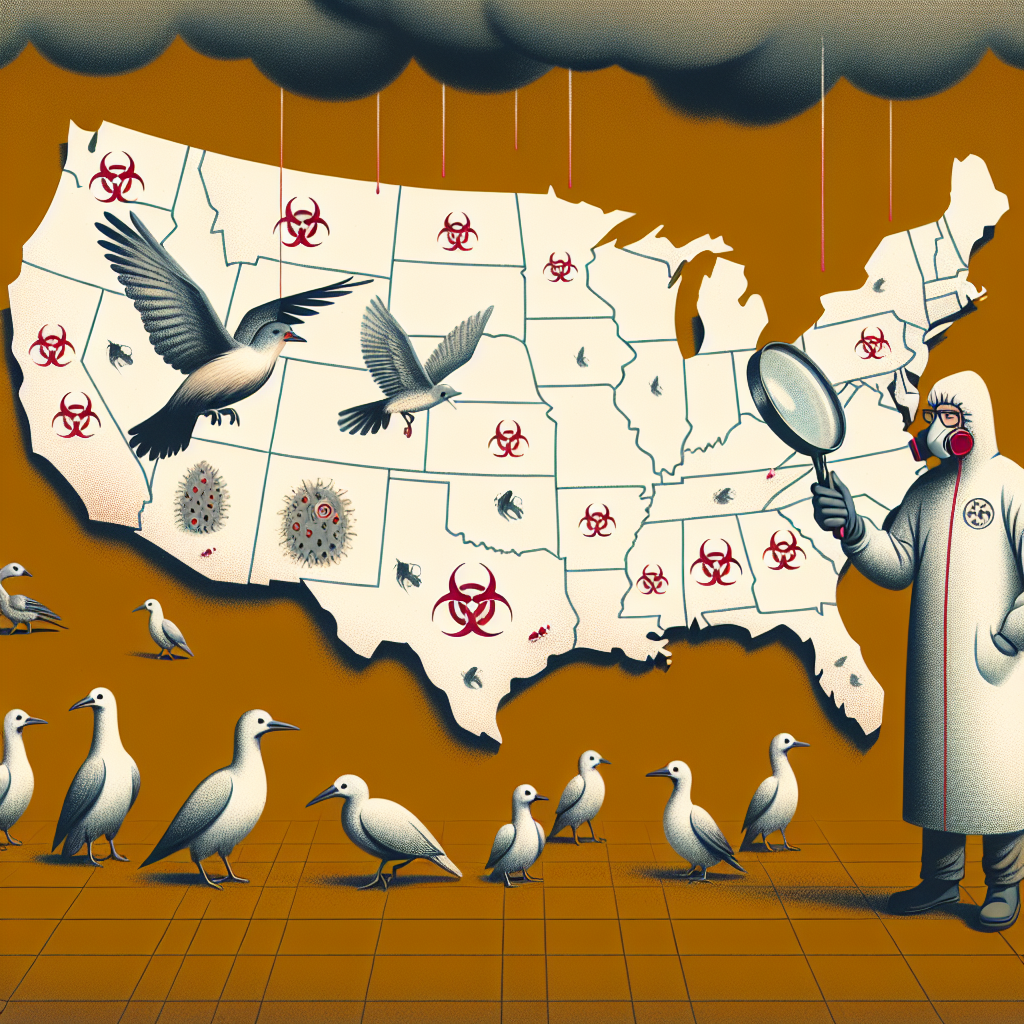
The current bird-flu outbreak among U.S. dairy cattle is significantly larger than official figures suggest, as farmers are hesitant to test their animals due to potential economic fallout. Reuters interviewed dairy experts, veterinarians, and farmers across six states impacted by the virus to uncover the truth behind this health crisis.
According to the U.S. Department of Agriculture, bird flu has been detected in approximately 190 dairy herds across 13 states since March. Experts are concerned that the virus, already transferred from birds to cows, could adapt to spread among humans. Limited surveillance may weaken America’s ability to respond to any human spread.
Government authorities and industry experts agree that the official count of infected cattle is likely understated. Farmers face severe economic repercussions, such as being restricted from selling their milk or cattle, which reduces milk production. Despite federal compensation for veterinary care and lost milk, many farmers choose not to test, fearing the economic impact will outweigh the benefits.


 Google News