

The Unseen Connection: HPV and Heart Disease Risk Unveiled
Research presented at the American College of Cardiology has found that individuals positive for human papillomavirus (HPV) face a 40% higher risk of heart disease compared to HPV-negative individuals. The study suggests HPV could be an overlooked risk factor for cardiovascular conditions, underlining the importance of considering non-conventional factors in heart disease monitoring.
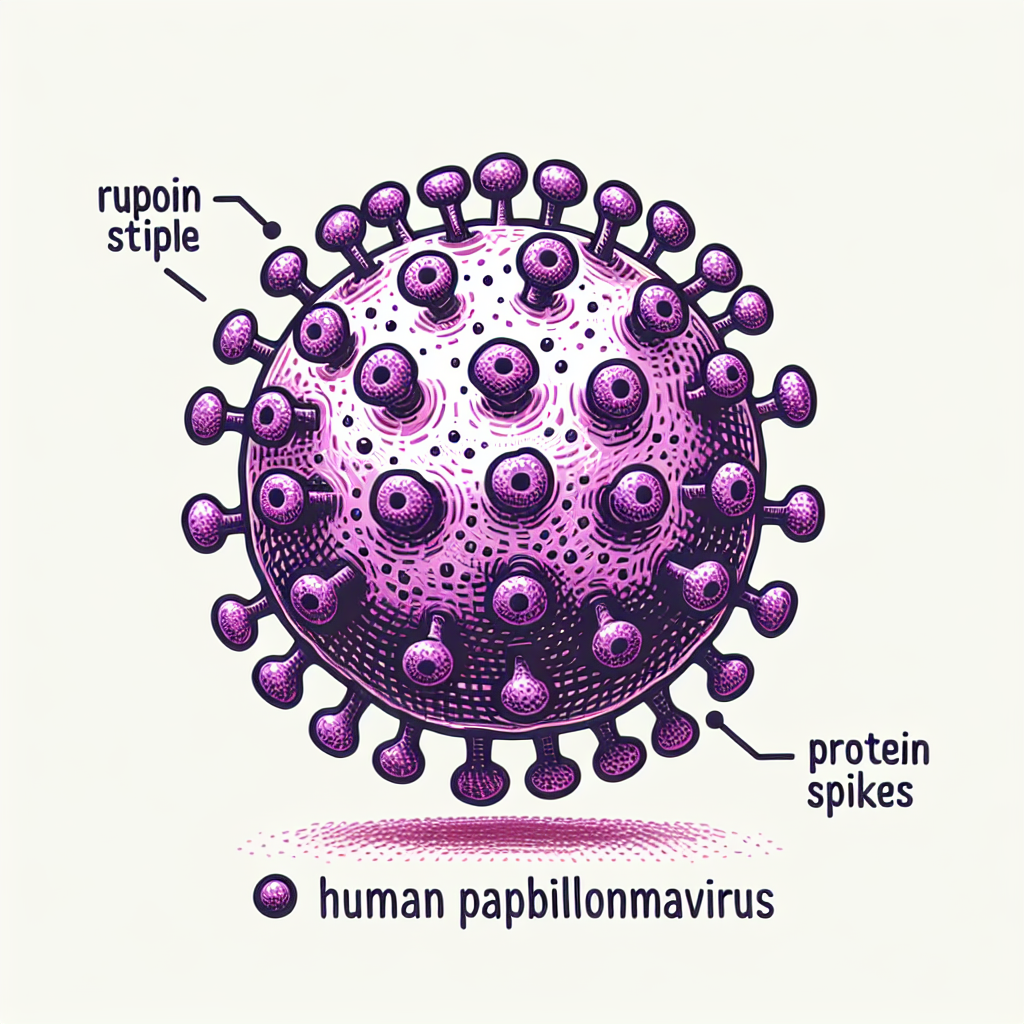
A recent study presented at the American College of Cardiology's Scientific Session in Chicago has spotlighted a surprising link between human papillomavirus (HPV) and increased cardiovascular disease risk. Analyzing data from seven studies involving nearly 250,000 volunteers, researchers discovered that HPV-positive individuals are 40% more likely to develop heart disease than those without the virus.
Crucially, the research shows that even after adjusting for lifestyle and medical history, HPV-positive patients had a 33% heightened risk of cardiovascular disease. This underscores the need for healthcare providers to monitor heart health closely in HPV-positive patients, similar to those with conventional heart risk factors.
Study leader Dr. Stephen Akinfenwa emphasized the importance of recognizing HPV as a non-traditional cardiovascular risk factor potentially linked to chronic inflammation. The research team is keen to explore whether HPV vaccination can mitigate cardiovascular risks, offering a proactive approach to potentially reduce heart disease incidents.


 Google News