

India's Push for Clean Cooking: A Public Health Imperative
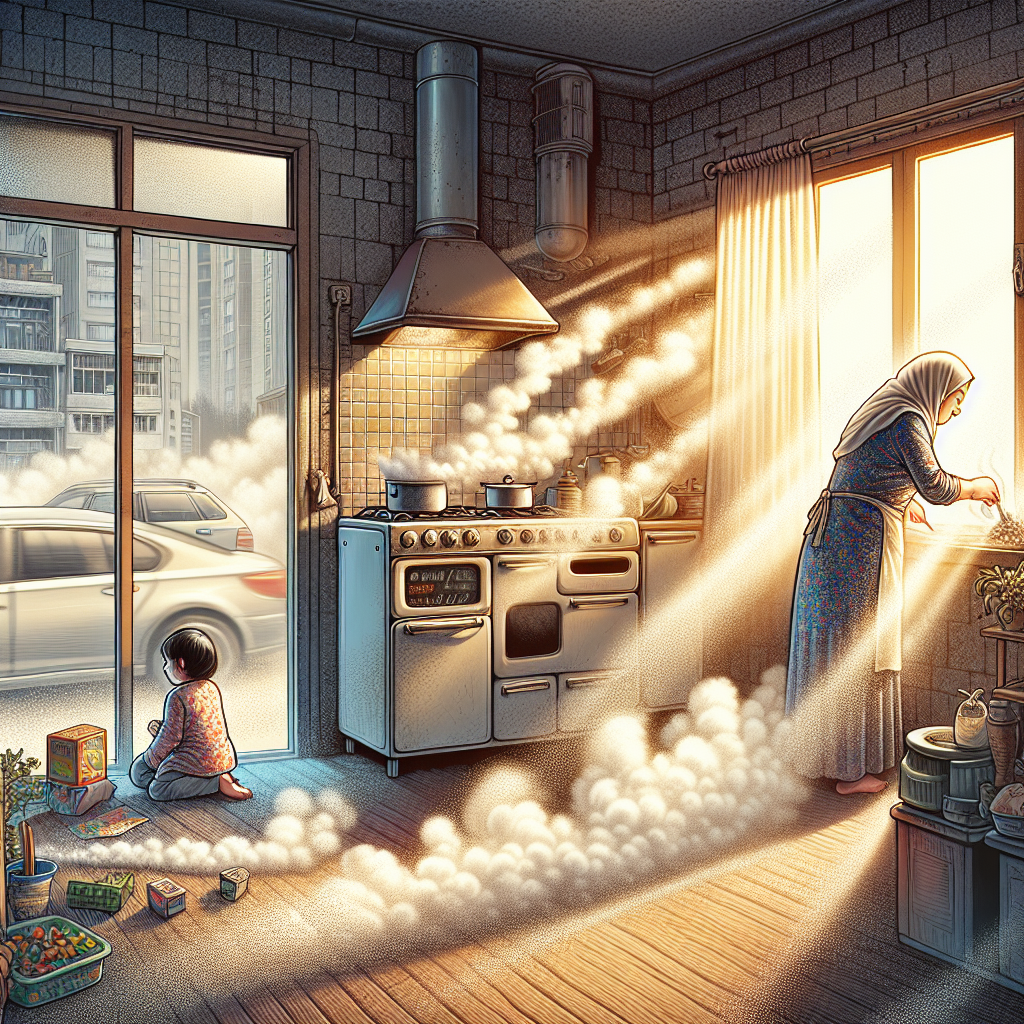
Household air pollution from biomass fuels is a priority for India's National Clean Air Programme. Despite India's extensive infrastructure to address the issue, 41% of the population still relies on biomass fuels. Transitioning to clean cooking solutions is vital, but affordability and cultural barriers remain challenges.
- Country:
- Colombia
The issue of household air pollution has emerged as a key focus for India's National Clean Air Programme (NCAP), with experts highlighting its critical importance in reducing ambient PM2.5 levels. At a recent WHO conference, Kalpana Balakrishnan emphasized India's favorable position to tackle this environmental and public health challenge.
Currently, 41% of India's population relies on biomass fuels, contributing significantly to carbon emissions and air pollution. This reliance poses environmental and health risks, particularly for marginalized communities, emphasizing the need for inclusive and cost-effective solutions to transition to cleaner cooking methods.
Efforts like the Pradhan Mantri Ujjwala Yojana (PMUY) are pivotal in promoting LPG usage, but affordability and cultural preferences continue to impede progress. Achieving widespread clean cooking adoption will require a blend of policy interventions, community activism, and ongoing research to overcome these hurdles and ensure sustainable public health improvements.


 Google News