

Decoding Cat Allergies: Myths, Misconceptions, and Management
Cat allergies are primarily caused by the protein Fel d 1, not cat hair. This protein is found in a cat's saliva and skin glands, and can stick to surfaces and become airborne. Despite 'hypoallergenic' cat breed claims, individual variance in Fel d 1 production is key. Ways to manage these allergies include considering cat vaccinations, diet, and regular cleaning.
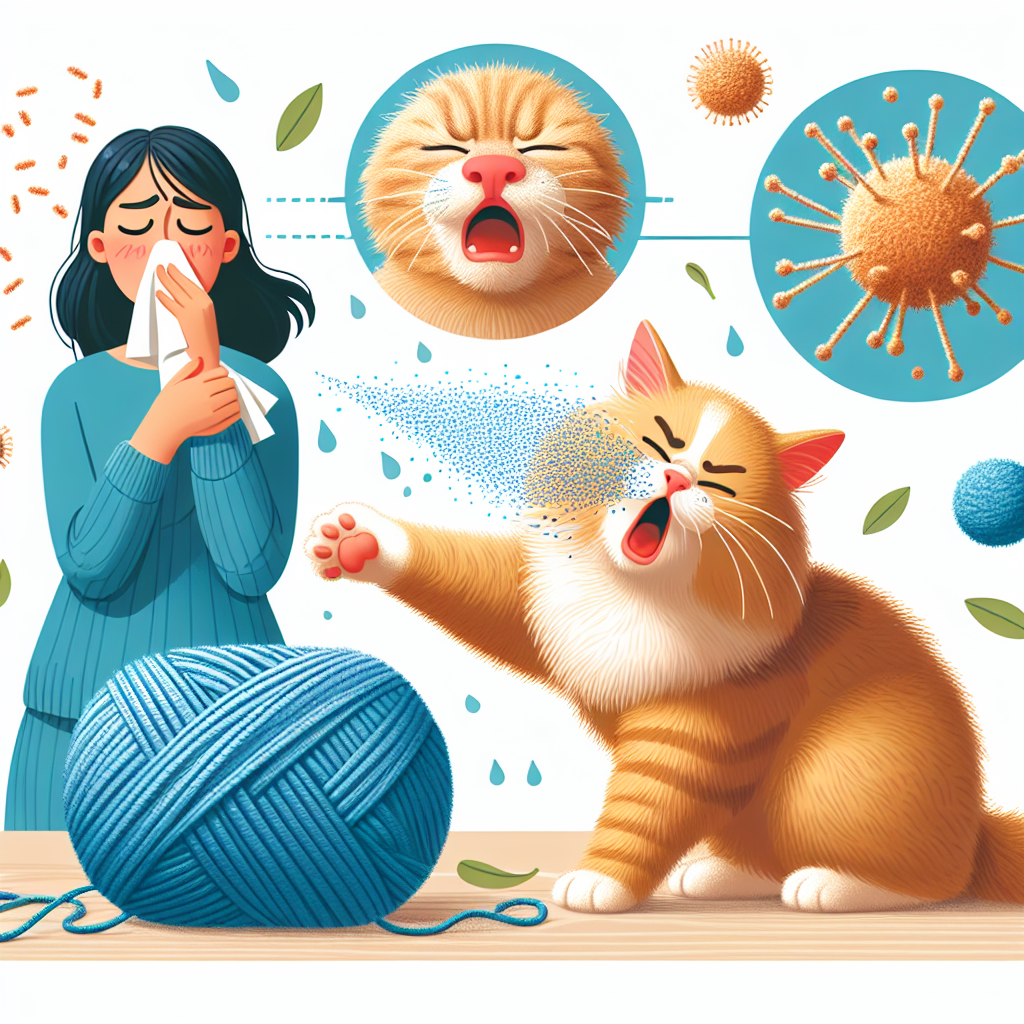
Allergies can severely impact individuals, especially when elicited by cherished pets. Cats stand as a major source of indoor allergens, second only to dust mites. The real allergen culprit is the protein Fel d 1, prevalent in a cat's saliva and skin glands, not their hair.
Fel d 1, a microscopic protein, adheres to clothing and surfaces, remaining airborne and easy to inhale, affecting even homes without cats. Research shows no correlation between hair length or coat color and allergen production, though variations in each cat's Fel d 1 levels account for differing allergic responses.
Current studies explore reducing Fel d 1 in cats through vaccines and specific diets. Managing cat allergies can involve exposure adjustments and regular cleaning, illustrating that allergy sufferers can still enjoy the companionship of cats with proper management.


 Google News