

Revolutionizing Brain Therapies: The Era of Adaptive Deep Brain Stimulation
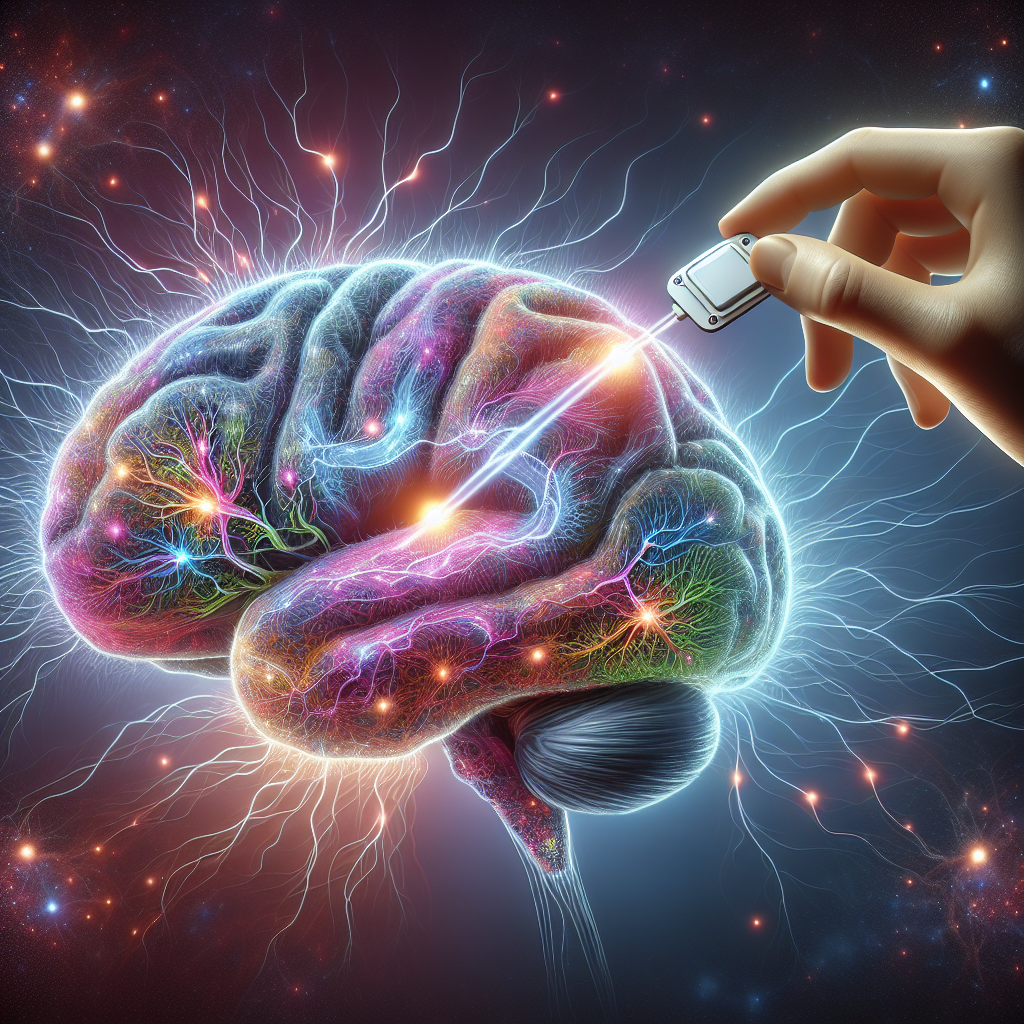
Adaptive deep brain stimulation marks a turning point in treating Parkinson's disease, using brain waves to tailor stimulation for optimal effects. This technology, born from decades of research, offers personalized treatment, paving the way for broader applications in neurology and promising advancements in understanding neurological disorders.
- Country:
- United Kingdom
In a groundbreaking advancement, adaptive deep brain stimulation has emerged as a revolutionary treatment for Parkinson's disease. This innovative therapy, recently approved by US and European health authorities, utilizes real-time brain activity to adjust stimulation levels for optimal symptom relief.
The development, initiated by University College London scientists over two decades ago, builds upon the concept of using electrical pulses to manage symptoms. New devices now incorporate sensing abilities to record brain wave levels, offering fresh insights into neurological conditions.
The introduction of adaptive stimulators presents new challenges, including increased complexity and demand on clinical resources. However, this advancement promises swift progress toward understanding and treating various neurological and psychiatric disorders, hinting at exciting future possibilities in the field.


 Google News