

WHO Warns Poor Waste Management Is Fueling a Global Public Health Emergency
Dr Ruediger Krech, Director a.i. of WHO’s Department of Environment, Climate Change, One Health and Migration, emphasized that waste both reflects and reinforces social inequities.
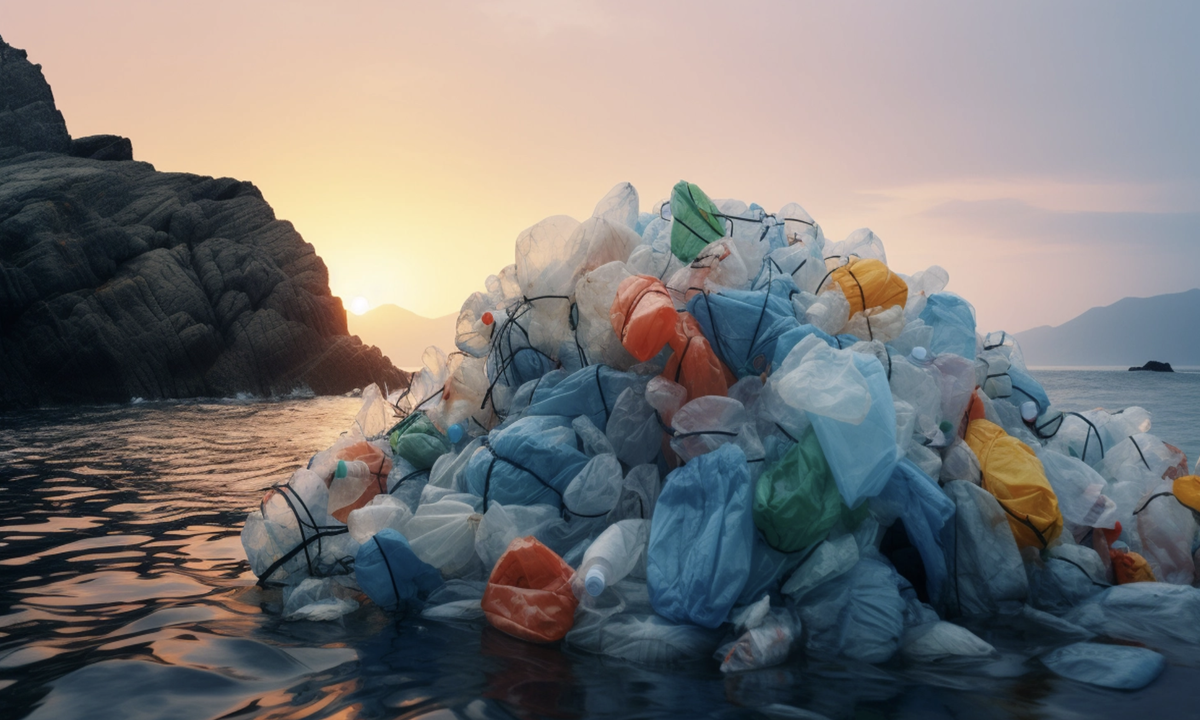
A major new report by the World Health Organization (WHO)—Throwing away our health: the impacts of solid waste on human health—reveals that inadequate solid waste management is triggering a growing public health emergency worldwide. The report urges governments, health systems, and development partners to take immediate, coordinated action to protect communities and ecosystems from escalating waste-related risks.
A Rapidly Growing Global Threat
Municipal solid waste is increasing at unprecedented rates due to urbanization, rising consumption, and expanding populations. Yet many countries still lack the infrastructure and investment needed to manage waste safely. This gap is creating widespread, preventable health threats.
Dr Ruediger Krech, Director a.i. of WHO's Department of Environment, Climate Change, One Health and Migration, emphasized that waste both reflects and reinforces social inequities.
"If we continue to treat waste as an afterthought, we will lock in avoidable disease, climate pollution and deep social inequities," he warned.
How Poorly Managed Waste Harms Health
The report highlights numerous pathways through which unmanaged or improperly treated waste harms people and the planet:
-
Air pollution from open burning releases toxic chemicals, particulate matter, and climate-warming emissions.
-
Water contamination occurs when waste pollutes rivers, lakes, and groundwater—endangering drinking water supplies.
-
Soil degradation results from chemical leaching and hazardous dumping.
-
Food contamination arises from pollutants entering crops or livestock.
-
Disease vectors—such as mosquitoes, flies, rats, and other rodents—thrive in unmanaged waste environments.
Communities living near dumpsites or poorly regulated landfills and incinerators face some of the highest exposure risks. So do children, pregnant women, informal waste pickers, and others underserved by essential waste collection services.
Solid Waste and WASH: An Interlinked Challenge
The report underscores the critical connection between solid waste management and water, sanitation and hygiene (WASH). Safe management of municipal and health-care waste is essential for:
-
protecting drinking-water sources,
-
ensuring climate-resilient sanitation systems, and
-
preventing infectious disease outbreaks.
From Pollution to Opportunity: Waste as a Resource
Despite its dangers, properly managed waste can drive sustainable development. Modern systems can:
-
generate renewable energy,
-
support circular economies,
-
create dignified green jobs, and
-
reduce pressure on natural ecosystems.
To realize these benefits, the report calls for adherence to the waste hierarchy, prioritizing:
-
Prevention,
-
Reduction,
-
Reuse,
-
Recycling,
-
Recovery, and finally,
-
Safe disposal of unavoidable waste.
Key Actions for Governments and Development Partners
The WHO report outlines an actionable agenda, urging countries to:
-
Reduce waste generation at the source, including plastics and hazardous materials.
-
Expand affordable, reliable waste collection, especially in marginalized communities.
-
Strengthen regulatory control of recovery and disposal facilities.
-
Eliminate open dumping and open burning—major contributors to disease and pollution.
-
Improve standards for hazardous waste management, including e-waste and medical waste.
The Health Sector's Crucial Role
WHO stresses that the health sector must take a leadership role in addressing waste as a public health threat. Health systems can:
-
Reduce health-care waste generation through better procurement.
-
Improve waste segregation and safe treatment practices.
-
Invest in cleaner, energy-efficient, climate-resilient technologies.
-
Advocate for policies that prioritize environmental health.
-
Strengthen occupational safety programmes for waste workers.
-
Support informal waste workers through social protection and inclusion.
Bruce Gordon, Head of WHO's Water, Sanitation, Hygiene and Health Unit, emphasized that countries can act immediately:
"Closing open dumps and burn sites and improving towards safe services will save lives today and build healthier cities for the future."
A Clear Call to Action
Throwing away our health presents a practical roadmap for governments, municipalities, and health authorities. With solid waste volumes rising, the cost of inaction grows higher each day. By placing health and equity at the centre of waste management strategies, countries can protect vulnerable populations, strengthen climate resilience, and build cleaner, healthier cities for generations to come.


 Google News