

New Vaccines Revolutionize Malaria Control in Ghana, But Aid Cuts Loom
Ghana celebrates a significant reduction in child deaths from malaria thanks to new vaccines from GSK and Oxford. Yet, the achievements may be overshadowed by aid cutbacks from major donors. Gavi warns of potential adverse impacts on vaccination rates across Africa unless funding issues are resolved.
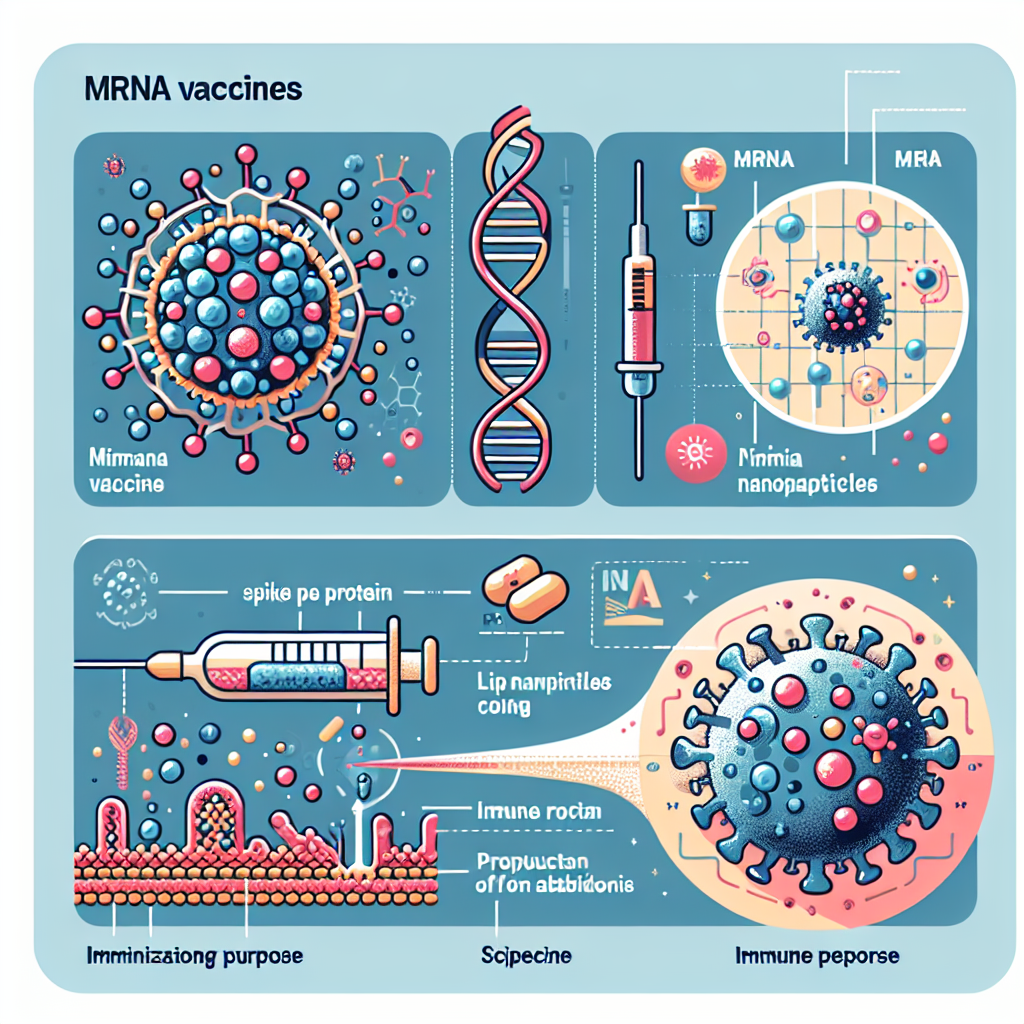
In Ghana, the introduction of new malaria vaccines has been hailed as a significant development in combating child deaths from the disease. These vaccines, crafted by GSK and Oxford University, are complementing existing interventions like insecticide-treated nets and medicines, thereby closing crucial gaps in malaria control.
However, Gavi and health experts warn that these strides are threatened by diminishing aid from countries like the U.S. and UK. With funding falling short of the $2.9 billion target, many fear decreased vaccination rates could result in thousands of preventable child deaths unless alternative support is secured.
Despite these financial hurdles, initial vaccine rollouts in 24 African nations promise hope. Although logistical challenges exist, and high costs persist, ongoing adjustments to pricing and commitments from individual African nations aim to sustain this momentum against one of the deadliest diseases affecting the region.


 Google News