

Revolutionary CAR-T Cell Therapy: A Lifeline for Rheumatology and Kidney Transplants
CAR-T cell therapy, a breakthrough treatment originally for blood cancers, is now offering hope for kidney transplant in hard-to-match patients and rheumatology disorders. Recent studies show its potential to reset the immune system, enabling successful kidney transplants and significant improvements in autoimmune diseases like rheumatoid arthritis and systemic sclerosis.
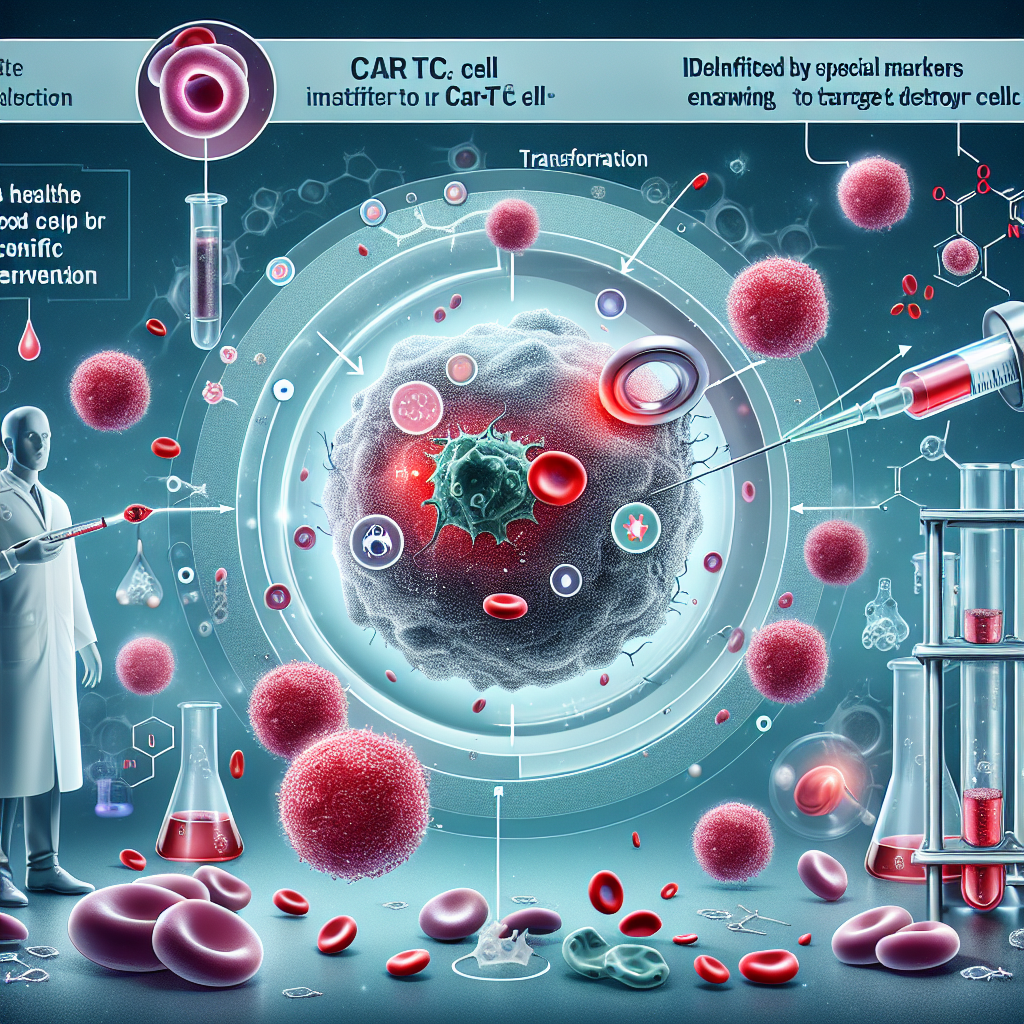
Researchers have unveiled new possibilities for CAR-T cell therapy, showing its potential beyond cancer treatment to include aiding kidney transplants in challenging cases. Originally developed for blood cancers, this therapy modifies patients' immune cells, reducing harmful antibodies and successfully resetting immune responses to accept donor kidneys. This groundbreaking approach enabled three patients, previously unable to find matches, to receive transplants, as reported in The New England Journal of Medicine.
In rheumatological disorders, CAR-T therapy is showing promise where other treatments have failed. At the European Alliance of Associations for Rheumatology meeting, studies revealed significant improvements in conditions like rheumatoid arthritis and systemic sclerosis. The experimental therapy helped achieve disease remission and reduced dependency on immunosuppressive drugs.
Further research indicates CAR-T therapy's ability to positively alter gut microbiota in autoimmune disease patients, potentially supporting long-term remission. The results, described as groundbreaking by researchers, suggest CAR-T cell therapy could redefine how severe autoimmune disorders are managed, offering new hope for patients with limited treatment options.


 Google News