

UN Warns HIV Progress at Risk Despite Major Global Gains
Released ahead of the United Nations General Assembly High-Level Meeting on HIV/AIDS scheduled for June 22-23 in New York, the report paints a mixed picture of the global response.
The world has achieved remarkable progress in the fight against HIV/AIDS, but those gains are increasingly under threat from funding shortages, humanitarian crises and growing inequalities, according to a new report by United Nations Secretary-General António Guterres.
Released ahead of the United Nations General Assembly High-Level Meeting on HIV/AIDS scheduled for June 22-23 in New York, the report paints a mixed picture of the global response. It celebrates historic achievements in treatment and prevention while warning that the world remains far from reaching several key targets set for 2025. The report shows that 31.6 million of the world's 40.8 million people living with HIV were receiving treatment in 2024, the highest number ever recorded. AIDS-related deaths have fallen by 54 percent since 2010, reaching their lowest level in more than three decades.
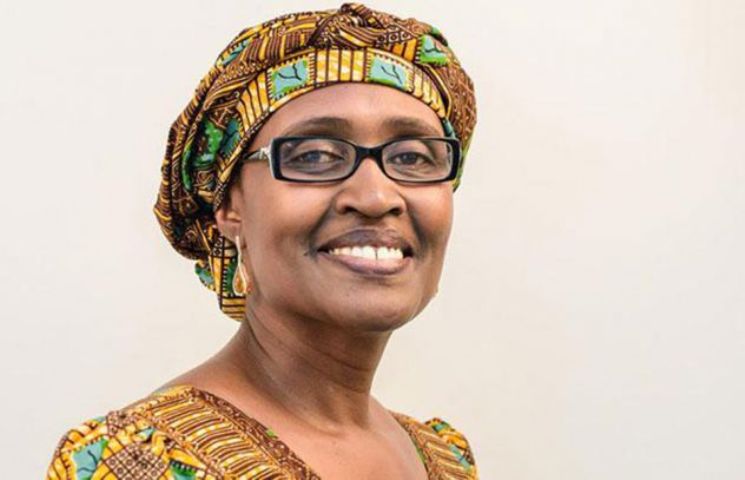
Countries in eastern and southern Africa have played a leading role in this progress. Seven nations in the region achieved the global 95-95-95 targets, which aim to ensure that most people living with HIV know their status, receive treatment and achieve viral suppression. UNAIDS Executive Director Winnie Byanyima described these achievements as proof that sustained investment, strong political leadership and community action can deliver meaningful results.
Millions Still Lack Treatment and Prevention Services
Despite encouraging progress, the report highlights major gaps that continue to threaten global efforts to end AIDS as a public health threat. Around 9.2 million people living with HIV still do not have access to treatment. Approximately 630,000 people died from AIDS-related illnesses in 2024, more than double the global target of 250,000 deaths. An estimated 1.3 million people were newly infected with HIV last year, far exceeding the target of 370,000 new infections.
The report also points to significant regional disparities. While many African countries have made substantial progress, HIV infections have increased sharply in other parts of the world. New infections have risen by 94 percent in the Middle East and North Africa since 2010, while increases have also been recorded in Latin America, eastern Europe and central Asia. Young women and adolescent girls in sub-Saharan Africa remain among the most vulnerable groups. They continue to contract HIV at rates three to four times higher than their male counterparts. Outside sub-Saharan Africa, key populations and their partners account for nearly three-quarters of all new infections.
Funding Crisis Threatens Future Progress
One of the report's strongest warnings concerns the growing funding gap facing HIV programmes around the world. The United Nations estimates that external health financing could decline by as much as 40 percent in the coming years. Community-led programmes and HIV prevention services are expected to face some of the biggest risks. In western and central Africa, external donors currently provide around 90 percent of treatment funding, while prevention programmes across sub-Saharan Africa rely on about 80 percent external support.
UNAIDS warns that without urgent action, years of progress could be reversed. The report identifies several opportunities to accelerate the global response. These include expanding access to long-acting HIV prevention medicines such as injectable treatments, strengthening community-led organisations and increasing domestic investment in HIV programmes.
Ahead of the High-Level Meeting later this month, the Secretary-General has called on governments to adopt ambitious new targets for 2030 and recommit to ending AIDS as a public health threat. Byanyima said success remains within reach, but only if countries demonstrate the political will, financial commitment and global solidarity needed to finish the fight against HIV/AIDS.


 Google News