

Global Diagnostics Coalition urges action as 47% lack access to timely diagnosis
Discussions reflected the summit’s theme of moving from crisis to resilience, with participants examining how recognition of the diagnostic gap could lead to practical action directed by countries and more integrated diagnostic systems.
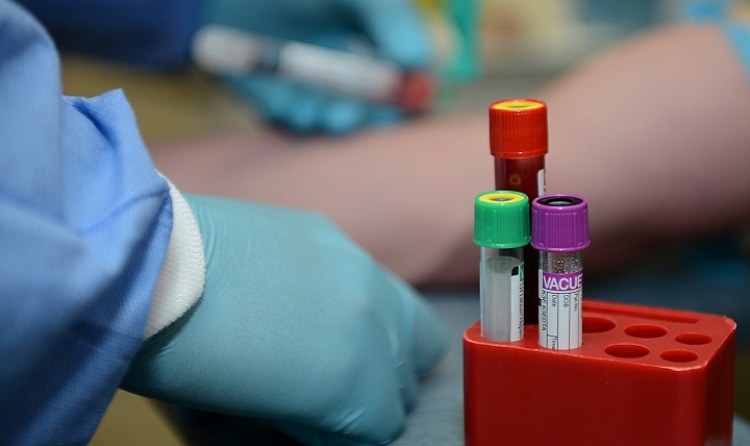
The Global Diagnostics Coalition (GDC) brought together government leaders, health experts, civil society, industry and partner organisations at the World Health Summit 2026 in Berlin to address gaps in diagnostic services that continue to prevent people from receiving timely treatment.
An estimated 47% of the world's population lacks access to a timely, reliable diagnosis, leaving many people without the early detection and effective care that diagnostics make possible, with consequences for universal health coverage, health security and pandemic preparedness.
Opening the event through a video message, WHO Director-General Dr Tedros Adhanom Ghebreyesus stressed that health systems need the capacity to detect and respond to threats before a crisis occurs and meet people's everyday health needs, telling participants: "Without timely and accurate diagnostics, we're flying blind."
Community experience shows the cost of delayed diagnosis
Carol Nawina, Executive Director of CITAMplus, described repeatedly seeking care before receiving diagnoses of HIV, tuberculosis and cancer, showing how delays can mean more visits to health facilities, avoidable expenses, worsening illness and lost opportunities for treatment. She called for diagnostic services to be available closer to communities and organised around people's needs rather than individual diseases, with communities recognised as equal partners in designing services, informing innovation and holding health systems accountable.
"Our experiences are not merely stories to be shared at meetings. They are the evidence that must inform decisions and guide investments," Nawina said, placing lived experience at the centre of discussions about how diagnostic services should develop.
Dr Mohamed Fawzi, Radiology Advisor to Egypt's Minister of Health and Population, shared lessons from the country's expansion of screening, diagnostic imaging and teleradiology, stressing the importance of connecting a diagnosis with treatment and continuing care.
National priorities must guide investment and innovation
Discussions reflected the summit's theme of moving from crisis to resilience, with participants examining how recognition of the diagnostic gap could lead to practical action directed by countries and more integrated diagnostic systems. An expert panel moderated by Dr Ibrahima Socé Fall, CEO of Institut Pasteur de Dakar, brought together representatives of the GDC, FIND, Siemens Healthineers, Christian Blind Mission and the Gates Foundation to examine the changes needed to expand access.
Panel members called for innovation that responds to country needs, greater investment in diagnostics and action to address shortages in trained staff and infrastructure, alongside more effective regulatory pathways and stronger preparedness before emergencies arise. They stressed that better data on the health and economic value of diagnostics could help secure political commitment and funding, giving governments and partners clearer evidence of the benefits of investing in these services.
Clear national diagnostic priorities were identified as essential for directing partners and financing towards country needs and reducing fragmented approaches that organise services around separate diseases.
Coalition outlines progress and calls for shared responsibility
Presenting progress one year after the Coalition's launch, Kylie Shae, WHO Team Lead for Medical Devices and Assistive Technology and Chair of the GDC, highlighted its growing membership and work to share knowledge, strengthen advocacy and coordinate action through three pillars: Illuminate, Champion and Integrate.
Deusdedit Mubangizi, Director of WHO's Department of Medicines and Health Products Policy and Standards, closed the event by urging participants to turn growing attention to diagnostics into practical action, saying: "We should carry forward a shared responsibility to close the diagnostic gap."
The Berlin meeting marked a milestone in the Coalition's engagement with the wider global health community, with its continuing work focused on supporting country leadership, improving coordination among organisations working in diagnostics and expanding equitable access through collaboration.
ALSO READ
-
WHO Launches Traditional Medicine Working Paper Series With Cupping Training Review
-
WHO chief meets ENHYPEN: blood donation campaign inspires fans across the world
-
WHO and ILO Launch Framework to Track Social Protection for People Living with TB
-
WHO Guidance Sets Evidence Standards for the Next Generation of TB Diagnostic Tests
-
UAE Sets Four National Commitments to Advance Evidence-Based Integrative Medicine


 Google News