

TB Treatment Saved 86 Million Lives, but Uneven Progress Leaves Millions at Risk
Global TB deaths have fallen by 35% since 2015, bringing the world to the first mortality milestone of WHO’s End TB Strategy five years behind schedule.
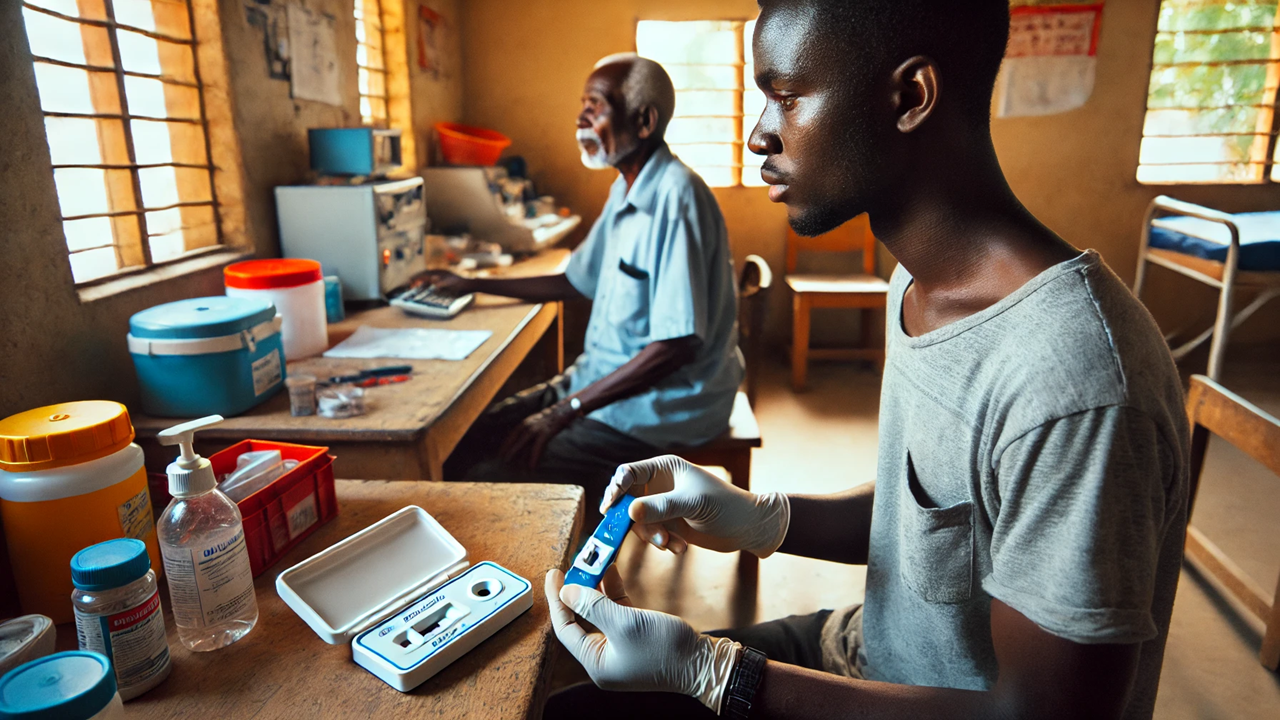
Fewer people are falling ill and dying from tuberculosis, according to the World Health Organization's Global Tuberculosis Report 2026, offering encouragement as countries face growing pressure on health budgets. An estimated 10.6 million people developed TB in 2025, and 1.1 million people died from the disease, showing how much work remains to protect families and communities. TB continues to be the world's leading cause of death from a single infectious agent, despite being preventable and treatable.
Global TB deaths have fallen by 35% since 2015, bringing the world to the first mortality milestone of WHO's End TB Strategy five years behind schedule. Treatment has saved an estimated 86 million lives since 2000, demonstrating the difference that access to effective care can make. The global incidence rate, which measures new cases per 100,000 people, declined by just 14% between 2015 and 2025, falling far short of the 50% reduction milestone set for 2025.
Domestic funding for TB rose by 14% between 2024 and 2025 to reach US$5.6 billion, helping countries sustain services during a global health funding crunch. The increase partly offset a decline of a similar scale in international financing, underscoring the importance of national investment in protecting hard-won gains. WHO Director-General Dr Tedros Adhanom Ghebreyesus welcomed governments' efforts to commit more of their own resources, stressing that more than one million preventable and treatable deaths each year demand urgent expansion of services, protected funding and new tools.
Progress depends heavily on where people live
Thirty countries accounted for 88% of people who developed TB in 2025, concentrating most of the global burden in places where sustained investment and accessible services remain essential. Between 2015 and 2025, incidence fell by 42% in the WHO European Region, 30% in the African Region, 18% in South-East Asia and 6.6% in the Eastern Mediterranean. The Western Pacific recorded no net change, and incidence in the Americas rose for the fifth consecutive year to reach 13% above 2015 levels, with regional differences reflecting TB risk factors, health system strength, access to care and sustained investment.
Millions still miss timely diagnosis and treatment
Of the estimated 10.6 million people who developed TB in 2025, 8.4 million were diagnosed, leaving around 2.2 million people undiagnosed or absent from official reports. Just 59% of newly diagnosed patients received a WHO-recommended rapid diagnostic test, leaving a substantial gap against the target of 100% by 2027. Closing these gaps is central to WHO's call for faster access to diagnosis and effective treatment, giving more people the opportunity to receive timely care.
Drug-resistant TB remains a major public health challenge, with only 42% of the estimated 370,000 people who developed rifampicin-resistant TB in 2025 receiving treatment. Among those treated, use of the WHO-recommended six-month regimen rose from 18% in 2024 to 42% in 2025, marking meaningful progress in access to shorter treatment. The large share of people still missing treatment shows the need to expand services so that improvements reach more patients.
Stronger funding and new tools can accelerate change
TB research received US$1.2 billion in 2023, less than one quarter of the US$5 billion annual funding target for 2027. Greater investment is urgently needed to develop and introduce new vaccines, diagnostic tests and treatments that can help countries prevent illness and deliver effective care. WHO is calling on governments and partners to strengthen political commitment, protect and increase sustainable financing, expand prevention and treatment, and speed up investment in new tools to put the world back on track towards ending the TB epidemic.
ALSO READ
-
Safe Fields, Safer Lives: Pesticide Bans Put Suicide Prevention First in South Asia
-
India makes major strides towards TB elimination; 38 pc decline in TB mortality, 94 pc treatment success rate
-
New Global Mutation Guide Released, WHO Warns Drug-Resistant TB Remains a Threat
-
World Science Day: WHO Unite Global Partners to Strengthen Public Trust in Science
-
Can Cities Become Healthier? WHO Trains Global Experts to Address Urban Health Risks


 Google News