

Second-hand e-cigarettes increasing among young people says, Researchers
A national survey shows one-third of middle & high-school students exposed to second-hand e-cigarettes in the past year
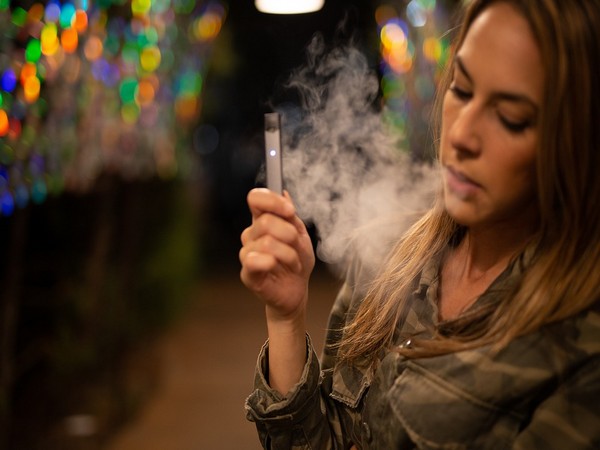
According to data from a national survey, A growing number of middle- and high-school students are being exposed to second-hand aerosols from e-cigarettes by living with or being around individuals who are vaping.
Scientists from Dana-Farber Cancer Institute in a research letter said Such exposure increased rapidly in 2018 compared to the years 2015-2017. The analysis was conducted using data collected by the National Youth Tobacco survey carried out under the auspices of the U.S. Centers for Disease Control and Prevention.
Dana-Farber, the corresponding author of the report said, The survey revealed that about one-third of middle- and high-school students said they were exposed to vaping aerosols in 2018 - an increase by about 30% compared with the previous three years. He called the increase in exposure to vaping aerosols "concerning," given that an array of potentially hazardous chemicals are released by e-cigarettes. Fumes from e-cigarettes contain a variety of chemicals including nicotine, heavy metals, aldehydes, glycerin, and flavoring substances.
Also Read: Teen vaping more likely to use marijuana, says study
The prevalence of exposure to second-hand aerosols from e-cigarettes increased from about one in four students between 2015 and 2017 to one of three students in 2018. The increase is occurring, the report noted, despite 16 states and more than 800 municipalities introducing laws to restrict e-cigarette use in 100% smoke-free or other venues, including schools, in the past few years.
The researchers added that "education about potential second-hand aerosol harms for parents and youth, and interventions to reduce youth vaping are needed to protect young people from being exposed to all forms of tobacco product emissions, including from e-cigarettes."
Also Read: Nicotine-free e-cigarettes may damage blood vessels: Study
Participants in the survey were asked how often they breathed smoke from someone who was smoking tobacco products and/or breathed vapor from someone using an e-cigarette in indoor or outdoor public places in the last 30 days.


 Google News