

Chinese assets in demand, global stocks set to close high in quarter one
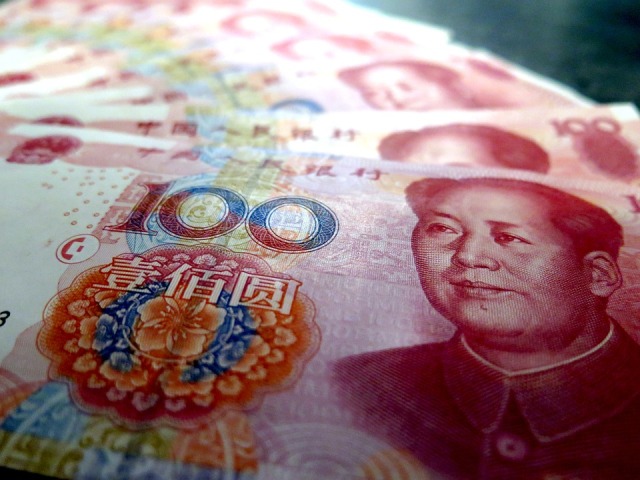
Emerging-market stocks and currencies rose on Friday, aided by increased demand for Chinese assets amid signs of progress at U.S.-China trade talks and a pledge by Beijing to liberalise financial markets. Optimism was underpinned by U.S. officials concluding "constructive" trade talks in Beijing. U.S. Treasury Secretary Steven Mnuchin said he looked forward to continuing talks with Chinese Vice Premier Liu He in Washington next week.
Chinese stocks had their best day in more than a month, gaining at least 3.2 per cent, after Premier Li Keqiang on Thursday pledged China would expand market access for foreign banks and securities and insurance firms. MSCI's index of developing-world stocks was up 0.8 per cent on the day and on course to end the quarter up 9.1 per cent. Shares in export-oriented South Korea and Taiwan rose 0.6 per cent and 1 per cent, respectively.
China's yuan-denominated onshore bonds will be included in the Bloomberg Barclays Global Aggregate Index starting Monday. That supported the yuan on Friday amid expectations of a increased foreign investment. Turkish stocks rose 0.8 per cent, primarily on gains among financials, but the lira dropped 1.1 per cent as lira liquidity returned to the London foreign-exchange market.
The London overnight swap rate for the lira plunged to 25 per cent, down from the 1,200 per cent it reached on Wednesday, Refinitiv Eikon data showed. However, tension between Turkey and the United States grew after U.S. senators introduced a bill on Thursday to prohibit sending F-35 fighter aircraft to Turkey and the Turkish foreign minister said on Friday it would honour a missile system deal with Russia.
A 0.2 per cent rise in the price of oil supported Russian stocks and the rouble, which gained 0.3 per cent each. South African stocks rose 0.7 per cent and the rand gained 0.3 per cent. The currency is poised for a drop, however, with ratings agency Moody's expected to cut the country's sovereign rating outlook to negative later on Friday . The other two big rating agencies, S&P and Fitch, already rate the sovereign "junk".
The South African central bank kept borrowing costs at 6.75 per cent on Thursday, saying risks to its inflation outlook were "more or less evenly balanced".


 Google News