

Science News Roundup: World's earliest fungus; Musk's Starlink internet venture
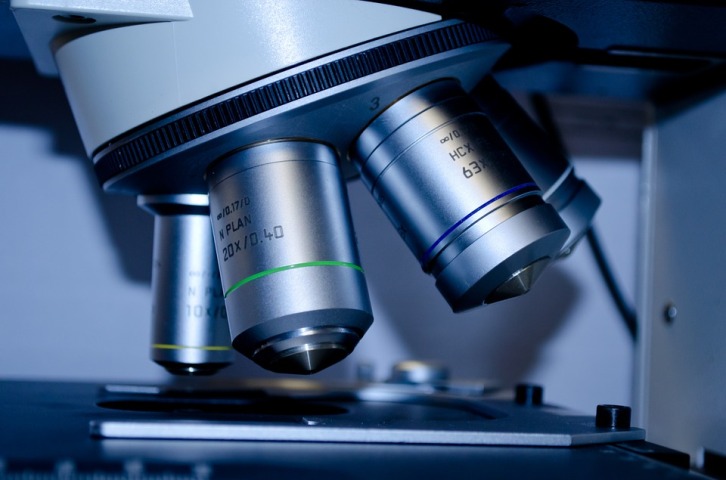
Old mold: Fossil of world's earliest fungus unearthed in Canada
Microfossils of a globular spore connected to a T-shaped filament excavated in an Arctic region of northwestern Canada represent the oldest-known fungus, a discovery that sheds light on the origins of an important branch in Earth's tree of life. Scientists said on Wednesday the multicellular fungus that they named Ourasphaira giraldae - forerunner to an immensely diverse group that today includes the likes of mushrooms, yeasts and molds - lived in an estuary environment about 900 million to 1 billion years ago. Until now, the oldest-known fungus fossil was one about 410 million years old from Scotland.
First satellites for Musk's Starlink internet venture launched into orbit
SpaceX, the private rocket company of high-tech entrepreneur Elon Musk, launched the first batch of 60 small satellites into low-Earth orbit on Thursday for Musk's new Starlink internet service. A Falcon 9 rocket carrying the satellites blasted off from Cape Canaveral Air Force Station at about 10:30 p.m. local time (0230 GMT Friday), clearing a key hurdle for a business venture that Musk hopes will generate much-needed cash for his larger ambitions in space.
NASA chooses technology firm Maxar for lunar platform project
NASA has picked space technology company Maxar Technologies Inc as the first contractor to help build its Gateway platform in lunar orbit, a crucial outpost for America's mission to relay astronauts to the moon in 2024, the U.S. agency said on Thursday. Shares of Westminster, Colorado-based Maxar jumped more than 20% following the announcement by NASA Administrator Jim Bridenstine at a meeting sponsored by a Florida college.
NASA executive quits weeks after appointment to lead 2024 moon landing plan
A top NASA executive hired in April to guide strategy for returning astronauts to the moon by 2024 has resigned, the space agency said on Thursday, the culmination of internal strife and dwindling congressional support for the lunar initiative. Mark Sirangelo, named six weeks ago as special assistant to NASA Administrator Jim Bridenstine, left the agency as NASA abandoned a reorganization plan due to a chilly reception on Capitol Hill, Bridenstine said in a statement.


 Google News