

U.S. Supreme Court leaves in place hold on voting by felons in Florida
The case involves a constitutional challenge by a group of low-income Floridians who had been convicted of felonies to a state law requiring such felons to pay any court costs, fines, fees and restitution to victims before their right to vote could be restored. "This court's order prevents thousands of otherwise eligible voters from participating in Florida's primary election simply because they are poor," Sotomayor wrote in dissent, adding that the court's decision "continues a trend of condoning disfranchisement."
- Country:
- United States
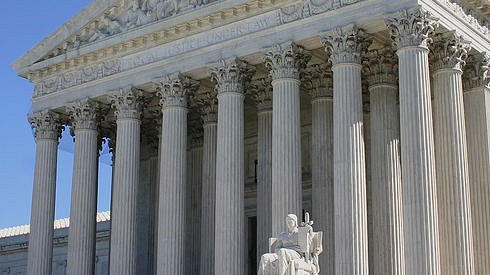
The U.S. Supreme Court on Thursday dealt a setback to convicted felons in Florida who hope to cast votes in the Nov. 3 presidential election, leaving in place a lower court's order that placed their voting rights in limbo. The justices declined to set aside an order by the Atlanta-based 11th U.S. Circuit Court of Appeals that effectively halted the voter registration of former felons in Florida who cannot afford to pay fines or fees mandated by state law.
Liberal Justices Sonia Sotomayor, Ruth Bader Ginsburg and Elena Kagan dissented from the decision. The case involves a constitutional challenge by a group of low-income Floridians who had been convicted of felonies to a state law requiring such felons to pay any court costs, fines, fees and restitution to victims before their right to vote could be restored.
"This court's order prevents thousands of otherwise eligible voters from participating in Florida's primary election simply because they are poor," Sotomayor wrote in dissent, adding that the court's decision "continues a trend of condoning disfranchisement."


 Google News