

UAE is mediating between India and Pakistan, says senior diplomat
Later that year, India's prime minister withdrew Indian-ruled Kashmir's autonomy in order to tighten his grip over the territory, provoking outrage in Pakistan and the downgrading of diplomatic ties and suspension of bilateral trade. Otaiba also said that Pakistan should play a helpful role in Afghanistan, where the United States plans to start withdrawing U.S. troops on May 1 to end America's longest war.
- Country:
- United Arab Emirates
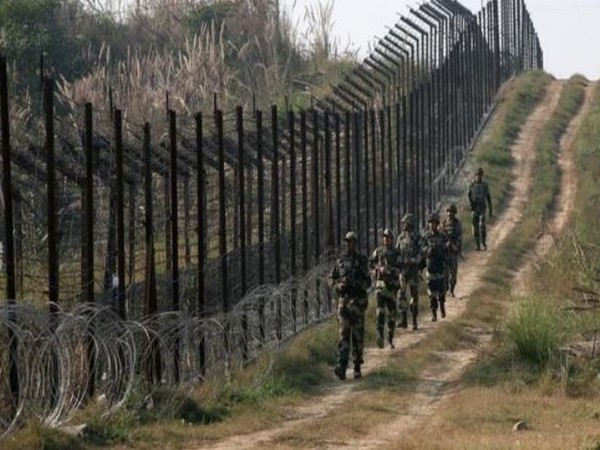
The United Arab Emirates' envoy to Washington confirmed the Gulf state is mediating between India and Pakistan to help the nuclear-armed rivals reach a "healthy and functional" relationship. Top intelligence officers from India and Pakistan held secret talks in Dubai in January in a new effort to calm military tension over the disputed Himalayan region of Kashmir, people with knowledge of the matter had told Reuters.
Ambassador Yousef Al Otaiba said in a virtual discussion with Stanford University's Hoover Institution on Wednesday that the UAE played a role "in bringing Kashmir escalation down and created a ceasefire, hopefully ultimately leading to restoring diplomats and getting the relationship back to a healthy level". "They might not sort of becoming best friends but at least we want to get it to a level where it's functional, where it's operational, where they are speaking to each other," he said.
Ties between India and Pakistan have been frozen since a suicide bombing of an Indian military convoy in Kashmir in 2019 traced to Pakistan-based militants that led to India sending warplanes to Pakistan. Later that year, India's prime minister withdrew Indian-ruled Kashmir's autonomy to tighten his grip over the territory, provoking outrage in Pakistan and the downgrading of diplomatic ties and suspension of bilateral trade.
Otaiba also said that Pakistan should play a helpful role in Afghanistan, where the United States plans to start withdrawing U.S. troops on May 1 to end America's longest war. The Emirati official voiced concern that an abrupt U.S. withdrawal would constitute "reverse progress" by serving the interests of "the more illiberal forces" in Afghanistan.
"The question is if the three parties (the U.S., Taliban, and Afghan government) can reach an agreement that they can all live with," Otaiba said. "It's hard for us to see a way to stabilize Afghanistan without Pakistan playing a helpful role," he added.
Turkey is due to host a peace summit for Afghanistan from April 24 to May 4 meant to jump-start efforts to end the war and sketch out a possible political settlement.
ALSO READ
-
Pakistan Lawyers Rearrested Hours After Bail as UN Experts Demand Immediate Release
-
Japan-Backed ILO Projects Help 23,000 Workers Gain Rights and Fight Child Labour
-
Afghan Lives and Medical Dreams at Risk: UN Urges Pakistan to Halt Forced Returns
-
Screwworm Resurgence Threatens U.S.-Mexico Livestock Trade
-
India Defends Energy Policy Amidst Rising Tariff Threats from U.S.


 Google News