

UNHCR warns of worsening conditions and challenges facing Ukrainian refugees in Europe
The report analyses data from over 18,500 interviews with refugees between October 2022 and September 2023, in Poland, the Republic of Moldova, Romania and Slovakia.
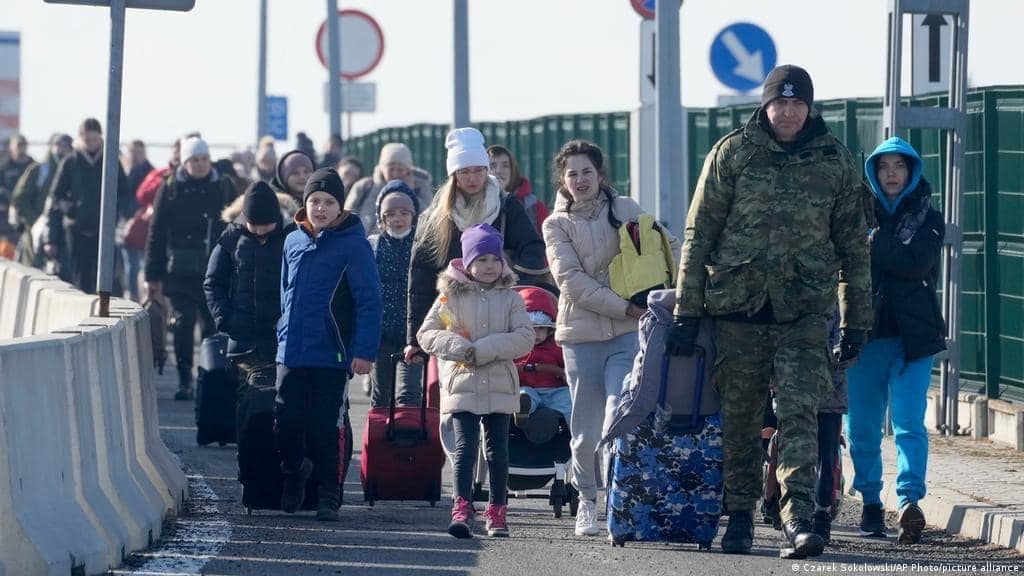
Almost two years following the full-scale invasion of Ukraine, older people, people with disabilities, those with serious medical conditions, and others with specific needs who have fled Ukraine, are facing increasing challenges and hardship, according to the latest report released today by UNHCR, the UN Refugee Agency.
UNHCR's latest regional protection monitoring report, Displacement Patterns, Protection Risks and Needs of Refugees from Ukraine, finds that while notable progress has been observed overall in terms of refugees' access to services and inclusion in national systems in Europe as a result of access to Temporary Protection, the data paints a grim picture for those most vulnerable.
"We are worried that many refugees are falling through the cracks. We welcome the extension of Temporary Protection in the EU until March 2025, but the focus must remain on fully and practically including the most vulnerable in national systems in host countries," said Philippe Leclerc, UNHCR Regional Director for Europe.
Despite continued advocacy for the full inclusion of the most vulnerable in national systems, those with specific needs face increasing obstacles in finding housing, or accessing health care or jobs, with the situation deteriorating over time. In addition, the most vulnerable struggle to obtain or replace identity documentation, primarily biometric passports, in their host countries which can negatively impact access to rights. Worryingly, there are indications that some may be compelled to make premature decisions to return home to Ukraine, where the situation remains volatileLink is external.
The report analyses data from over 18,500 interviews with refugees between October 2022 and September 2023, in Poland, the Republic of Moldova, Romania and Slovakia.
Some key findings in the report include:
Almost a quarter of refugees still lack critical documentation, including biometric passports, in host countries. Though the number has declined to 23 per cent from 30 per cent over the past year, many of those missing out are older people. Numerous factors hinder refugees' access to documentation in host countries, including requirements to present supporting documents (which many may have lost during displacement or left behind in Ukraine), long waiting periods, and associated processing fees.
Access to sustainable and affordable housing remains a challenge, with many free accommodation programmes coming to an end throughout the year and options for free accommodation declining, with the resources of the most vulnerable now depleted. More refugee families with members with disabilities are being forced to resort to collective shelters – increasing to 24 per cent from 13 per cent last year.
Similarly, households including older people or those with disabilities continue to face challenges in accessing employment, often due to caring responsibilities or a lack of adequate services. The share of respondents from households including people with disabilities that were in employment declined drastically, to less than 20 per cent from 38 per cent at the end of 2022.
Nearly two years since the start of Russia's full-scale invasion of Ukraine, more than 6.2 million refugees from Ukraine have been recorded globally, including 5.8 million in Europe.
"As the war continues unabated, we appeal for urgent continued support for refugees and their local host communities. As safety and security concerns continue to prevent many people from returning home to Ukraine, refugees should be supported for as long as they remain displaced. They should not feel pressed to return simply because they cannot sustain themselves and make ends meet while in exile," added Leclerc.
ALSO READ
-
From Safety to Fresh Starts: UN Refugee Chief Calls for Opportunity in Latin America
-
Deepening Funding Cuts Push Nearly 6 Million Refugee Children Out of School
-
Malaysia’s Return of 1,476 People to Myanmar Raises UNHCR Fears Over Their Safety
-
Refugee Protection Nears Breaking Point: UN Funding Cuts Put 8.3 Million Lives at Risk
-
Sudanese Families Flee to Chad as Violence Surges and Refugee Support Falls Behind


 Google News