On Tuesday, July 16th, 2024, the National Development Planning Commission (NDPC) presented a new Long-term National Development Perspective Framework, dubbed VISION 2057, to President Nana Addo Dankwa Akufo-Addo at the Jubilee House in Accra. According to Professor Gyan Baffour, Board Chairman of NDPC, the document outlines a comprehensive vision for the country's development by the time Ghana marks its 100th year of independence.
The Framework envisions Ghana as a prosperous, self-reliant nation committed to environmental sustainability. It is guided by the Black Star Rising: Long-Term National Development Plan, commonly known as the 40-year Plan, which spans from 2018 to 2057. The NDPC asserts that the preparation of this vision document was driven by current development challenges facing Ghana, including the impacts of COVID-19, geopolitical uncertainties, and macro-economic fallout, necessitating more general development of specific policies and programs in medium-term development plans.
VISION 2057 is described as a non-prescriptive, broad-based, aspirational, and all-inclusive development blueprint. It integrates economic, social, and environmental dimensions of development, aiming to create a free, just, prosperous, and self-reliant nation that secures the welfare and happiness of its citizens while playing a leading role in international affairs by 2057.
The vision emphasizes inclusivity, sustainability, and good governance. It foresees a prosperous nation with a strong economy, equitable social development, environmental preservation, and effective governance. The overall goal is to improve the living standards of Ghanaians and attain upper-middle-income country status, recognizing the challenges posed by population dynamics, urbanization, and various risks. It provides strategic direction for resilience and preparedness.
According to the NDPC, the framework's "Drivers of Transformation" encompass economic development, social development, natural and built environment, effective and efficient institutions, and emergency preparedness and resilience. These drivers aim to ensure sustainable macro-economic stability, promote a culture of sustainable social cohesion, ensure peace and security, provide effective and efficient public service and institutional strengthening, enhance human capital development for improved productivity, advance science, technology and innovation, implement effective land reforms, guarantee sustainable infrastructural development, and deliver clean, affordable, and sustainable energy.
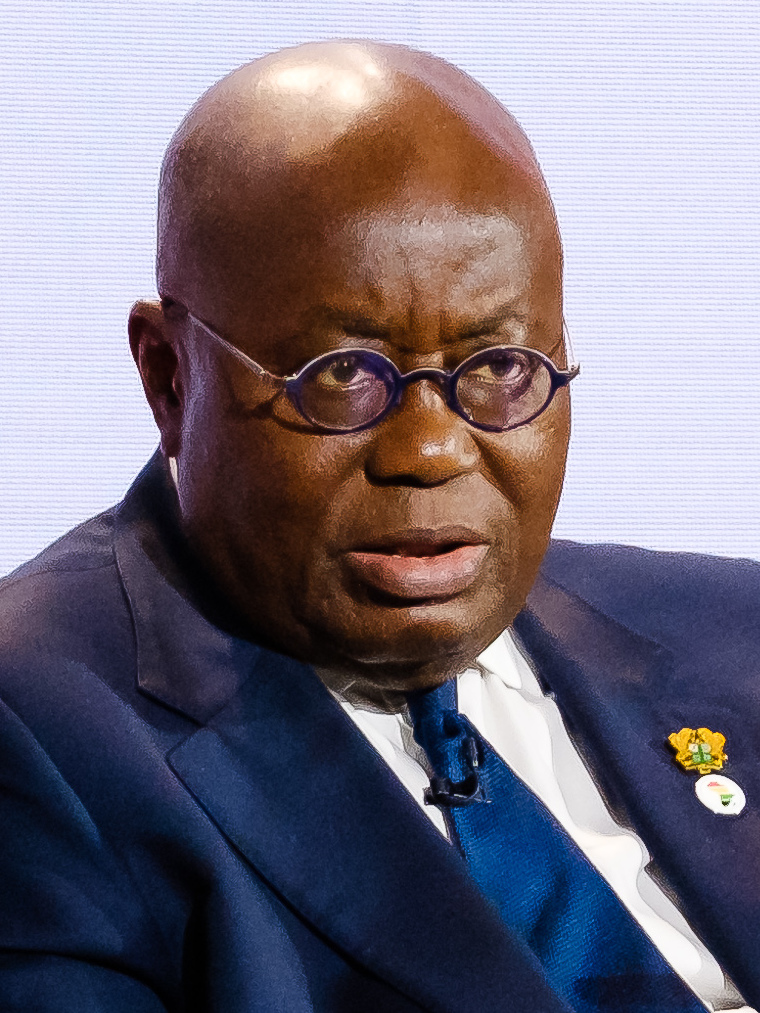
Describing the framework as forward-looking, President Akufo-Addo emphasized the importance of having a plan that accommodates the reality of a multi-party democratic state, allowing different commitments to the seat of government.
President Akufo-Addo stated, "Today we have a framework with certain targets which can guide all of us going forward, and which can guide us in the shaping of our manifesto whilst recognizing the importance of a manifesto in the governance of a nation because that is the contract between the parties and the people of Ghana."
The President further elaborated, "They are the products of social engagements. Not everybody would have thought that this FreeSHS matter was a priority for the country. There are still people who question it. And if they were in office, perhaps that's not what would have been the emphasis, but for me it was a priority and I said so to the people of Ghana before I came here."


 Google News
RSS
Google News
RSS



