

India's New Penal Code Sparks Fears Among Transgender Community
India's recent overhaul of its penal code has eliminated key safeguards against sexual violence for transgender individuals, increasing their risk of assault. Activists are advocating for the restoration of these protections. The new legal framework has left many in the trans community, including Dua Fatema Begum, feeling vulnerable and fearful.
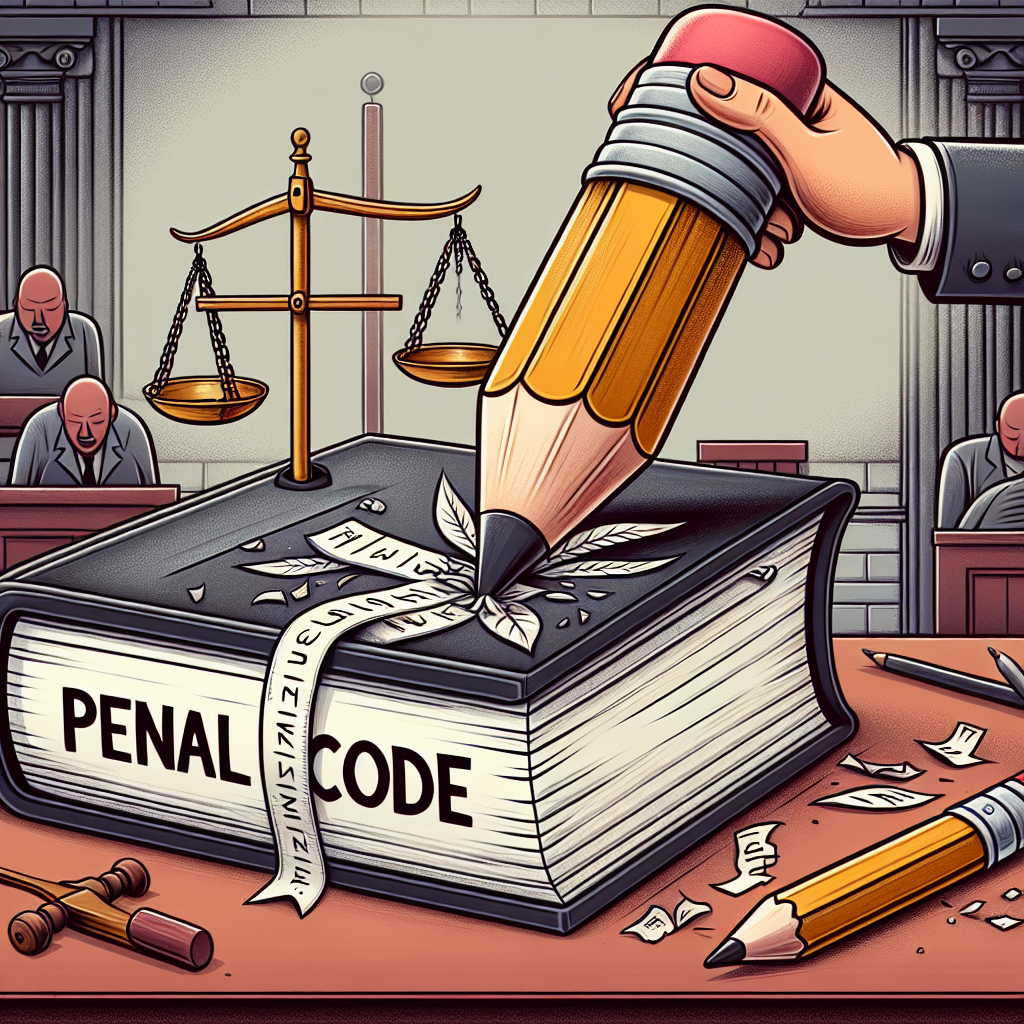
NEW DELHI, Sept 6 (Thomson Reuters Foundation) - An overhaul of India's 160-year-old penal code was intended to eliminate colonial-era homophobia. However, the new code has left transgender individuals at heightened risk of sexual violence, removing crucial legal safeguards that previously protected them.
Dua Fatema Begum, a 29-year-old beautician, expresses her fears. "I now feel like I can be raped any time, and there will be nothing I can do about it," she said, highlighting the lack of laws specifically addressing sexual abuse of trans people.
Activists argue that the change, part of Prime Minister Narendra Modi's administration, undermines years of progress. Without adequate safeguards, transgender people face increased dangers, as evidenced by recent cases in Maharashtra. A petition for restoring protections has gained over 47,000 signatures, urging the government to act swiftly.


 Google News