

Human Rights Council Convenes Special Session on Escalating Crisis in DR Congo
Bintou Keita, Special Representative of the Secretary-General and Chief of MONUSCO, described the conflict’s 30-year history of violence and fear among the population.
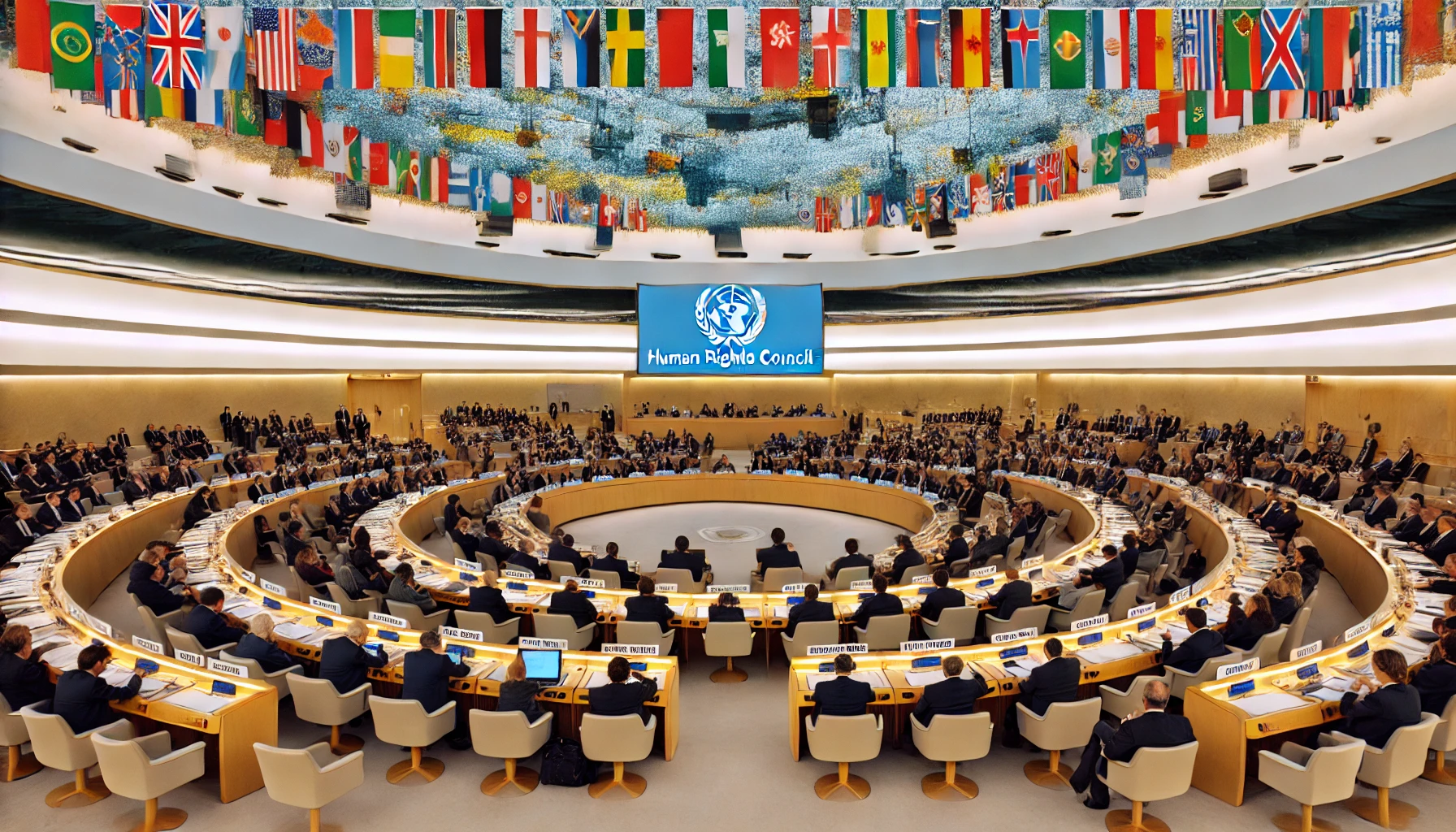
The Human Rights Council has opened its thirty-seventh special session to address the deteriorating human rights situation in the Democratic Republic of the Congo (DRC), focusing particularly on the intensifying violence in the eastern provinces of North and South Kivu.
Volker Türk, United Nations High Commissioner for Human Rights, highlighted the alarming escalation of violence by the M23 armed group, which is reportedly backed by the Rwanda Defence Forces. Since January 26, nearly 3,000 people have been killed and 2,880 wounded. Civilians are increasingly caught in the crossfire, with sexual violence being a persistent and worsening feature of the conflict. Türk called on all parties to lay down arms and resume peace talks through the Luanda and Nairobi processes, emphasizing the urgent need for humanitarian corridors and protection of aid workers.
Calls for Accountability and Justice
Surya Deva, Chair of the Coordination Committee of the Special Procedures, condemned the widespread violence and human rights abuses, calling for an immediate cessation of attacks on civilians and the protection of essential infrastructure. Deva stressed the necessity for unrestricted humanitarian access to affected populations.
Bintou Keita, Special Representative of the Secretary-General and Chief of MONUSCO, described the conflict's 30-year history of violence and fear among the population. She emphasized the need for diplomatic efforts between the DRC and Rwanda to prevent further escalation and called for urgent measures to restore peace and rebuild the region.
Statements from Concerned Nations
Patrick Muyaya Katembwe, DRC's Minister of Communication and Media, thanked the Council for addressing the crisis, attributing the violence to Rwanda's support of the M23 group. He called for an international commission of inquiry to investigate human rights violations and hold perpetrators accountable.
James Ngango, Rwanda's Permanent Representative to the UN in Geneva, argued that the session was premature, advocating for regional initiatives to be given time to succeed. He rejected accusations against Rwanda, claiming they were tactics by the DRC to deflect responsibility for its internal issues.
International Reactions and Support for Investigation
Numerous countries expressed deep concern over the escalating violence and humanitarian crisis. Many speakers supported establishing an independent fact-finding mission to investigate human rights violations and breaches of international humanitarian law. Reports of sexual and gender-based violence, recruitment of child soldiers, and extrajudicial executions were highlighted as particularly troubling.
Countries participating in the discussion included Sweden (on behalf of the Nordic-Baltic countries), the European Union, Morocco, Kenya, France, Germany, China, South Africa, and many others. Human rights organizations such as Human Rights Watch, Amnesty International, and the International Federation for Human Rights also contributed statements, emphasizing the urgent need for accountability and protection of civilians.
Next Steps
The session, called for by the DRC and supported by 27 Council Member States and 21 Observer States, will continue at 3 p.m. on Friday, 7 February. The Council is expected to adopt a resolution addressing the human rights situation in eastern DRC, with recommendations for immediate and long-term actions to mitigate the crisis and support affected populations.
ALSO READ
-
Colombia’s Former Enemies Join Search for Disappeared as UN Praises Victim Justice
-
Ethiopia Fighting Hits Schools and Cuts Lifelines as UN Warns Against Return to War
-
Yemen’s Civilians Face Fresh Horror as Fighting Displaces 125,000 and Kills Children
-
Ukraine War: UN Documents 1,004 Sexual Violence Cases and Calls for Justice
-
Marshall Islands Rights Defenders Seek Justice Across Generations, UN Expert Says


 Google News