

Ethiopia Fighting Hits Schools and Cuts Lifelines as UN Warns Against Return to War
Türk called on all parties to urgently reduce tensions and prevent a return to full-scale war.
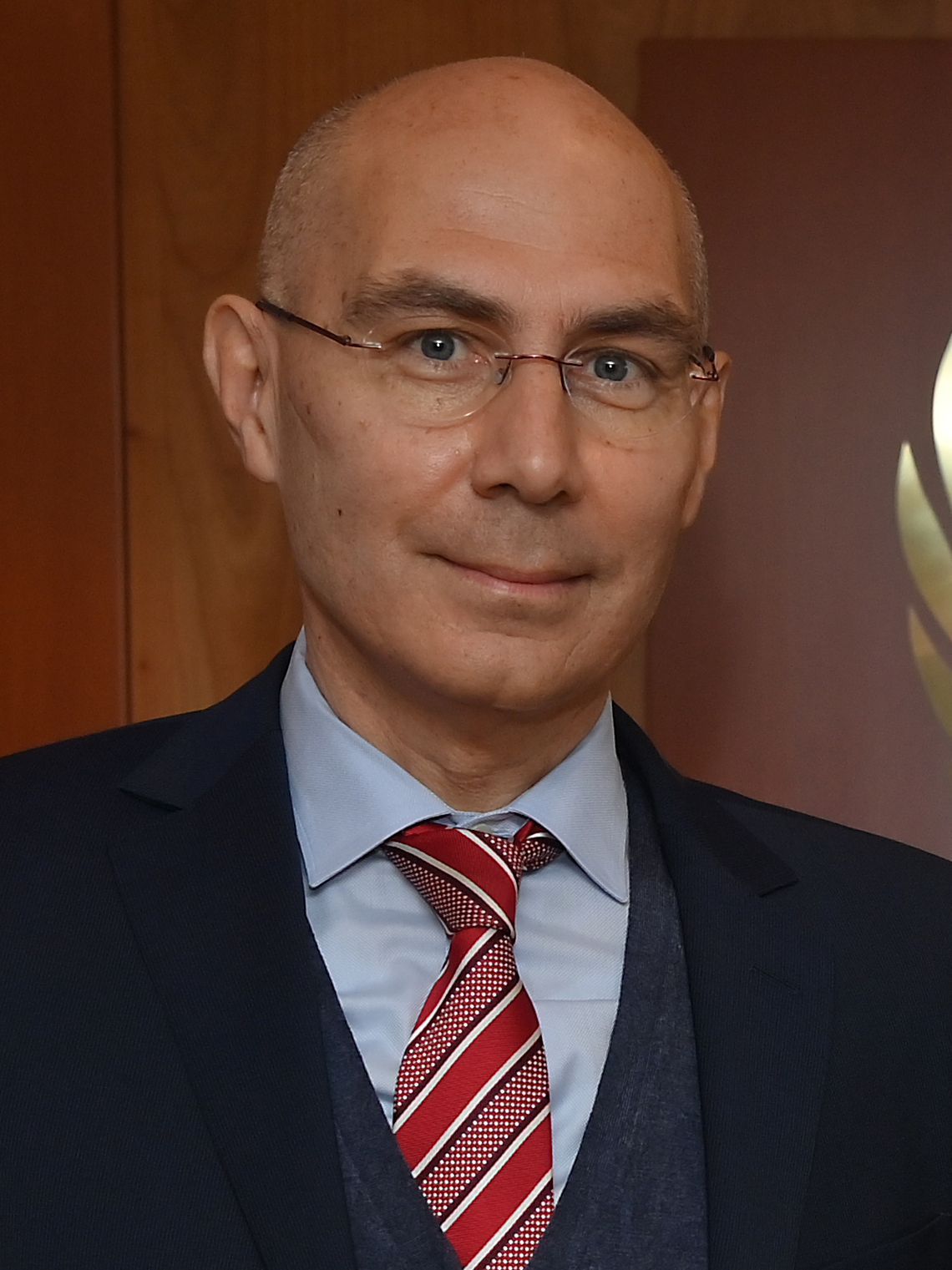
Escalating fighting in Ethiopia is putting civilians at growing risk, with reports of deadly strikes on schools, disrupted communications and forced recruitment involving children prompting alarm from UN Human Rights Chief Volker Türk on Friday. The renewed hostilities between Ethiopian Government forces and the Tigray People's Liberation Front (TPLF) and its allies have affected communities across Tigray, Amhara and Afar, where interruptions to transport and essential communications threaten people's ability to reach safety or receive help. Türk called on all parties to urgently reduce tensions and prevent a return to full-scale war.
Reported strikes on schools deepen fears for civilians
Airstrikes by the Ethiopian National Defence Force (ENDF), including some reportedly carried out using drones, hit five schools in Tigray on 22 September, causing deaths and injuries, according to reports cited by the UN Human Rights Office. A mortar strike in Kobo town in Amhara on 23 September, reportedly carried out by the ENDF, also caused civilian deaths. The statement did not provide casualty figures or identify those killed and injured at the schools, leaving the full human cost of these incidents unclear.
Türk expressed deep concern about the harm the escalation is already causing and urged every party to take the measures needed to protect civilians. His appeal included safe and unimpeded access for humanitarian workers to everyone requiring assistance, a pressing concern as fighting and disruptions to travel make reaching affected communities more difficult. The demand places civilian protection and access to aid at the centre of the response to hostilities that the UN rights chief warned must not develop into another full-scale war.
Communication outages and blocked routes restrict escape
Internet and telecommunications services have reportedly been disrupted or stopped functioning in Mekelle, Tigray's capital, and parts of Amhara, cutting access to communication during an unfolding crisis. Roads have reportedly been blocked in parts of Afar, adding to restrictions on movement across the affected areas. Air travel in Tigray has also been significantly disrupted after Ethiopian Airlines suspended flights to Mekelle, Axum and Shire following the TPLF's takeover of all three airports on 23 September.
For civilians trying to leave dangerous areas, communication failures can make an already difficult journey harder to arrange, especially when transport routes are also affected. Türk warned that internet and telephone interruptions risk limiting people's ability to flee to safety and preventing humanitarian workers from reaching those in need. His concerns underline the connection between functioning communications and civilian protection, with access to information and contact becoming particularly important when communities face fighting, uncertainty and reduced travel options.
Forced recruitment brings threats to civilians and families
Türk condemned an ongoing campaign of forced mass recruitment by the TPLF across Tigray, including the recruitment of children, and incidents of killing, torture, arbitrary detention, forced displacement and other reprisals against people who resist and their relatives. Those targeted include former combatants demobilised in late 2025, drawing people who had left military life back into the pressure surrounding renewed hostilities. The statement also raised disturbing reports of arbitrary conscription by government forces, extending concerns about recruitment practices to both sides.
The UN rights chief urged countries with influence over the parties to act together to help secure an end to hostilities, giving international diplomacy a role in preventing further harm to civilians. He renewed his Office's readiness to support coordinated UN peace efforts in Ethiopia in close cooperation with the African Union. His appeal centres on stopping the fighting, protecting people from attacks and coercion, and keeping humanitarian assistance accessible to communities whose routes to safety are becoming increasingly restricted.


 Google News