

Distressing Images of Released Hostages Highlight Dire Conditions Amid Gaza Ceasefire
Over the weekend, images of Israeli hostages released from Gaza revealed severe signs of malnourishment and ill-treatment, reflecting the dire conditions they endured while in captivity.
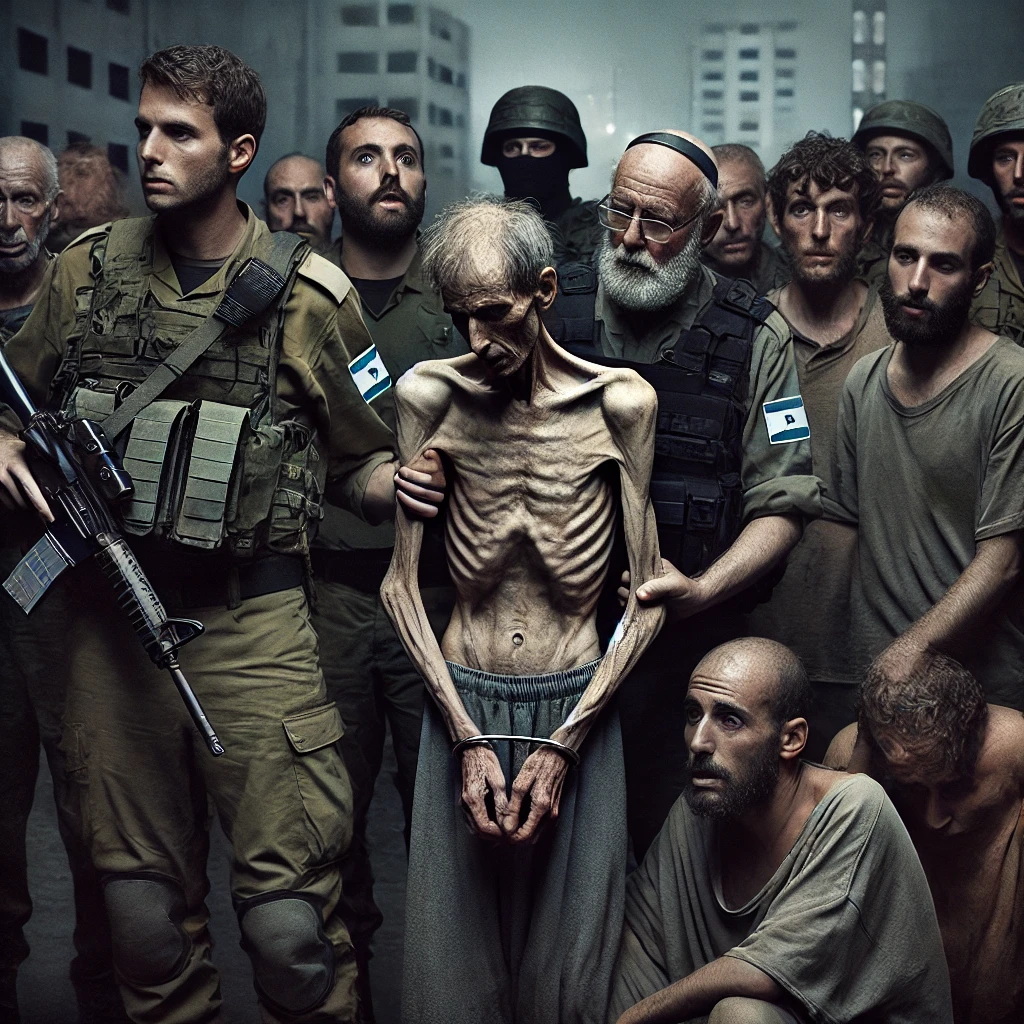
The release of Israeli hostages and Palestinian detainees during the first phase of the Gaza ceasefire agreement has brought deeply troubling images to light, underscoring the urgent need for humane treatment of all individuals in custody.
Over the weekend, images of Israeli hostages released from Gaza revealed severe signs of malnourishment and ill-treatment, reflecting the dire conditions they endured while in captivity. Concerns have also been raised about the public parading of these hostages by Hamas, with some making statements that appeared to be under duress during their release.
Equally alarming are reports from Palestinians released from Israeli detention, who have described harsh treatment and severe conditions during their confinement. The manner in which they were released has also raised significant human rights concerns.
Both Israel and Hamas are obligated under international law to ensure the humane treatment of all individuals in their custody. This includes protection from torture, abuse, and any form of ill-treatment. Torture and other forms of inhumane treatment of protected persons constitute war crimes, and those responsible must face justice with sentences proportionate to the severity of their actions.
The taking of hostages is unequivocally a war crime. Hamas must immediately and unconditionally release all remaining hostages. Simultaneously, Israel must ensure the immediate and unconditional release of all individuals who have been arbitrarily detained.
As the ceasefire agreement progresses, the international community continues to monitor the situation closely, urging both parties to uphold their obligations under international humanitarian law and to prioritize the humane treatment of all individuals affected by this conflict.
ALSO READ
-
Netherlands and WHO Strengthen Health Partnership as Crises Put Care Under Pressure
-
Iran’s Civilians Trapped Between State Repression and Deadly Strikes, UN Warns
-
UN Experts See UK Settlement Curbs as Turning Point, Urge Action Over Occupation
-
US Approves Potential Sale of F-35 Jets to Saudi Arabia, Shifting Middle Eastern Power Dynamics
-
UN Assembly Allows Abbas Virtual Address Amid US Visa Row


 Google News