

UN Decries Mass Sentencing in Tunisia's 'Conspiracy Case,' Urges Judicial Reform
The UN rights chief expressed alarm over the use of vague and overly broad legislation, stating that such charges can be easily manipulated for political ends.
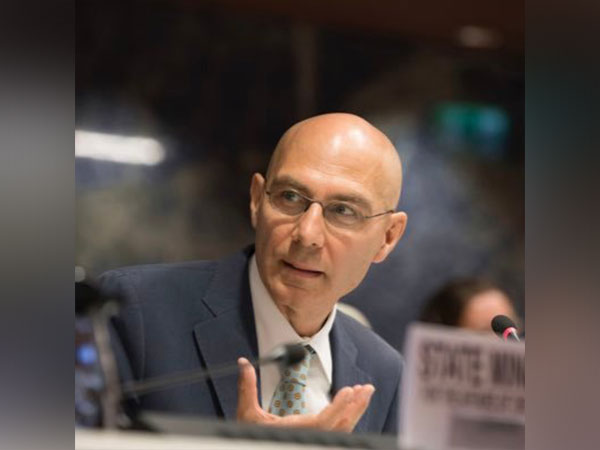
The United Nations has sharply criticized the recent sentencing of 37 individuals in Tunisia, calling the controversial trial a grave setback to justice, due process, and the country's democratic values. The comments were made by UN High Commissioner for Human Rights Volker Türk, who issued a stern warning on Thursday about the troubling patterns of political persecution and misuse of counterterrorism laws to stifle dissent in the North African nation.
Harsh Sentences and Controversial Charges
The trial, widely known as the "conspiracy case," concluded with prison sentences ranging from 4 to 66 years for the 37 defendants—many of whom are respected public figures, political leaders, and members of Tunisia's civil society. They were prosecuted under Tunisia's Counterterrorism Law and Criminal Code, with broadly defined charges including:
-
Formation of a terrorist organization
-
Intention to commit terrorist acts
-
Terrorism financing
-
Conspiracy against national security (internal and external)
The UN rights chief expressed alarm over the use of vague and overly broad legislation, stating that such charges can be easily manipulated for political ends.
Violation of Due Process and Fair Trial Rights
Volker Türk emphasized that the trial proceedings were deeply flawed and failed to meet international standards for justice. Among the key concerns were:
-
Prolonged Pretrial Detention: At least eight defendants were held in pretrial detention for over 14 months, in direct violation of Tunisia's Code of Criminal Procedure.
-
Restricted Legal Access: Detainees faced limited access to their lawyers, and some were reportedly only permitted to attend hearings remotely—based on outdated emergency legislation introduced during the COVID-19 pandemic, which was never formally approved by Parliament.
-
Lack of Transparency: The trials were closed to the public. Journalists, civil society observers, and foreign diplomats were barred from attending court sessions.
-
Denial of Defense Rights: Defendants were not allowed to speak in court, and their legal representatives were not given adequate time to present their defense or question evidence.
"These proceedings were marred by violations of fair trial and due process rights, raising serious concerns about political motivations," Türk stated.
Political Activity Mischaracterized as Terrorism
One of the most contentious aspects of the case was the prosecution's use of ordinary political activity as supposed evidence of terrorism. According to defense attorneys, the charges rested largely on the accused having participated in political opposition meetings and engaged in discussions with foreign diplomats.
Türk emphasized that participation in public and political life is not a criminal offense, asserting that "engagement in civic and political discourse must never be conflated with terrorism."
Targeting Legal Professionals
In a particularly troubling development, one of the defense lawyers, Ahmed Souab, was arrested and charged with terrorism-related offenses over remarks he allegedly made after the verdict. The High Commissioner expressed deep concern about the chilling effect such actions could have on the legal community and the broader right to legal representation.
"This development raises additional concerns regarding the ability of lawyers to represent clients and the safety of legal professionals," he said.
UN Calls for Immediate Action and Legal Reforms
Türk urged Tunisian authorities to uphold the fundamental rights of all defendants, especially as the case proceeds to appeals. He called for:
-
Immediate and unconditional release of all individuals arbitrarily detained
-
Adherence to the principle of pretrial detention as a last resort
-
A comprehensive review of national security and counterterrorism legislation to ensure alignment with international human rights norms
"Charges must be dropped where there is no sufficient evidence of illegal acts committed," Türk insisted.
He also reiterated his call to end the broader campaign of political arrests, suppression of freedom of expression, and judicial overreach targeting human rights defenders, lawyers, journalists, and opposition figures.
A Fading Democratic Legacy
Once hailed as a beacon of hope in the region after its 2011 revolution, Tunisia's recent trajectory has drawn concern from international observers. The High Commissioner lamented that the country is moving away from the democratic principles that once inspired the Arab world.
"Tunisia was a role model and a source of inspiration for many nations in the region after the 2011 political transition, and it's my hope that the country returns to the path of democracy, rule of law and human rights," said Türk.


 Google News